Genre
indonesian indie rock
Top Indonesian indie rock Artists
Showing 25 of 52 artists









About Indonesian indie rock
Indonesian indie rock is a vibrant strand of Southeast Asian indie music that travels a wide spectrum, from jangly, sunlit indie pop to muscular, guitar-forward rock. Born from Indonesia’s late-1990s DIY culture and the global rise of independent labels and home-grown studios, the scene matured in the early 2000s as bands in Bandung and Jakarta began releasing music outside mainstream channels. What distinguishes Indonesian indie rock is its willingness to blend Western indie sensibilities—hooky riffs, restless tempo shifts, lo-fi textures—with Indonesian storytelling, language, and melodic instincts. The result is a sound that can feel intimate and warmly human, even when it rocks hard or grows ambitious in arrangement.
Early ambassadors and a new generation
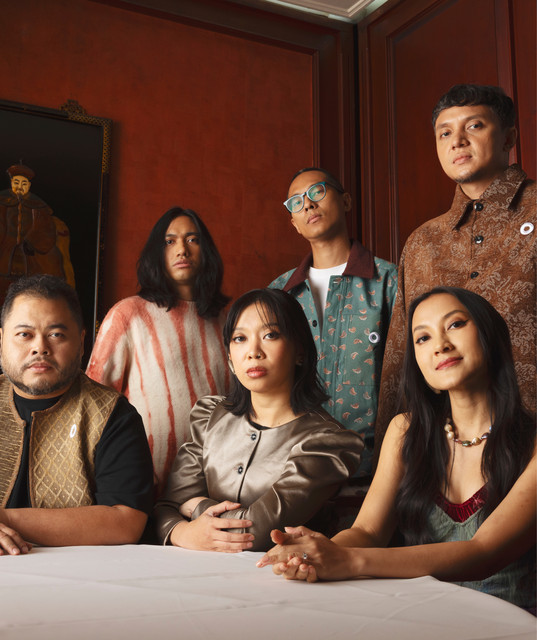
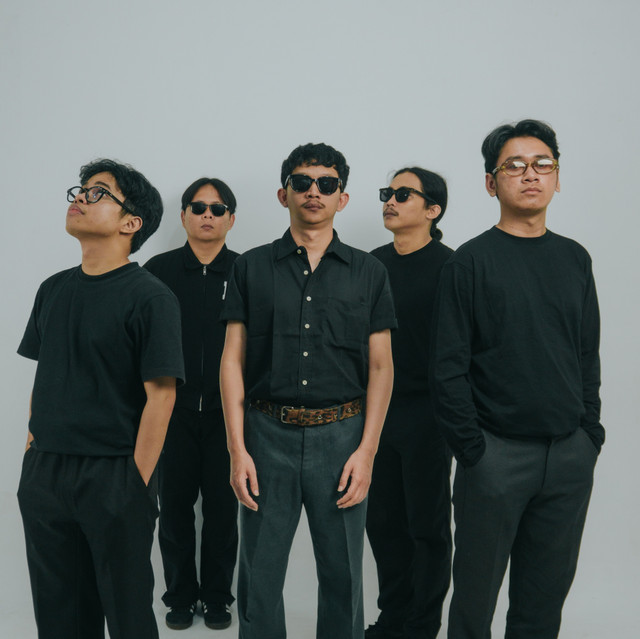
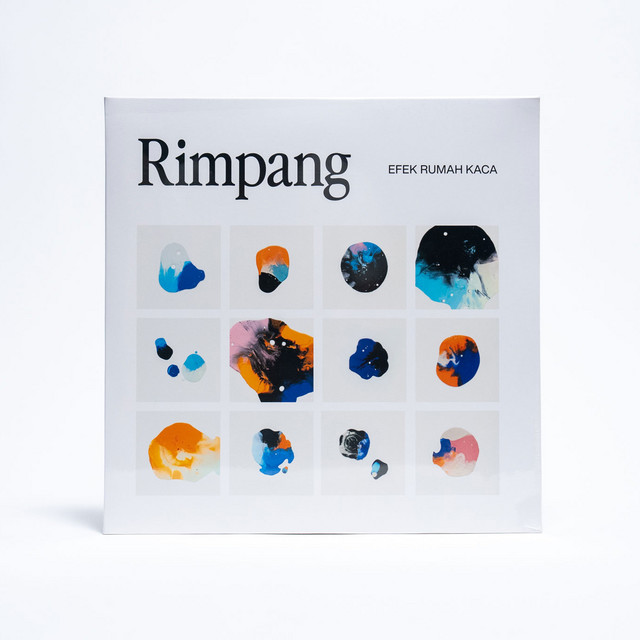
Among the acts most often cited as pioneers are Mocca, a Bandung-born outfit that fused retro pop with indie sensibilities and attracted listeners across Southeast Asia. White Shoes & The Couple Company, from Jakarta, crafted melodic, vintage-toned songs that helped define a more polished strand of the scene. Efek Rumah Kaca, formed in Jakarta in the late 2000s, stood out for its incisive, politically engaged lyrics and a fearless DIY ethic. The S.I.G.I.T., another Bandung-born group, delivered garage-rock energy with a distinctly Indonesian voice. Barasuara, formed in Jakarta in the 2010s, pushed toward muscular, emotionally direct guitar music with anthemic hooks. Payung Teduh, with intimate acoustic arrangements and poetic storytelling, bridged indie rock with folk textures and intimate pop. Together these artists helped establish a repertoire and a serious listening audience for Indonesian indie rock beyond casual fandom.
Scenes, venues, and audiences
Today the core audience remains in Indonesia, where urban centers host intimate gigs in clubs, living rooms, and coffeehouses. Bandung’s student-centered scene and Jakarta’s larger venues provide the engine, while Surabaya, Yogyakarta, and Semarang contribute growing pockets of activity. Internationally, Indonesian indie rock has found niche fans in Malaysia and Singapore and has occasionally crossed oceans through indie-label releases, festival appearances, and touring. Online platforms—Bandcamp, streaming services, and social media—have allowed listeners around the world to discover bands on their own terms, helping a global micro-community form around the music.
What to listen for
Musically, Indonesian indie rock often favors tight guitar work, bright melodies, and flexible arrangements that can shift from wistful to urgent. Lyrics may switch between Indonesian and English, or lean toward intimate storytelling in the local language. Production ranges from lo-fi charm to more polished textures, sometimes incorporating folk, jazz, or dream-pop touches. The overarching mood is one of sincerity and craft: music made with a sense of independence, curiosity, and a willingness to experiment.
If you’re exploring indie rock beyond the Western canon, Indonesian bands offer a warm, melodic vitality that rewards repeat listening. Start with these artists to dip into the scene: Mocca, White Shoes & The Couple Company, Efek Rumah Kaca, Payung Teduh, Barasuara, The S.I.G.I.T. Each represents a different facet of the Indonesian indie rock story.
Early ambassadors and a new generation
Among the acts most often cited as pioneers are Mocca, a Bandung-born outfit that fused retro pop with indie sensibilities and attracted listeners across Southeast Asia. White Shoes & The Couple Company, from Jakarta, crafted melodic, vintage-toned songs that helped define a more polished strand of the scene. Efek Rumah Kaca, formed in Jakarta in the late 2000s, stood out for its incisive, politically engaged lyrics and a fearless DIY ethic. The S.I.G.I.T., another Bandung-born group, delivered garage-rock energy with a distinctly Indonesian voice. Barasuara, formed in Jakarta in the 2010s, pushed toward muscular, emotionally direct guitar music with anthemic hooks. Payung Teduh, with intimate acoustic arrangements and poetic storytelling, bridged indie rock with folk textures and intimate pop. Together these artists helped establish a repertoire and a serious listening audience for Indonesian indie rock beyond casual fandom.
Scenes, venues, and audiences
Today the core audience remains in Indonesia, where urban centers host intimate gigs in clubs, living rooms, and coffeehouses. Bandung’s student-centered scene and Jakarta’s larger venues provide the engine, while Surabaya, Yogyakarta, and Semarang contribute growing pockets of activity. Internationally, Indonesian indie rock has found niche fans in Malaysia and Singapore and has occasionally crossed oceans through indie-label releases, festival appearances, and touring. Online platforms—Bandcamp, streaming services, and social media—have allowed listeners around the world to discover bands on their own terms, helping a global micro-community form around the music.
What to listen for
Musically, Indonesian indie rock often favors tight guitar work, bright melodies, and flexible arrangements that can shift from wistful to urgent. Lyrics may switch between Indonesian and English, or lean toward intimate storytelling in the local language. Production ranges from lo-fi charm to more polished textures, sometimes incorporating folk, jazz, or dream-pop touches. The overarching mood is one of sincerity and craft: music made with a sense of independence, curiosity, and a willingness to experiment.
If you’re exploring indie rock beyond the Western canon, Indonesian bands offer a warm, melodic vitality that rewards repeat listening. Start with these artists to dip into the scene: Mocca, White Shoes & The Couple Company, Efek Rumah Kaca, Payung Teduh, Barasuara, The S.I.G.I.T. Each represents a different facet of the Indonesian indie rock story.