Genre
scottish hush
Top Scottish hush Artists
Showing 25 of 28 artists













About Scottish hush
Scottish hush is best described as an intimate vein of Scottish music that prioritizes quiet detail over loud rhetoric. It's not a single style with a codified history, but a through-line critics and listeners recognize in a crop of records where the voice is a whisper and the arrangement is pared to the bone. The term gained traction in the 2010s as Scotland’s bedroom scenes began sheltering artists who mixed folk memory, ambient textures, and a loyalty to place. It remains an evolving label, more mood than manifesto.
Vocals sit at the edge of breath, consonants softened into hush, while guitars, pianos, and field recordings unfold with careful restraint. Drums are thin or absent, allowing reverberation and silence to carry emotion. The aesthetic often pairs Scottish melodic shapes—minor modes, modal turns, and lilting Gaelic inflections—with modern textures: ambients, tape hiss, subtle synth pads, and warm, imperfect strings.
Origins drift through Scotland’s cities and islands, from Glasgow’s late-night basements to Edinburgh’s quiet art spaces, where folk songs were retooled with electronics and the echo of cliffs. Critics often trace the mood to a generation who grew up with Steve Reich and the Glasgow School of Art’s post-industrial textures, then found kinship with traditional tunes performed with restraint. The 2010s saw bands and solo acts releasing on small labels and Bandcamp, in rooms where the sound system barely kissed the wind outside.
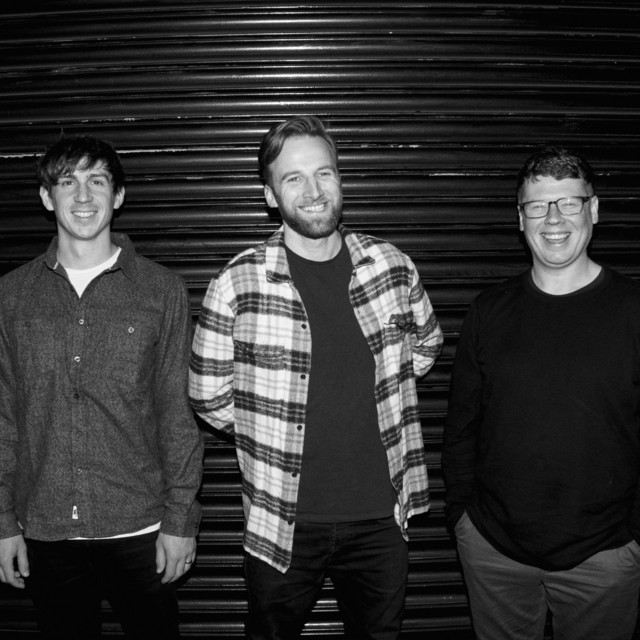
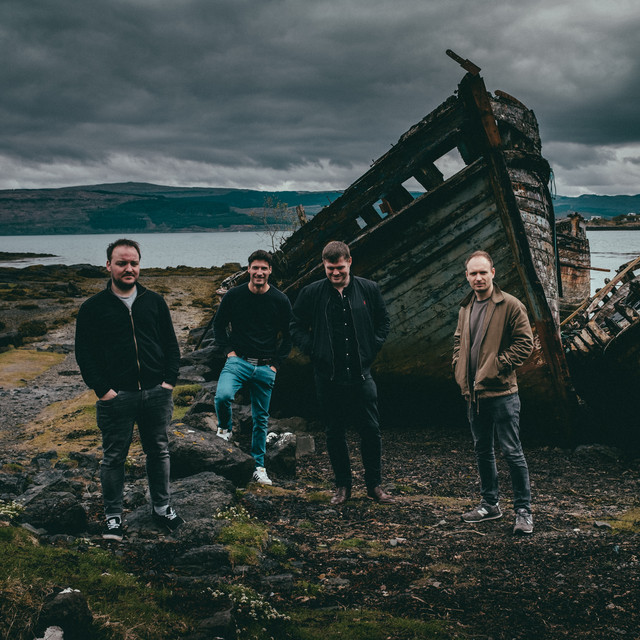
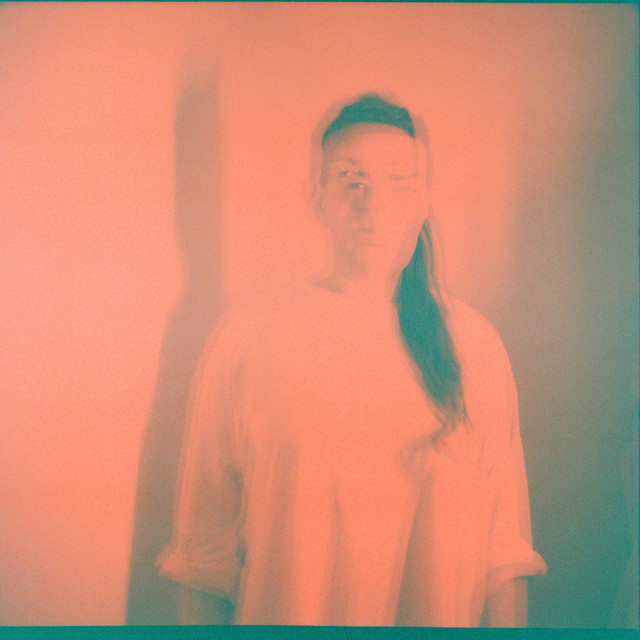
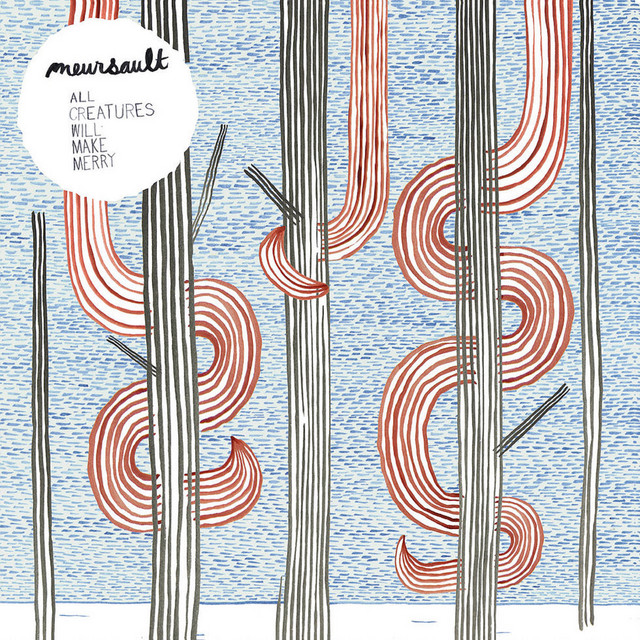
Among the practitioners most often cited as ambassadors are acts who quietly shaped the tone rather than shouting for attention: C Duncan, with piano-led lullabies built from late-night takes and warm, home-recorded textures; Meursault, whose acoustic guitars, whispered vocals, and patient storytelling feel like a campfire kept at a bare ember; and Adam Stafford, whose work threads field recordings, guitars, and spectral electronics into meditative landscapes. These artists, and a handful of peers, are frequently named in festival lineups and critics’ roundups as touchpoints for the scene.
While the strongest concentration remains in Scotland, the mood has traveled to Ireland, parts of Northern Europe, and among global indie audiences online. Fans in the UK seek intimate listening in small venues, living rooms, and club nights that celebrate quiet listening. In Scandinavia and Germany, enthusiasts of atmospheric folk and ambient pop have found common ground with the hush ethos, trading playlists. Its international footprint is modest, but the connection—between a shared sense of place and a preference for restraint—has proven contagious.
Enthusiasts lean toward listening with headphones, letting the space between notes become a character. Producers emphasize transparency: light compression, no heavy mastering, and a preference for vintage mics and analog warmth to preserve the sense of immediacy. For newcomers, compilations and labels that celebrate intimate Scottish music, like indie labels in Glasgow’s micro-scene, offer a curated entry point. Explore Bandcamp pages of early figures, then drift toward newer voices fusing Gaelic fragments with minimalist electronics.
Scottish hush remains a living idea more than a fixed blueprint, inviting listeners to slow down and listen for the weather today in the room.
Vocals sit at the edge of breath, consonants softened into hush, while guitars, pianos, and field recordings unfold with careful restraint. Drums are thin or absent, allowing reverberation and silence to carry emotion. The aesthetic often pairs Scottish melodic shapes—minor modes, modal turns, and lilting Gaelic inflections—with modern textures: ambients, tape hiss, subtle synth pads, and warm, imperfect strings.
Origins drift through Scotland’s cities and islands, from Glasgow’s late-night basements to Edinburgh’s quiet art spaces, where folk songs were retooled with electronics and the echo of cliffs. Critics often trace the mood to a generation who grew up with Steve Reich and the Glasgow School of Art’s post-industrial textures, then found kinship with traditional tunes performed with restraint. The 2010s saw bands and solo acts releasing on small labels and Bandcamp, in rooms where the sound system barely kissed the wind outside.
Among the practitioners most often cited as ambassadors are acts who quietly shaped the tone rather than shouting for attention: C Duncan, with piano-led lullabies built from late-night takes and warm, home-recorded textures; Meursault, whose acoustic guitars, whispered vocals, and patient storytelling feel like a campfire kept at a bare ember; and Adam Stafford, whose work threads field recordings, guitars, and spectral electronics into meditative landscapes. These artists, and a handful of peers, are frequently named in festival lineups and critics’ roundups as touchpoints for the scene.
While the strongest concentration remains in Scotland, the mood has traveled to Ireland, parts of Northern Europe, and among global indie audiences online. Fans in the UK seek intimate listening in small venues, living rooms, and club nights that celebrate quiet listening. In Scandinavia and Germany, enthusiasts of atmospheric folk and ambient pop have found common ground with the hush ethos, trading playlists. Its international footprint is modest, but the connection—between a shared sense of place and a preference for restraint—has proven contagious.
Enthusiasts lean toward listening with headphones, letting the space between notes become a character. Producers emphasize transparency: light compression, no heavy mastering, and a preference for vintage mics and analog warmth to preserve the sense of immediacy. For newcomers, compilations and labels that celebrate intimate Scottish music, like indie labels in Glasgow’s micro-scene, offer a curated entry point. Explore Bandcamp pages of early figures, then drift toward newer voices fusing Gaelic fragments with minimalist electronics.
Scottish hush remains a living idea more than a fixed blueprint, inviting listeners to slow down and listen for the weather today in the room.