Genre
k-pop
Top K-pop Artists
Showing 25 of 562 artists

















About K-pop
K-pop, short for Korean pop, is a globally interconnected music phenomenon that blends high-energy pop with hip-hop, EDM, R&B, and even rock, all delivered through meticulously choreographed performances and glossy, narrative-driven music videos. What sets it apart is not just the songs, but the entire ecosystem around them: year-round training systems, large-scale group dynamics, and an intense, worldwide fan culture that participates through social media, streaming, fan events, and choreography sharing. The genre is as much about visual storytelling and performance as it is about the audio.
The modern form of K-pop began to take shape in the 1990s in South Korea. While pop music had long existed there, a new wave was launched by artists who fused Western styles with Korean lyrics and production sensibilities. Seo Taiji and Boys, who released their debut in 1992, are frequently cited as a turning point for popular music in Korea, breaking genre boundaries and inspiring future generations. In the late 1990s and early 2000s, entertainment companies such as SM Entertainment, YG Entertainment, and JYP Entertainment perfected the so-called idol system: aspiring performers train for years in singing, dancing, language, and media skills before debuting in tightly choreographed groups. The result was a formula—colorful visuals, synchronized dance, catchy hooks, and highly polished music videos—that would become the template for K-pop’s global appeal.
Beyond catchy tunes, K-pop thrives on collaboration and spectacle. Many songs are built with international writers and producers, and complex choreographies are designed for viral moments. The genre is also highly genre-fluid, regularly absorbing elements from hip-hop, EDM, trap, pop-rock, and even tropical house, all while maintaining a distinct Korean sensibility and a pristine, worldwide-friendly production style. The production value is paired with a sophisticated fan culture: fan clubs, “fancams,” light sticks, and multilingual fan chants create a participatory experience that extends well beyond the concert hall.
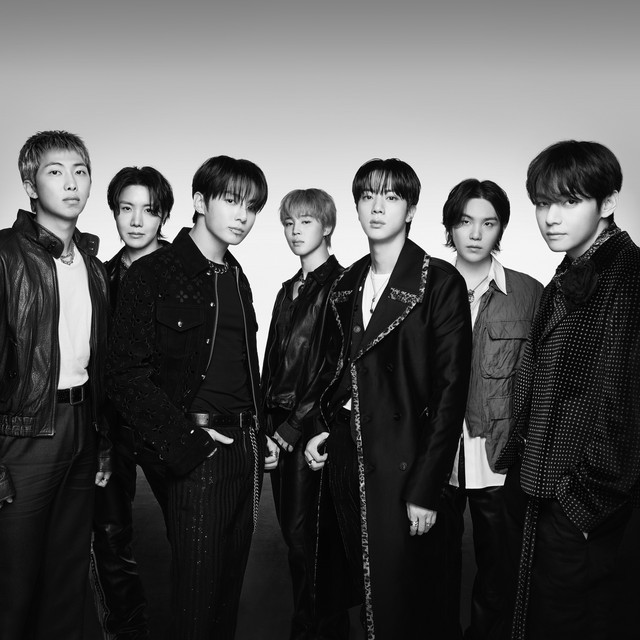
Key artists and ambassadors have helped push K-pop onto global stages. BTS, who emerged in the early 2010s, became one of the most influential acts in world music, delivering message-driven performances and serving as global cultural ambassadors (including ambassadorial work with UNICEF and other brands). Blackpink, debuting in 2016, brought a strong international presence with razor-sharp visuals and cross-genre versatility, expanding K-pop’s reach into North America and Europe. Earlier torchbearers like BoA and Rain laid the groundwork by achieving major success outside Korea, while Psy’s Gangnam Style (2012) became a viral gateway for millions to discover K-pop, illustrating the genre’s potential for global reach.
K-pop shines in many markets. It is deeply rooted in Korea, but its popularity spans East Asia, Southeast Asia, and beyond. Japan has long been a major market and a testing ground for acts; the United States and Europe developed strong, lasting fan bases through streaming, social media, and international tours. Latin America, the Middle East, and Africa also host passionate communities, often organized around specific groups or songs that resonate locally. In short, K-pop is a generation-spanning, cross-border music phenomenon—an industry built on training, collaboration, and global fandom that continues to redefine what pop music can be.
The modern form of K-pop began to take shape in the 1990s in South Korea. While pop music had long existed there, a new wave was launched by artists who fused Western styles with Korean lyrics and production sensibilities. Seo Taiji and Boys, who released their debut in 1992, are frequently cited as a turning point for popular music in Korea, breaking genre boundaries and inspiring future generations. In the late 1990s and early 2000s, entertainment companies such as SM Entertainment, YG Entertainment, and JYP Entertainment perfected the so-called idol system: aspiring performers train for years in singing, dancing, language, and media skills before debuting in tightly choreographed groups. The result was a formula—colorful visuals, synchronized dance, catchy hooks, and highly polished music videos—that would become the template for K-pop’s global appeal.
Beyond catchy tunes, K-pop thrives on collaboration and spectacle. Many songs are built with international writers and producers, and complex choreographies are designed for viral moments. The genre is also highly genre-fluid, regularly absorbing elements from hip-hop, EDM, trap, pop-rock, and even tropical house, all while maintaining a distinct Korean sensibility and a pristine, worldwide-friendly production style. The production value is paired with a sophisticated fan culture: fan clubs, “fancams,” light sticks, and multilingual fan chants create a participatory experience that extends well beyond the concert hall.
Key artists and ambassadors have helped push K-pop onto global stages. BTS, who emerged in the early 2010s, became one of the most influential acts in world music, delivering message-driven performances and serving as global cultural ambassadors (including ambassadorial work with UNICEF and other brands). Blackpink, debuting in 2016, brought a strong international presence with razor-sharp visuals and cross-genre versatility, expanding K-pop’s reach into North America and Europe. Earlier torchbearers like BoA and Rain laid the groundwork by achieving major success outside Korea, while Psy’s Gangnam Style (2012) became a viral gateway for millions to discover K-pop, illustrating the genre’s potential for global reach.
K-pop shines in many markets. It is deeply rooted in Korea, but its popularity spans East Asia, Southeast Asia, and beyond. Japan has long been a major market and a testing ground for acts; the United States and Europe developed strong, lasting fan bases through streaming, social media, and international tours. Latin America, the Middle East, and Africa also host passionate communities, often organized around specific groups or songs that resonate locally. In short, K-pop is a generation-spanning, cross-border music phenomenon—an industry built on training, collaboration, and global fandom that continues to redefine what pop music can be.