Genre
progressive metal
Top Progressive metal Artists
Showing 25 of 2,970 artists


About Progressive metal
Progressive metal is a fusion of the muscular energy of heavy metal with the intricate structure and lyrical ambition of progressivism. It favors longer, multi-part compositions, unusual time signatures, technically virtuoso playing, and a willingness to experiment with atmosphere, mood, and orchestration. The result is music that can swing from brutal, riff-driven passages to delicate, almost symphonic passages in the same piece, often within a single album.
The genre’s birth is usually placed in the late 1980s and early 1990s, primarily in the United States, as metal bands began to borrow the expansive, concept-driven approach of 1970s progressive rock. A few landmark markers illustrate the moment: Queensrÿche’s Operation: Mindcrime (1988) helped prove that metal could carry ambitious storytelling; Fates Warning released tightly composed, exploratory material around the same time; and Dream Theater, originally formed as Majesty, released Images and Words in 1992, a record widely regarded as a watershed that defined the modern progressive metal sound with its flawless technicalities and memorable melodies. The U.S. scene quickly became the genre’s powerhouse, even as Europe contributed its own lineage and strengths.
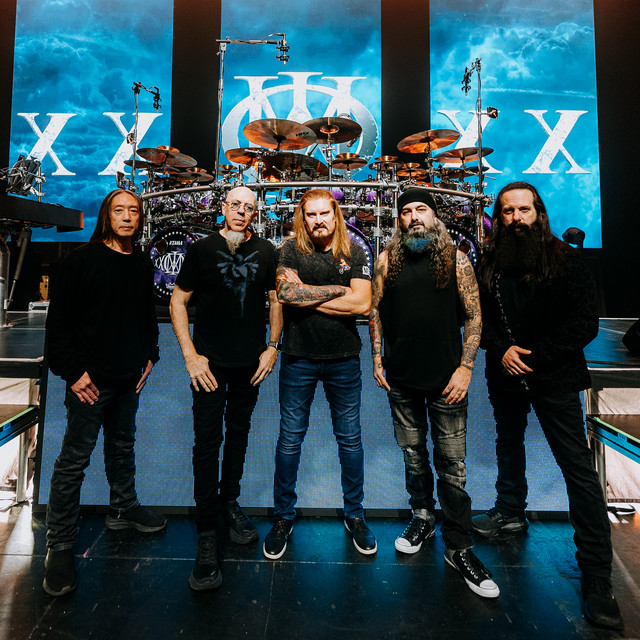
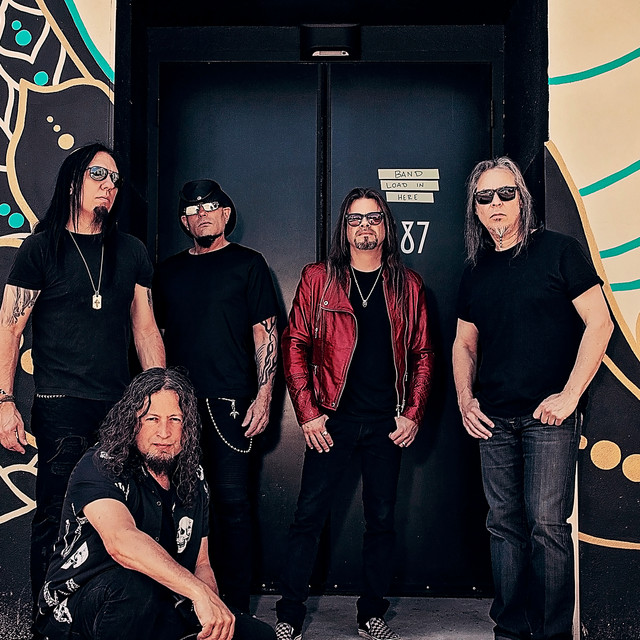
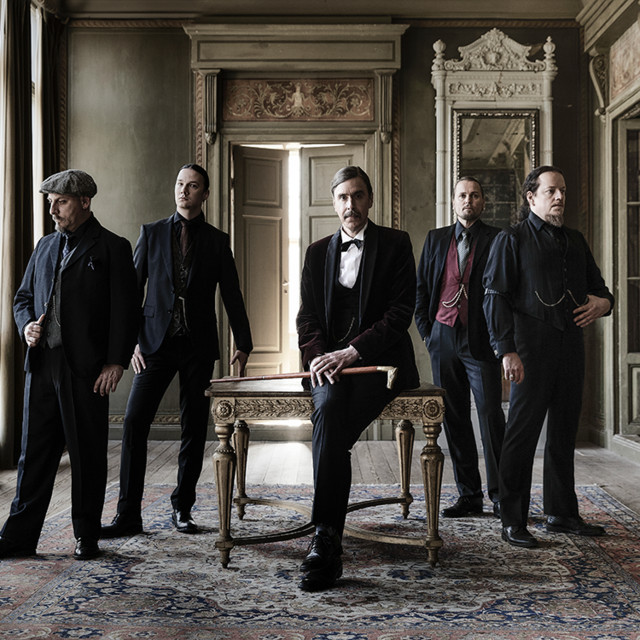
Among the genre’s ambassadors, Dream Theater stands as the most influential flagship act, shaping aspirations for musicianship and writing sophistication. Queensrÿche’s early work is still cited as foundational, while Fates Warning’s approach to complex arrangements informed many later bands. International acts broadened the palette: Opeth from Sweden fused death metal’s intensity with long-form composition and balance between brutality and beauty; Symphony X from the United States leaned into neoclassical technique and cinematic drama; Meshuggah from Sweden pushed polyrhythmic aggression and technical rigor into a new, almost mathematical, dialect of metal; Ayreon from the Netherlands created sprawling, sung-through concept albums that feel like rock operas. In more contemporary strands, the United Kingdom’s Haken and TesseracT (along with other European groups) have carried the torch into new textures of melody, atmosphere, and rhythm, while Devin Townsend from Canada and Leprous from Norway have pushed experiential boundaries with fearless experimentation.
The genre spans several substreams. Technical/progressive metal emphasizes precision and complexity—think shifting meters, extended instrumental passages, and orchestral textures. Progressive death metal, exemplified by Opeth, blends the heaviness and extremity of death metal with the long-form, mood-driven storytelling of prog. Symphonic/progressive metal layers keyboards, choirs, and cinematic arrangements to craft grand, movie-like experiences. Djent, a more recent offshoot associated with Meshuggah and peers, emphasizes percussive clarity and groove-forward riffing within a progressive frame. Across these strands, the core appeal remains the same: music that rewards repeated listens, reveals new details with each spin, and invites listeners to study the craft as much as to feel it.
Progressive metal enjoys particular popularity in the United States and Europe, with strong scenes in Sweden, the United Kingdom, the Netherlands, and to a growing extent in Canada and parts of Asia. It thrives in dedicated festivals like ProgPower and various European prog events, and it continues to attract listeners who crave depth, technical prowess, and imaginative storytelling in heavy music. For enthusiasts, it’s less a style than a journey—an invitation to track the twists of a musical epic across albums, musicians, and continents.
The genre’s birth is usually placed in the late 1980s and early 1990s, primarily in the United States, as metal bands began to borrow the expansive, concept-driven approach of 1970s progressive rock. A few landmark markers illustrate the moment: Queensrÿche’s Operation: Mindcrime (1988) helped prove that metal could carry ambitious storytelling; Fates Warning released tightly composed, exploratory material around the same time; and Dream Theater, originally formed as Majesty, released Images and Words in 1992, a record widely regarded as a watershed that defined the modern progressive metal sound with its flawless technicalities and memorable melodies. The U.S. scene quickly became the genre’s powerhouse, even as Europe contributed its own lineage and strengths.
Among the genre’s ambassadors, Dream Theater stands as the most influential flagship act, shaping aspirations for musicianship and writing sophistication. Queensrÿche’s early work is still cited as foundational, while Fates Warning’s approach to complex arrangements informed many later bands. International acts broadened the palette: Opeth from Sweden fused death metal’s intensity with long-form composition and balance between brutality and beauty; Symphony X from the United States leaned into neoclassical technique and cinematic drama; Meshuggah from Sweden pushed polyrhythmic aggression and technical rigor into a new, almost mathematical, dialect of metal; Ayreon from the Netherlands created sprawling, sung-through concept albums that feel like rock operas. In more contemporary strands, the United Kingdom’s Haken and TesseracT (along with other European groups) have carried the torch into new textures of melody, atmosphere, and rhythm, while Devin Townsend from Canada and Leprous from Norway have pushed experiential boundaries with fearless experimentation.
The genre spans several substreams. Technical/progressive metal emphasizes precision and complexity—think shifting meters, extended instrumental passages, and orchestral textures. Progressive death metal, exemplified by Opeth, blends the heaviness and extremity of death metal with the long-form, mood-driven storytelling of prog. Symphonic/progressive metal layers keyboards, choirs, and cinematic arrangements to craft grand, movie-like experiences. Djent, a more recent offshoot associated with Meshuggah and peers, emphasizes percussive clarity and groove-forward riffing within a progressive frame. Across these strands, the core appeal remains the same: music that rewards repeated listens, reveals new details with each spin, and invites listeners to study the craft as much as to feel it.
Progressive metal enjoys particular popularity in the United States and Europe, with strong scenes in Sweden, the United Kingdom, the Netherlands, and to a growing extent in Canada and parts of Asia. It thrives in dedicated festivals like ProgPower and various European prog events, and it continues to attract listeners who crave depth, technical prowess, and imaginative storytelling in heavy music. For enthusiasts, it’s less a style than a journey—an invitation to track the twists of a musical epic across albums, musicians, and continents.