Genre
trap queen
Top Trap queen Artists
Showing 25 of 161 artists
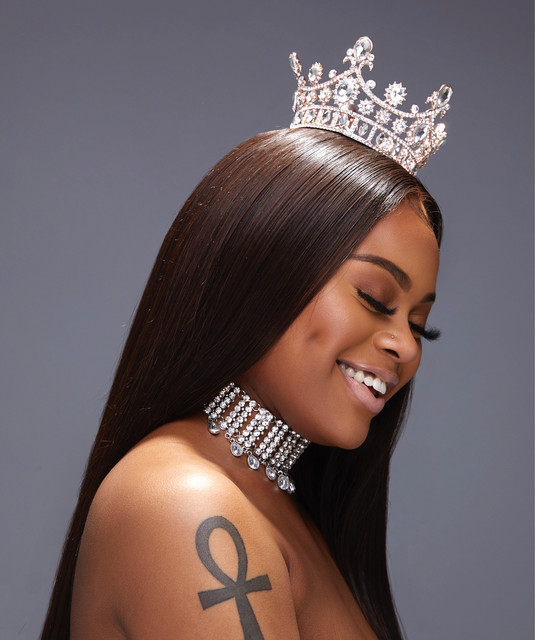
About Trap queen
Trap queen is best described as a female-forward vein of trap music, a cultural aesthetic as much as a sound. It takes the grit, heavy 808s, rapid hi-hats and street narratives that defined Atlanta’s early 2000s trap and wraps them in a swaggering, often glossy persona. The result is a vibe that yo-yoes between hard-hitting street realism and melodic confidence, with an emphasis on autonomy, luxury imagery, and strategic hustle. For enthusiasts, trap queen is less a formal genre label and more a lifestyle-marked sound that foregrounds empowerment, resilience and queenly ambition within the trap continuum.
The phrase “trap queen” entered the popular lexicon alongside Fetty Wap’s breakout track. Released in 2014 and rising to the upper reaches of the Billboard Hot 100 (peaking at number two), Trap Queen became a watershed moment: a blunt, catchy anthem about loyalty, partnership and making it out of the streets. Musically, the track fused sunlit melodies with streetwise storytelling and a chorus you could scream along to. That combination—hook-forward structure, autotuned cadences, and melodic rap—became a blueprint that many later female artists would adapt and expand upon. From that point, the term drifted from a single hit into a broader sensibility: the “queen” as a glamorous, self-sufficient figure who negotiates danger, money, romance and risk without surrendering personal power.
Sound-wise, trap queen inherits trap’s skeletal 808s, snappy snare rolls and intricate hi-hat patterns, but it often leans into smoother melodies and sing-song cadences more typical of R&B or pop rap. The lyrical focus tends to center independence, hustle, loyalty to a partner who supports one’s vision, and the pursuit of status and success on one’s own terms. Fashion and imagery amplify the concept: bold designer references, confident posture, and a narrative of ascent—from the block to the boardroom or stage. In practice, tracks labeled as trap queen blends street-level storytelling with aspirational glamour, a balance that resonates with listeners who crave both grit and gloss.
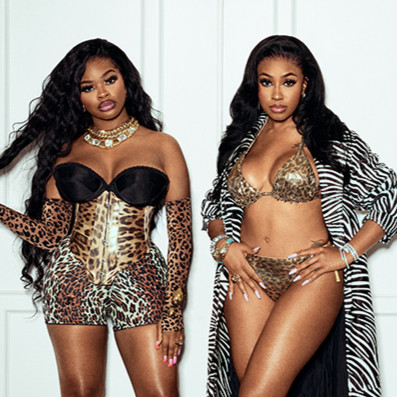
Ambassadors and touchstones of trap queen include a mix of domestic and international voices. Fetty Wap’s titular track remains the historical anchor. On the female side, City Girls popularized a fearless, unabashed hustle-and-hustle-ethic with hits like Act Up and other confrontational anthems, while Megan Thee Stallion and Cardi B pushed the genre into mainstream pop culture with unapologetic self-confidence and party-ready charisma. Nicki Minaj, in earlier years, helped broaden the lane with high-energy, melodic flows that blended trap sensibilities with fearless persona. Outside the U.S., the trap queen vibe has found listeners in the UK, France, Brazil and across Africa, where local scenes remix the core trap toolkit with regional rhythms and cadences, producing cross-cultural fusions that retain the queenly attitude at the center.
In short, trap queen is not a rigid genre box but a cultural strand inside trap music: a female-led, melodic-leaning, street-smart aesthetic that elevates hustle, independence, and swagger. It’s a movement you feel as much as you hear, a celebration of perseverance and self-worth wrapped in the unmistakable pulse of trap.
The phrase “trap queen” entered the popular lexicon alongside Fetty Wap’s breakout track. Released in 2014 and rising to the upper reaches of the Billboard Hot 100 (peaking at number two), Trap Queen became a watershed moment: a blunt, catchy anthem about loyalty, partnership and making it out of the streets. Musically, the track fused sunlit melodies with streetwise storytelling and a chorus you could scream along to. That combination—hook-forward structure, autotuned cadences, and melodic rap—became a blueprint that many later female artists would adapt and expand upon. From that point, the term drifted from a single hit into a broader sensibility: the “queen” as a glamorous, self-sufficient figure who negotiates danger, money, romance and risk without surrendering personal power.
Sound-wise, trap queen inherits trap’s skeletal 808s, snappy snare rolls and intricate hi-hat patterns, but it often leans into smoother melodies and sing-song cadences more typical of R&B or pop rap. The lyrical focus tends to center independence, hustle, loyalty to a partner who supports one’s vision, and the pursuit of status and success on one’s own terms. Fashion and imagery amplify the concept: bold designer references, confident posture, and a narrative of ascent—from the block to the boardroom or stage. In practice, tracks labeled as trap queen blends street-level storytelling with aspirational glamour, a balance that resonates with listeners who crave both grit and gloss.
Ambassadors and touchstones of trap queen include a mix of domestic and international voices. Fetty Wap’s titular track remains the historical anchor. On the female side, City Girls popularized a fearless, unabashed hustle-and-hustle-ethic with hits like Act Up and other confrontational anthems, while Megan Thee Stallion and Cardi B pushed the genre into mainstream pop culture with unapologetic self-confidence and party-ready charisma. Nicki Minaj, in earlier years, helped broaden the lane with high-energy, melodic flows that blended trap sensibilities with fearless persona. Outside the U.S., the trap queen vibe has found listeners in the UK, France, Brazil and across Africa, where local scenes remix the core trap toolkit with regional rhythms and cadences, producing cross-cultural fusions that retain the queenly attitude at the center.
In short, trap queen is not a rigid genre box but a cultural strand inside trap music: a female-led, melodic-leaning, street-smart aesthetic that elevates hustle, independence, and swagger. It’s a movement you feel as much as you hear, a celebration of perseverance and self-worth wrapped in the unmistakable pulse of trap.