Genre
mellow gold
Top Mellow gold Artists
Showing 25 of 40 artists


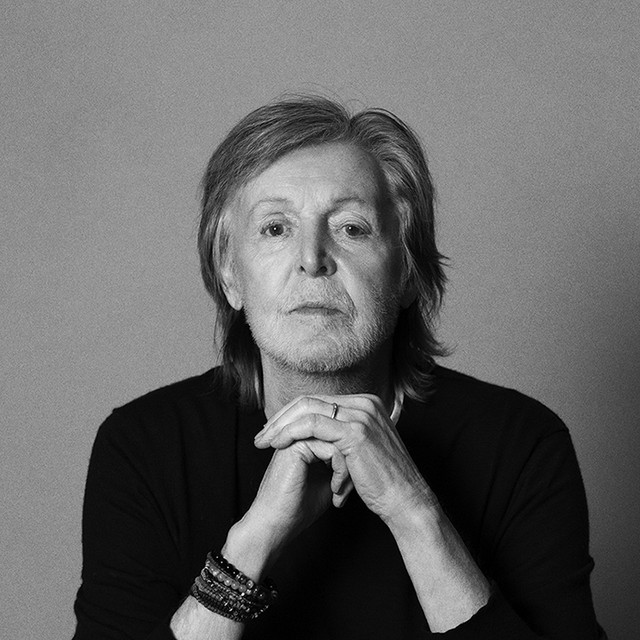

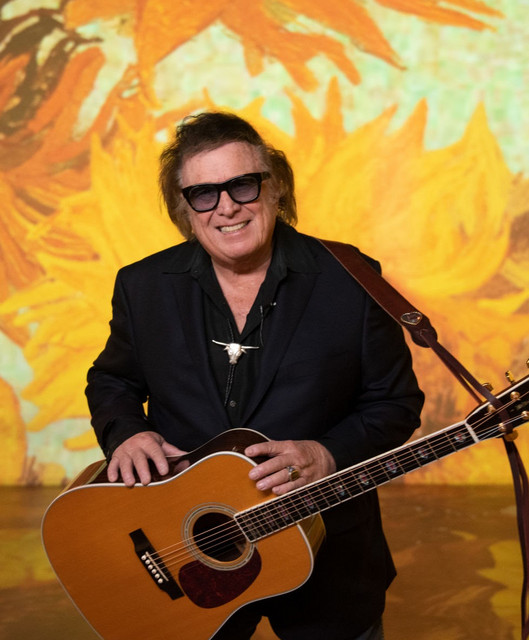
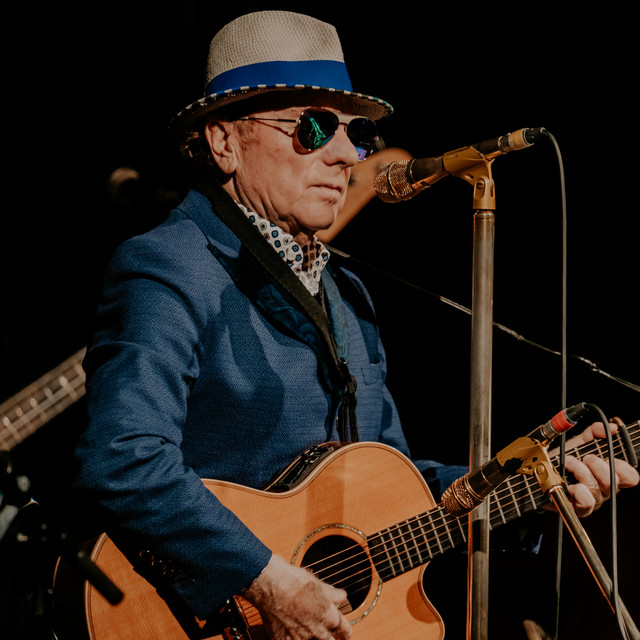
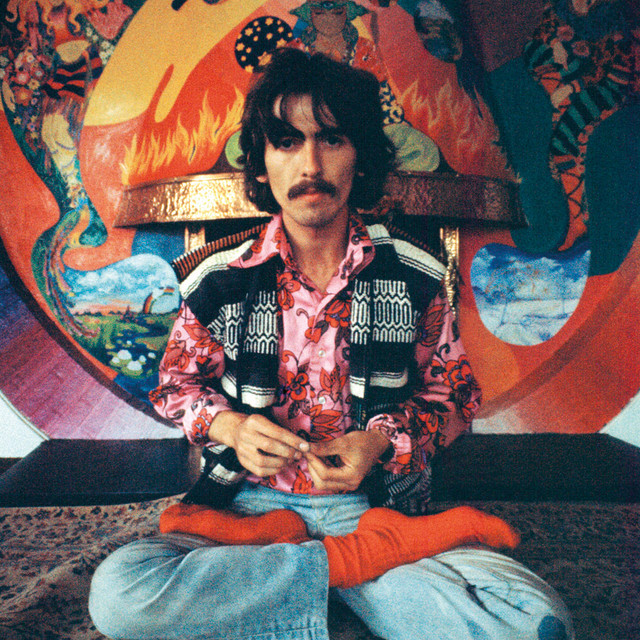




About Mellow gold
Mellow gold is a wearable mood as much as a sonic lane. It’s not a rigid, codified subgenre with strict rules, but a label critics and enthusiasts use to describe a warm, sunlit strand of indie folk, soft rock, and compact dream-pop that feels both intimate and expansive. Think guitar tones that glow like late-afternoon light, vocals that hover in a relaxed falsetto or gentle rasp, and arrangements that favor melody, spaciousness, and a comforting sense of nostalgia.
The concept began taking shape in the late 2000s and early 2010s, as musicians returned to tactile production and familiar, “analog” textures in an increasingly digital world. Originating largely on the West Coast of the United States—where coastal sun, faded denim, and California melodrama have long fueled a certain musical warmth—the mood soon found sympathetic ears in the UK and elsewhere in Europe. Indie labels and small studios, championing cassette warps, warm reverb, and jangly guitars, gave mellow gold a recognizable home base: a space where the past’s glow could be reinterpreted through contemporary, intimate recording practices.
What defines the sound, beyond sentiment, are a few recurring threads. Lo-fi warmth or gently saturated guitar tones sit at the core, aided by clean drums, airy synth pads, and harmonized vocals. Tempos tend to drift in the mid-to-slow range, allowing melodies to linger and carry the mood rather than rush the listener. Production often emphasizes a sense of space—room mics, tape warmth, and subtle spring reverbs that evoke golden-hour afternoons. Lyrically, the themes lean toward quiet introspection, small-town scenes, memory, and the beauty and ache of ordinary moments. It’s music that invites you to sit with a cup of coffee, or drive with the window down, letting nostalgia mingle with present-day ease.
Influences are as much historical as they are stylistic. The lineage traces through 60s–70s singer-songwriters and soft rock—the Carole Kings and James Taylors of the world—while also borrowing from 90s indie folk and the later bedroom-pop movement. The result is a bridge between the earnest, acoustically centered songwriting of the past and a contemporary, lo-fi aesthetic that feels immediate and breathable.
Artists often cited as ambassadors—whether through overt influence or shared sonic DNA—include Mac DeMarco for sunlit, analog-friendly guitar pop; Alex G and Riley or Real Estate for intimate, bedroom-recorded warmth; Kurt Vile for sprawling, laid-back guitar narratives; Fleet Foxes and Bon Iver for lush harmonies and contemplative mood; and Weyes Blood for vintage-arranged, emotionally expansive songs. These names aren’t a formal pantheon, but they commonly surface in conversations about mellow gold, each offering a different facet of the same luminous vibe.
Geographically, the genre finds its strongest followings in the United States, the United Kingdom, and Canada, with solid audiences in Australia and parts of Northern Europe. Japan has shown receptivity to the era’s refined warmth and melodic clarity, while streaming playlists across the world continue to introduce listeners to new contributors who fit the mood.
In essence, mellow gold is less about a fixed structure and more about a sunlit approach to songwriting: a durable warmth, a patient tempo, and melodies that linger long after the song ends. It’s a mood, a memory, and a modern reimagining of golden-era ease—an invitation to slow down and listen.
The concept began taking shape in the late 2000s and early 2010s, as musicians returned to tactile production and familiar, “analog” textures in an increasingly digital world. Originating largely on the West Coast of the United States—where coastal sun, faded denim, and California melodrama have long fueled a certain musical warmth—the mood soon found sympathetic ears in the UK and elsewhere in Europe. Indie labels and small studios, championing cassette warps, warm reverb, and jangly guitars, gave mellow gold a recognizable home base: a space where the past’s glow could be reinterpreted through contemporary, intimate recording practices.
What defines the sound, beyond sentiment, are a few recurring threads. Lo-fi warmth or gently saturated guitar tones sit at the core, aided by clean drums, airy synth pads, and harmonized vocals. Tempos tend to drift in the mid-to-slow range, allowing melodies to linger and carry the mood rather than rush the listener. Production often emphasizes a sense of space—room mics, tape warmth, and subtle spring reverbs that evoke golden-hour afternoons. Lyrically, the themes lean toward quiet introspection, small-town scenes, memory, and the beauty and ache of ordinary moments. It’s music that invites you to sit with a cup of coffee, or drive with the window down, letting nostalgia mingle with present-day ease.
Influences are as much historical as they are stylistic. The lineage traces through 60s–70s singer-songwriters and soft rock—the Carole Kings and James Taylors of the world—while also borrowing from 90s indie folk and the later bedroom-pop movement. The result is a bridge between the earnest, acoustically centered songwriting of the past and a contemporary, lo-fi aesthetic that feels immediate and breathable.
Artists often cited as ambassadors—whether through overt influence or shared sonic DNA—include Mac DeMarco for sunlit, analog-friendly guitar pop; Alex G and Riley or Real Estate for intimate, bedroom-recorded warmth; Kurt Vile for sprawling, laid-back guitar narratives; Fleet Foxes and Bon Iver for lush harmonies and contemplative mood; and Weyes Blood for vintage-arranged, emotionally expansive songs. These names aren’t a formal pantheon, but they commonly surface in conversations about mellow gold, each offering a different facet of the same luminous vibe.
Geographically, the genre finds its strongest followings in the United States, the United Kingdom, and Canada, with solid audiences in Australia and parts of Northern Europe. Japan has shown receptivity to the era’s refined warmth and melodic clarity, while streaming playlists across the world continue to introduce listeners to new contributors who fit the mood.
In essence, mellow gold is less about a fixed structure and more about a sunlit approach to songwriting: a durable warmth, a patient tempo, and melodies that linger long after the song ends. It’s a mood, a memory, and a modern reimagining of golden-era ease—an invitation to slow down and listen.