Genre
requiem
Top Requiem Artists
Showing 25 of 2,849 artists






About Requiem
Requiem, in musical terms, is a large-scale choral-orchestral genre built around the text of the Roman Catholic Mass for the Dead. It is both a liturgical form and a concert form: some settings are performed in church services, others in concert halls, and many sit somewhere in between. Its atmosphere is typically solemn, contemplative, and elegiac, but composers have used stark drama, intimate lyricism, and even political or memorial gestures to match the moment they wanted to honor.
Origins lie in the Catholic sacred tradition. The Requiem Mass is not a single “style” but a function—Masses composed for funeral rites and remembrance. The musical practice evolved from medieval chant into Renaissance polyphony, with some of the earliest extended Requiem settings attributed to masters of the era who wrote Missa pro defunctis (Mass for the dead). By the Baroque and Romantic periods, the Requiem had become a major format for grand, emotionally charged works that could stand alongside operas in scale and rhetoric.
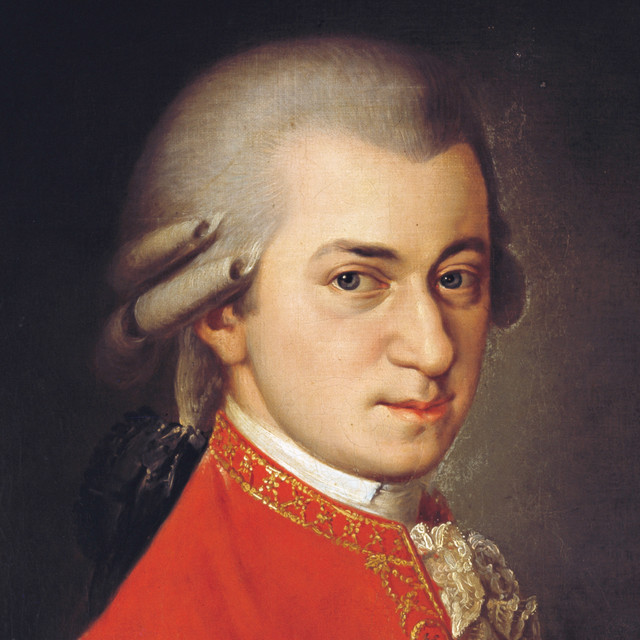
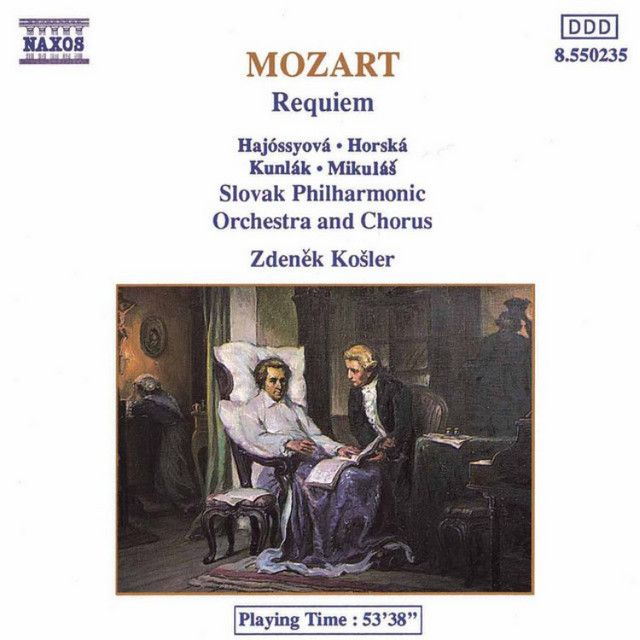
If you trace the genre through listening, three eras stand out. The Classical-Romantic hinge is Mozart’s Requiem in D minor (K. 626), a work that feels like the dying breath of a genius and a turning point in the repertoire—part liturgical rite, part operatic drama, perpetually cited as the touchstone of the form. The Romantic grandiosity is embodied in Berlioz’s Grande Messe des morts (1837), a monumental, programmatic Mass for a new century’s sense of catastrophe and mortality. Verdi’s Requiem (1874) reframes the mass as a triumphantly personal, almost operatic meditation on loss and consolation, balancing thunderous choruses with intimate lyrical prayers.
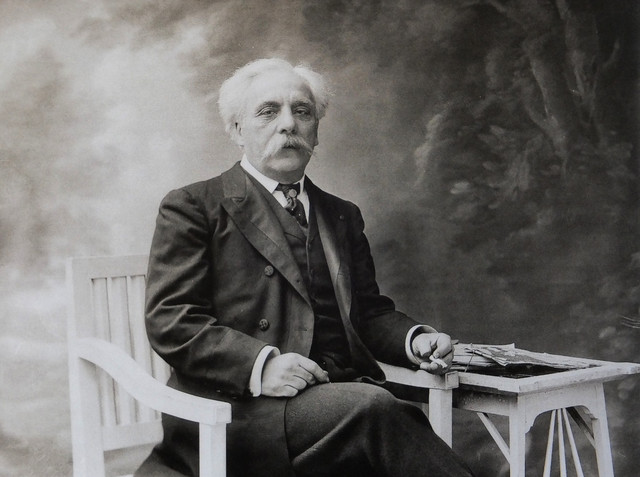
In the late 19th and 20th centuries the form increasingly became a vehicle for modern sensibilities. Gabriel Fauré’s Requiem (completed 1890) shifted the mood toward serene, contemplative reflection, treating death with gentle prayer rather than explicit mourning. Maurice Duruflé’s Requiem (1947) wove Gregorian chant textures into lush harmonies, a masterclass in restraint and richness. In the 20th century, Benjamin Britten’s War Requiem (1962) fused Latin liturgical texts with Wilfred Owen’s poetry, creating a potent memorial work that sits at the intersection of faith, history, and memory.
Ambassadors of the genre include Mozart, Berlioz, Verdi, Fauré, Duruflé, and Britten, each redefining what a Requiem can be. In more recent times, John Rutter’s Requiem and other contemporary settings have kept the form vital for choirs around the world, often performed in schools and concert halls with a more accessible, emotionally direct language.
Geographically, the Requiem has its strongest roots in Europe—Italy, Austria, Germany, France—and remains a staple of the classical concert repertoire in the United States and the United Kingdom. It travels well, too, finding sensitivity and resonance in cathedrals and concert venues across continents. Today it is as much about collective memory and shared humanity as about liturgy: a living tradition that invites both reverent listening and communal reflection.
Origins lie in the Catholic sacred tradition. The Requiem Mass is not a single “style” but a function—Masses composed for funeral rites and remembrance. The musical practice evolved from medieval chant into Renaissance polyphony, with some of the earliest extended Requiem settings attributed to masters of the era who wrote Missa pro defunctis (Mass for the dead). By the Baroque and Romantic periods, the Requiem had become a major format for grand, emotionally charged works that could stand alongside operas in scale and rhetoric.
If you trace the genre through listening, three eras stand out. The Classical-Romantic hinge is Mozart’s Requiem in D minor (K. 626), a work that feels like the dying breath of a genius and a turning point in the repertoire—part liturgical rite, part operatic drama, perpetually cited as the touchstone of the form. The Romantic grandiosity is embodied in Berlioz’s Grande Messe des morts (1837), a monumental, programmatic Mass for a new century’s sense of catastrophe and mortality. Verdi’s Requiem (1874) reframes the mass as a triumphantly personal, almost operatic meditation on loss and consolation, balancing thunderous choruses with intimate lyrical prayers.
In the late 19th and 20th centuries the form increasingly became a vehicle for modern sensibilities. Gabriel Fauré’s Requiem (completed 1890) shifted the mood toward serene, contemplative reflection, treating death with gentle prayer rather than explicit mourning. Maurice Duruflé’s Requiem (1947) wove Gregorian chant textures into lush harmonies, a masterclass in restraint and richness. In the 20th century, Benjamin Britten’s War Requiem (1962) fused Latin liturgical texts with Wilfred Owen’s poetry, creating a potent memorial work that sits at the intersection of faith, history, and memory.
Ambassadors of the genre include Mozart, Berlioz, Verdi, Fauré, Duruflé, and Britten, each redefining what a Requiem can be. In more recent times, John Rutter’s Requiem and other contemporary settings have kept the form vital for choirs around the world, often performed in schools and concert halls with a more accessible, emotionally direct language.
Geographically, the Requiem has its strongest roots in Europe—Italy, Austria, Germany, France—and remains a staple of the classical concert repertoire in the United States and the United Kingdom. It travels well, too, finding sensitivity and resonance in cathedrals and concert venues across continents. Today it is as much about collective memory and shared humanity as about liturgy: a living tradition that invites both reverent listening and communal reflection.