Data may be outdated
Last updated: 8 months ago — Click refresh to get the latest statistics.
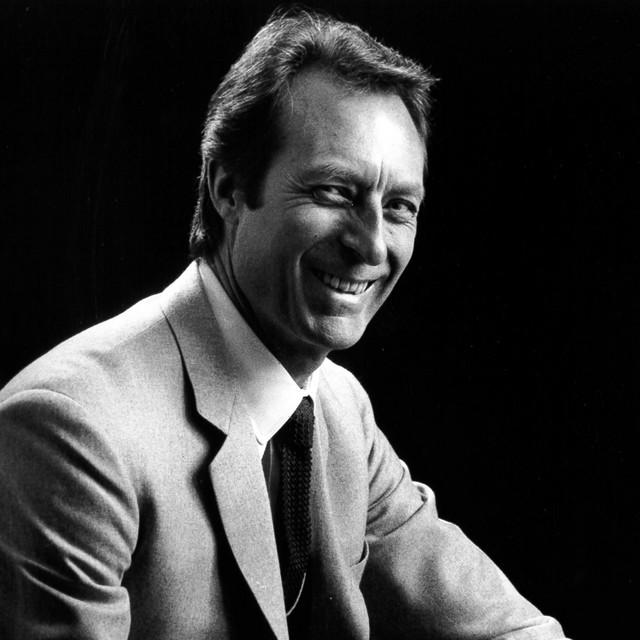
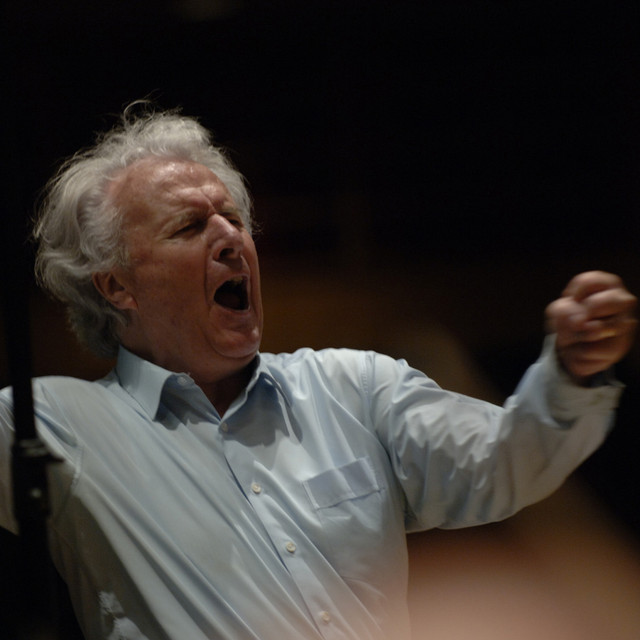
Colin Davis became one of the world's best-known conductors during the last four decades of the 20th century. He was particularly well known for his recordings of <a href="spotify:artist:11T8SOX82xraocZzUXzkvM">Berlioz</a> and <a href="spotify:artist:7jzR5qj8vFnSu5JHaXgFEr">Sibelius</a>. While playing the clarinet as a student at the Royal College of Music in London, he participated in a performance of <a href="spotify:artist:11T8SOX82xraocZzUXzkvM">Berlioz</a>'s oratorio L'enfance du Christ. He was deeply affected by the work and decided then to become a conductor. A great obstacle in achieving his goal was his lack of skill at the piano. For that reason, he was barred from conducting classes at the Royal College of Music and had to learn conducting on his own. He admitted that he played piano "very badly, not worth talking about."
He was called to military service and was posted to the Band of the Household Cavalry. At that point he formed, with some fellow Royal College instrumentalists, an ensemble called the Kalmar Orchestra, which he often conducted. It soon evolved into the Chelsea Opera Group, a semi-professional organization. Davis became recognized for his professional and stylish performances of <a href="spotify:artist:4NJhFmfw43RLBLjQvxDuRS">Mozart</a> operas. In 1952 he became head of ballet music at Royal Festival Hall. He was an assistant conductor of the BBC Scottish Orchestra (1957-1959). In 1958 he debuted at Covent Garden in Die Entführung aus dem Serail. In 1959, when <a href="spotify:artist:2ljDHW0zt90SrHDwjVIGXs">Otto Klemperer</a> became ill, he took over a performance of <a href="spotify:artist:4NJhFmfw43RLBLjQvxDuRS">Mozart</a>'s Don Giovanni at the Royal Festival Hall, a performance that won him wide acclaim. In 1960 lightning struck twice when <a href="spotify:artist:04kScQiBaLpLuCR1rh20Dd">Thomas Beecham</a>, scheduled to conduct <a href="spotify:artist:4NJhFmfw43RLBLjQvxDuRS">Mozart</a>'s Zauberflöte at Glyndebourne, fell ill and Davis again made a brilliant substitution.
In 1961 he was appointed musical director of the Sadler's Wells Opera. He resigned from Sadler's Wells in 1964 to do more symphonic conducting, especially with the <a href="spotify:artist:5yxyJsFanEAuwSM5kOuZKc">London Symphony Orchestra</a>. In 1965 he was named a Commander of the Order of the British Empire. During this period he began to record widely, including a classic series of releases of the music of <a href="spotify:artist:11T8SOX82xraocZzUXzkvM">Hector Berlioz</a>, including the first recording of the complete Les Troyens.
From 1967 to 1971 he was principal conductor of the <a href="spotify:artist:23BiSNXm5UaRFuusoWisYO">BBC Symphony Orchestra</a>, with the autonomy to pursue an adventurous policy of repertory. He conducted the Royal Opera Company on several occasions, again mainly in newer music, and emerged as a principal champion of <a href="spotify:artist:0hW5OU8cM6ANp2gTi5WR2P"> Michael Tippett</a>'s operas.
He was chosen to succeed <a href="spotify:artist:0dicUFoK5LIbqu6OoHu8VH">Georg Solti</a> as musical director of the Royal Opera House, Covent Garden, in 1971. While continuing to be praised for his <a href="spotify:artist:4NJhFmfw43RLBLjQvxDuRS">Mozart</a> and for unusual repertory, he received some criticism for his more standard selections, including a <a href="spotify:artist:1C1x4MVkql8AiABuTw6DgE">Wagner</a> Ring cycle of 1974-1976. Even so, he was asked to appear at Bayreuth, where his Tannhäuser in 1977 was the first appearance of a British conductor in the Wagnerian shrine. Over the years, he became more at home in the core operatic and orchestral repertory.
In 1980 he received a knighthood from Queen Elizabeth II. In 1984 he accepted a position as chief conductor of the <a href="spotify:artist:74gWOpgM97HU3Mn8A8d0Vm">Bavarian Radio Symphony Orchestra</a> in Munich. He took it on a tour of North America in 1986. In the same year, he resigned his position with the Royal Opera to have more time for guest conducting. He remained with the <a href="spotify:artist:2MmbPxrrW8eagvKTU49aq1">Munich Orchestra</a> into 1994 and was principal guest conductor with the <a href="spotify:artist:0K23lQ2hSQAlxSEeZ05bjI">Boston Symphony Orchestra</a>. In 1995 he was appointed principal conductor of the <a href="spotify:artist:5yxyJsFanEAuwSM5kOuZKc">London Symphony Orchestra</a>, where he remained to his death in 2013. Davis won a Best Opera Grammy Award in 2006 for his <a href="spotify:search:label%3A%22LSO+Live%22">LSO Live</a> disc of <a href="spotify:artist:1JOQXgYdQV2yfrhewqx96o">Verdi</a>'s Falstaff and continued conducting the <a href="spotify:artist:5yxyJsFanEAuwSM5kOuZKc">LSO</a>.
He was called to military service and was posted to the Band of the Household Cavalry. At that point he formed, with some fellow Royal College instrumentalists, an ensemble called the Kalmar Orchestra, which he often conducted. It soon evolved into the Chelsea Opera Group, a semi-professional organization. Davis became recognized for his professional and stylish performances of <a href="spotify:artist:4NJhFmfw43RLBLjQvxDuRS">Mozart</a> operas. In 1952 he became head of ballet music at Royal Festival Hall. He was an assistant conductor of the BBC Scottish Orchestra (1957-1959). In 1958 he debuted at Covent Garden in Die Entführung aus dem Serail. In 1959, when <a href="spotify:artist:2ljDHW0zt90SrHDwjVIGXs">Otto Klemperer</a> became ill, he took over a performance of <a href="spotify:artist:4NJhFmfw43RLBLjQvxDuRS">Mozart</a>'s Don Giovanni at the Royal Festival Hall, a performance that won him wide acclaim. In 1960 lightning struck twice when <a href="spotify:artist:04kScQiBaLpLuCR1rh20Dd">Thomas Beecham</a>, scheduled to conduct <a href="spotify:artist:4NJhFmfw43RLBLjQvxDuRS">Mozart</a>'s Zauberflöte at Glyndebourne, fell ill and Davis again made a brilliant substitution.
In 1961 he was appointed musical director of the Sadler's Wells Opera. He resigned from Sadler's Wells in 1964 to do more symphonic conducting, especially with the <a href="spotify:artist:5yxyJsFanEAuwSM5kOuZKc">London Symphony Orchestra</a>. In 1965 he was named a Commander of the Order of the British Empire. During this period he began to record widely, including a classic series of releases of the music of <a href="spotify:artist:11T8SOX82xraocZzUXzkvM">Hector Berlioz</a>, including the first recording of the complete Les Troyens.
From 1967 to 1971 he was principal conductor of the <a href="spotify:artist:23BiSNXm5UaRFuusoWisYO">BBC Symphony Orchestra</a>, with the autonomy to pursue an adventurous policy of repertory. He conducted the Royal Opera Company on several occasions, again mainly in newer music, and emerged as a principal champion of <a href="spotify:artist:0hW5OU8cM6ANp2gTi5WR2P"> Michael Tippett</a>'s operas.
He was chosen to succeed <a href="spotify:artist:0dicUFoK5LIbqu6OoHu8VH">Georg Solti</a> as musical director of the Royal Opera House, Covent Garden, in 1971. While continuing to be praised for his <a href="spotify:artist:4NJhFmfw43RLBLjQvxDuRS">Mozart</a> and for unusual repertory, he received some criticism for his more standard selections, including a <a href="spotify:artist:1C1x4MVkql8AiABuTw6DgE">Wagner</a> Ring cycle of 1974-1976. Even so, he was asked to appear at Bayreuth, where his Tannhäuser in 1977 was the first appearance of a British conductor in the Wagnerian shrine. Over the years, he became more at home in the core operatic and orchestral repertory.
In 1980 he received a knighthood from Queen Elizabeth II. In 1984 he accepted a position as chief conductor of the <a href="spotify:artist:74gWOpgM97HU3Mn8A8d0Vm">Bavarian Radio Symphony Orchestra</a> in Munich. He took it on a tour of North America in 1986. In the same year, he resigned his position with the Royal Opera to have more time for guest conducting. He remained with the <a href="spotify:artist:2MmbPxrrW8eagvKTU49aq1">Munich Orchestra</a> into 1994 and was principal guest conductor with the <a href="spotify:artist:0K23lQ2hSQAlxSEeZ05bjI">Boston Symphony Orchestra</a>. In 1995 he was appointed principal conductor of the <a href="spotify:artist:5yxyJsFanEAuwSM5kOuZKc">London Symphony Orchestra</a>, where he remained to his death in 2013. Davis won a Best Opera Grammy Award in 2006 for his <a href="spotify:search:label%3A%22LSO+Live%22">LSO Live</a> disc of <a href="spotify:artist:1JOQXgYdQV2yfrhewqx96o">Verdi</a>'s Falstaff and continued conducting the <a href="spotify:artist:5yxyJsFanEAuwSM5kOuZKc">LSO</a>.
Monthly Listeners
579,688
Monthly Listeners History
Track the evolution of monthly listeners over the last 28 days.
Followers
14,877
Followers History
Track the evolution of followers over the last 28 days.
Top Cities
12,673 listeners

7,744 listeners

5,091 listeners
5,057 listeners

3,931 listeners