Genre
modern indie folk
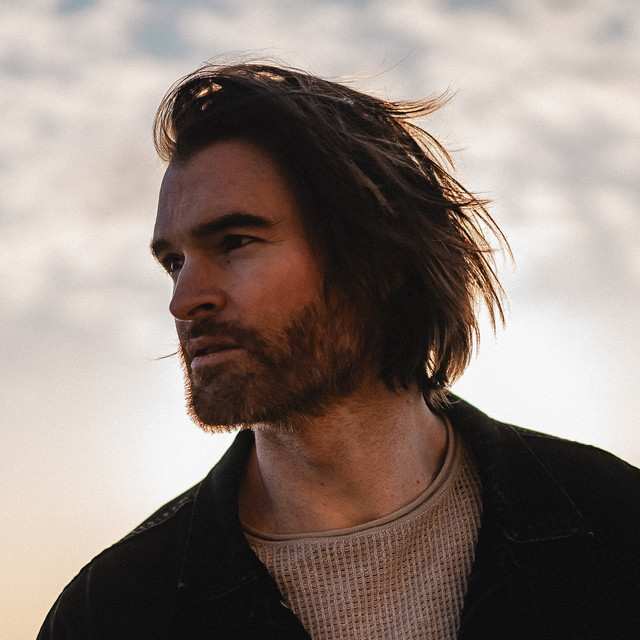
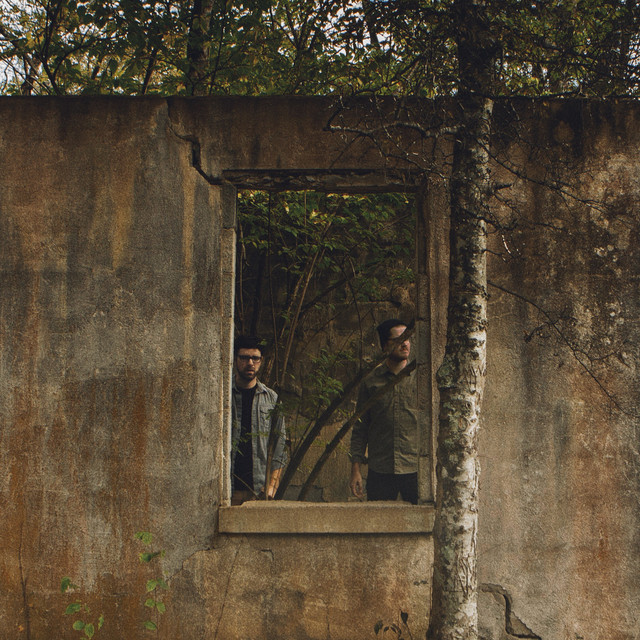
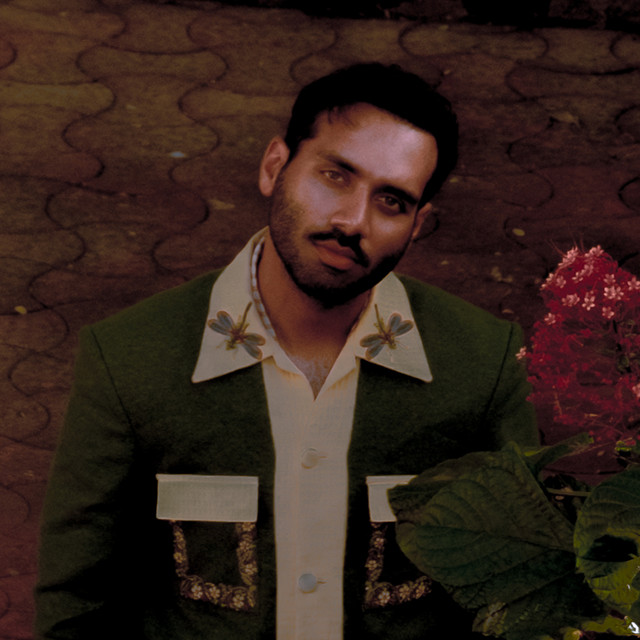
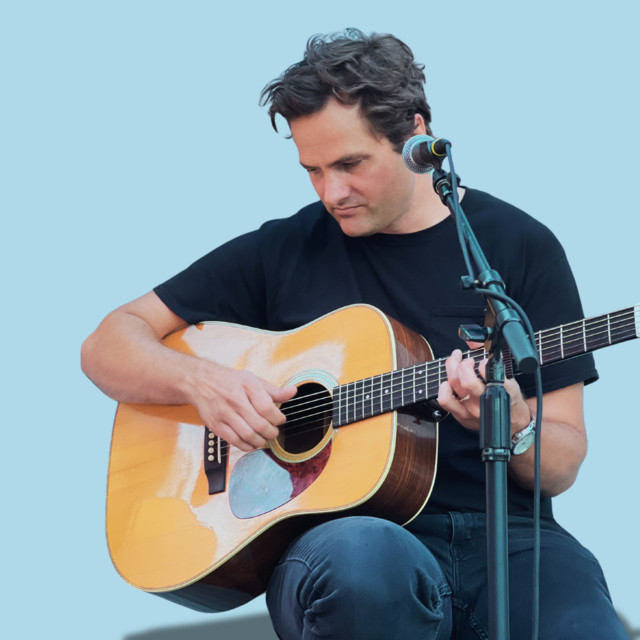
Top Modern indie folk Artists
Showing 25 of 71 artists

















About Modern indie folk
Modern indie folk is a 21st‑century branch of folk-inflected music that places intimate storytelling at the core while marrying it to the textures and experimentation of indie rock. It’s not simply “folk with a modern twist”; it’s a mode of production and performance that values space, nuance, and mood as much as melody and message. The result is work that can feel spare and hushed, or expansive and lush, but always attentive to the human voice and the small details of everyday life.
Origins and birth
The mood and approach coalesced in the mid-to-late 2000s, as artists began rethinking traditional folk forms for a new generation of listeners. Early touchstones include Iron & Wine, Sufjan Stevens, and Bright Eyes, who braided acoustic warmth with personal, literate lyricism. The sound truly crystallized with Bon Iver’s debut (For Emma, Forever Ago, 2007) and Fleet Foxes’ 2008 self-titled breakthrough, whose interwoven harmonies, organic instrumentation, and pastoral atmospheres became instantly influential. As the decade progressed, a wider circle—Laura Marling, José González, and The Tallest Man on Earth among them—expanded the sonic vocabulary with Nordic melancholy, rustic picking, and deeply human storytelling. The wave picked up mainstream momentum through acts like Mumford & Sons and The Lumineers, bringing a robust, anthemic edge to songs rooted in acoustic tradition while preserving the genre’s reflective core.
Musical characteristics
Modern indie folk centers around acoustic guitars and organic timbres, often augmented by banjo, mandolin, fiddle, and piano. Vocal delivery tends to be earnest and intimate—breathy, conversational, or emotionally direct—freighted with harmony-rich textures. Production favors clarity and space over heavy polish, sometimes incorporating subtle field recordings, reverb, and room ambience to evoke a sense of place. Lyrically, it leans toward introspection, nature, memory, and small-scale stories, balancing personal revelation with universal threads. The genre’s boundaries are flexible: a song may feel like a hushed confession, a pastoral ballad, or a stirring, communal sing-along, all while retaining a songwriter’s emphasis on craft and narrative.
Geography and cultural footprint
The United States, the United Kingdom, and Canada have been core engines of the modern indie folk movement, with strong scenes in Australia and across Northern Europe. Scandinavia—especially Sweden—has contributed a notable lineage of melodic, lyric-driven folk-inflected music, while Iceland and other Nordic scenes have enriched the genre with stark, cinematic mood. Festival stages from Coachella and Glastonbury to Primavera have showcased this music alongside broader indie currents, reinforcing its status as a coherent, widely recognized strand rather than a fringe subculture.
Ambassadors and touchstones
- Bon Iver
- Fleet Foxes
- Iron & Wine
- Sufjan Stevens
- The Tallest Man on Earth
- Laura Marling
- Mumford & Sons
- The Lumineers
- Of Monsters and Men
- José González
Today, modern indie folk remains a living, evolving field: rooted in acoustic warmth and lyric depth, it continually absorbs new textures—soft electronics, chamber-pop textures, or ambient soundscapes—without losing its essential emphasis on the human voice and the power of a well-told, well-played story. It’s a genre that invites enthusiasts to listen closely, notice the space between notes, and savor the small, universal truths sung in close, honest tones.
Origins and birth
The mood and approach coalesced in the mid-to-late 2000s, as artists began rethinking traditional folk forms for a new generation of listeners. Early touchstones include Iron & Wine, Sufjan Stevens, and Bright Eyes, who braided acoustic warmth with personal, literate lyricism. The sound truly crystallized with Bon Iver’s debut (For Emma, Forever Ago, 2007) and Fleet Foxes’ 2008 self-titled breakthrough, whose interwoven harmonies, organic instrumentation, and pastoral atmospheres became instantly influential. As the decade progressed, a wider circle—Laura Marling, José González, and The Tallest Man on Earth among them—expanded the sonic vocabulary with Nordic melancholy, rustic picking, and deeply human storytelling. The wave picked up mainstream momentum through acts like Mumford & Sons and The Lumineers, bringing a robust, anthemic edge to songs rooted in acoustic tradition while preserving the genre’s reflective core.
Musical characteristics
Modern indie folk centers around acoustic guitars and organic timbres, often augmented by banjo, mandolin, fiddle, and piano. Vocal delivery tends to be earnest and intimate—breathy, conversational, or emotionally direct—freighted with harmony-rich textures. Production favors clarity and space over heavy polish, sometimes incorporating subtle field recordings, reverb, and room ambience to evoke a sense of place. Lyrically, it leans toward introspection, nature, memory, and small-scale stories, balancing personal revelation with universal threads. The genre’s boundaries are flexible: a song may feel like a hushed confession, a pastoral ballad, or a stirring, communal sing-along, all while retaining a songwriter’s emphasis on craft and narrative.
Geography and cultural footprint
The United States, the United Kingdom, and Canada have been core engines of the modern indie folk movement, with strong scenes in Australia and across Northern Europe. Scandinavia—especially Sweden—has contributed a notable lineage of melodic, lyric-driven folk-inflected music, while Iceland and other Nordic scenes have enriched the genre with stark, cinematic mood. Festival stages from Coachella and Glastonbury to Primavera have showcased this music alongside broader indie currents, reinforcing its status as a coherent, widely recognized strand rather than a fringe subculture.
Ambassadors and touchstones
- Bon Iver
- Fleet Foxes
- Iron & Wine
- Sufjan Stevens
- The Tallest Man on Earth
- Laura Marling
- Mumford & Sons
- The Lumineers
- Of Monsters and Men
- José González
Today, modern indie folk remains a living, evolving field: rooted in acoustic warmth and lyric depth, it continually absorbs new textures—soft electronics, chamber-pop textures, or ambient soundscapes—without losing its essential emphasis on the human voice and the power of a well-told, well-played story. It’s a genre that invites enthusiasts to listen closely, notice the space between notes, and savor the small, universal truths sung in close, honest tones.