Genre
musica portuguesa contemporanea
Top Musica portuguesa contemporanea Artists
Showing 15 of 15 artists



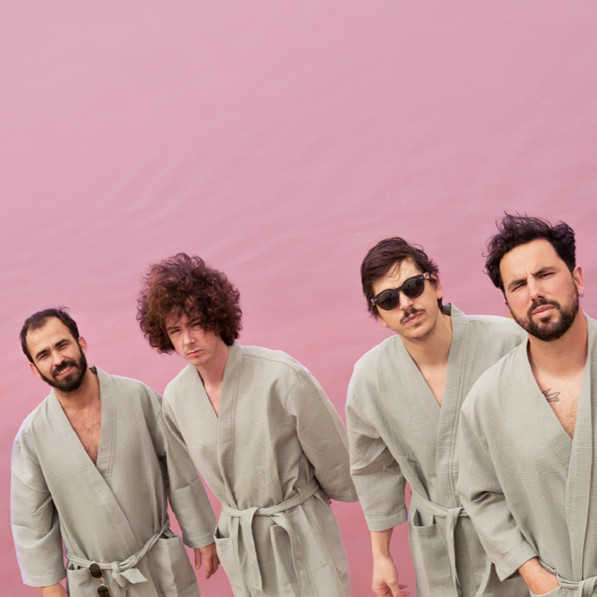





About Musica portuguesa contemporanea
Musica Portuguesa Contemporânea is best understood as a living umbrella for Portugal’s current popular and experimental sounds, sung in Portuguese and born from a desire to speak to both local and international audiences without abandoning the country’s musical roots. It isn’t a single fixed style, but a dynamic ecosystem where indie rock, pop, electronica, hip‑hop, folk, and even neofado mingle. The result is a vibrant, emotionally literate scene that travels well beyond Portugal’s borders while staying unmistakably Portuguese in feeling and language.
Origins and evolution
The frame of reference began taking shape in the late 1990s and early 2000s as Portuguese artists started writing predominantly in their native language and embracing cross‑genre experimentation. They built a homegrown culture of independent labels, daring productions, and festival appearances that could showcase both intimate singer‑songwriter work and club‑oriented electronic music. Over the next decade, a new generation fused ancient forms with contemporary textures, producing music that resonates with the saudade and romance of Portuguese culture while sounding unmistakably current on streaming platforms and dance floors alike. In short, contemporary Portuguese music reflects a philosophy: sing in Portuguese, but think globally.
Key artists and ambassadors
- Ornatos Violeta (1990s–2000s) are often cited as a foundational act for the modern Portuguese alternative scene, blending guitar-driven rock with poetic lyrics and a distinctly Portuguese sensibility.
- The Gift and Clã are emblematic of the Portuguese indie/pop continuum, working with melodic hooks, lush arrangements, and a knack for international appeal without leaving their language behind.
- Buraka Som Sistema (founded 2006) helped propel Portugal onto the global electronic map by fusing kuduro and global club music with Portuguese vocal delivery, turning Portuguese nightclubs and festival stages into cross‑continental stages.
- Deolinda offered a folk‑pop voice with sharp social commentary and storytelling rooted in Portuguese urban life, while Capicua brought contemporary hip‑hop and rapped poetry to a broad audience in the language of the street and the heart.
- On the fado‑adjacent side, artists such as Mariza, Carminho and Ana Moura have carried modern fado into international concert halls, showing how traditional Portuguese singing can coexist with pop, jazz and world music sensibilities.
- More recent voices include diasporic and genre‑blending talents who continue to expand the vocabulary of the scene, from singer‑songwriters to electronic producers and cross‑genre collaborations.
Global reach and audience
Portugal remains the creative hub, but the music travels. The strongest overseas listening bases are in Brazil and other Lusophone countries in Africa (Angola, Mozambique, Cape Verde), where the shared language and musical empathy create fertile ground. In Europe and North America,Diaspora communities, world music listeners, and curious pop fans discover Portuguese contemporary music through streaming playlists, festival showcases, and collaborations with foreign artists. France, the United Kingdom, Spain, and Germany host growing audiences for acts that sing in Portuguese and bring a Portuguese sensibility to global genres.
Listening approach
For enthusiasts, the genre offers a panorama rather than a blueprint: expect lyrical storytelling, expressive vocal delivery, careful production, and a sense of place—whether it’s a sunlit Lisbon street, a Porto indie venue, or a dance floor somewhere far away. It rewards attentive listening to words and textures, with a readiness to be moved by music that feels both intimately local and universally human.
Origins and evolution
The frame of reference began taking shape in the late 1990s and early 2000s as Portuguese artists started writing predominantly in their native language and embracing cross‑genre experimentation. They built a homegrown culture of independent labels, daring productions, and festival appearances that could showcase both intimate singer‑songwriter work and club‑oriented electronic music. Over the next decade, a new generation fused ancient forms with contemporary textures, producing music that resonates with the saudade and romance of Portuguese culture while sounding unmistakably current on streaming platforms and dance floors alike. In short, contemporary Portuguese music reflects a philosophy: sing in Portuguese, but think globally.
Key artists and ambassadors
- Ornatos Violeta (1990s–2000s) are often cited as a foundational act for the modern Portuguese alternative scene, blending guitar-driven rock with poetic lyrics and a distinctly Portuguese sensibility.
- The Gift and Clã are emblematic of the Portuguese indie/pop continuum, working with melodic hooks, lush arrangements, and a knack for international appeal without leaving their language behind.
- Buraka Som Sistema (founded 2006) helped propel Portugal onto the global electronic map by fusing kuduro and global club music with Portuguese vocal delivery, turning Portuguese nightclubs and festival stages into cross‑continental stages.
- Deolinda offered a folk‑pop voice with sharp social commentary and storytelling rooted in Portuguese urban life, while Capicua brought contemporary hip‑hop and rapped poetry to a broad audience in the language of the street and the heart.
- On the fado‑adjacent side, artists such as Mariza, Carminho and Ana Moura have carried modern fado into international concert halls, showing how traditional Portuguese singing can coexist with pop, jazz and world music sensibilities.
- More recent voices include diasporic and genre‑blending talents who continue to expand the vocabulary of the scene, from singer‑songwriters to electronic producers and cross‑genre collaborations.
Global reach and audience
Portugal remains the creative hub, but the music travels. The strongest overseas listening bases are in Brazil and other Lusophone countries in Africa (Angola, Mozambique, Cape Verde), where the shared language and musical empathy create fertile ground. In Europe and North America,Diaspora communities, world music listeners, and curious pop fans discover Portuguese contemporary music through streaming playlists, festival showcases, and collaborations with foreign artists. France, the United Kingdom, Spain, and Germany host growing audiences for acts that sing in Portuguese and bring a Portuguese sensibility to global genres.
Listening approach
For enthusiasts, the genre offers a panorama rather than a blueprint: expect lyrical storytelling, expressive vocal delivery, careful production, and a sense of place—whether it’s a sunlit Lisbon street, a Porto indie venue, or a dance floor somewhere far away. It rewards attentive listening to words and textures, with a readiness to be moved by music that feels both intimately local and universally human.