Genre
neofolk
Top Neofolk Artists
Showing 25 of 535 artists






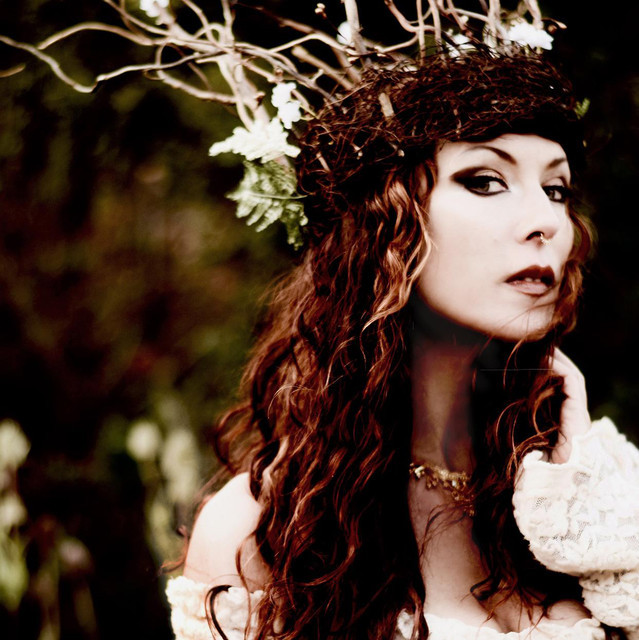


About Neofolk
Neofolk is a music genre that stitches the intimate warmth of traditional folk song to the austere, ritual textures of post-punk, industrial, and ambient music. It often foregrounds acoustic instruments—guitars, violins, mandolin, hurdy-gurdy, and flutes—while weaving in drones, sparse percussion, and sometimes subtle electronics. The result is a sound that can feel at once pastoral and stark, archaic and contemporary, as if a folk hymn were transported into a frost-glassed dreamscape.
Origins and emergence
Neofolk crystallized in the late 1980s and early 1990s, chiefly across Britain and continental Europe, as artists sought to reclaim folk forms while exploring history, myth, ritual, and the occult in a modern, non-pop idiom. It grew out of a lineage that included post-punk and industrial scenes, but its core was always the feeling that traditional songs could be recast as living, breathing contemporary statements. The genre’s pioneers are widely cited as Death in June and Current 93, whose founders—Douglas Pearce and David Tibet, respectively—helped fuse folk songcraft with ritual imagery, sparse electronics, and a piercing atmosphere. Another major figure in the early scene is Sol Invictus, a project started by Tony Wakeford after departing from Death in June, which deepened the martial, ceremonial side of neofolk. Across Europe, a web of like-minded artists contributed to a vocabulary that could be stark, hypnotic, and richly symbolic.
Key artists and ambassadors
- Death in June (UK): Pioneers whose work laid much of the groundwork for neofolk’s mood and theme.
- Current 93 (UK): David Tibet’s project, renowned for its mythic and apocalyptic lyricism.
- Sol Invictus (UK): Tony Wakeford’s project, blending folk melody with martial and ritual textures.
- Of the Wand and the Moon (Denmark): Danish act known for nocturnal, intimate songwriting and esoteric imagery.
- Empyrium (Germany): Began as a metal-leaning project and embraced neofolk-inflected, lyrical folk textures, influencing the broader scene.
Geography and popularity
Neofolk has its strongest and most sustained followings in Europe—particularly in Germany, the United Kingdom, and the Nordic countries—where traditional song forms and historical/folk-literary themes have deep roots. It also maintains a devoted if smaller audience in North America, with enthusiasts and small-scale festivals, independent labels, and underground communities sustaining the scene. The genre’s aesthetic has traveled widely on listening platforms, drawing listeners who are drawn to intimate, cinematic, and contemplative music.
Themes, ethics, and controversy
Lyrically, neofolk often engages with myth, nature, memory, paganism, folklore, and historical narratives. Performances and visuals can be ritualistic, antique, and ceremonial, eschewing pop polish in favor of stark, immersive atmospheres. Because some acts have used martial imagery or nationalist symbolism, neofolk has faced controversy and misinterpretation. Many artists explicitly reject politics or distance themselves from far-right associations, arguing that the genre’s strength lies in mythic, psychological, and historical exploration rather than any explicit ideology.
In sum, neofolk is a reverent reinvention of folk roots: a music of quiet intensity, where ancestral melodies meet modern solitude, and where the listener is invited into intimate, ritual-like listening experiences that linger long after the last note.
Origins and emergence
Neofolk crystallized in the late 1980s and early 1990s, chiefly across Britain and continental Europe, as artists sought to reclaim folk forms while exploring history, myth, ritual, and the occult in a modern, non-pop idiom. It grew out of a lineage that included post-punk and industrial scenes, but its core was always the feeling that traditional songs could be recast as living, breathing contemporary statements. The genre’s pioneers are widely cited as Death in June and Current 93, whose founders—Douglas Pearce and David Tibet, respectively—helped fuse folk songcraft with ritual imagery, sparse electronics, and a piercing atmosphere. Another major figure in the early scene is Sol Invictus, a project started by Tony Wakeford after departing from Death in June, which deepened the martial, ceremonial side of neofolk. Across Europe, a web of like-minded artists contributed to a vocabulary that could be stark, hypnotic, and richly symbolic.
Key artists and ambassadors
- Death in June (UK): Pioneers whose work laid much of the groundwork for neofolk’s mood and theme.
- Current 93 (UK): David Tibet’s project, renowned for its mythic and apocalyptic lyricism.
- Sol Invictus (UK): Tony Wakeford’s project, blending folk melody with martial and ritual textures.
- Of the Wand and the Moon (Denmark): Danish act known for nocturnal, intimate songwriting and esoteric imagery.
- Empyrium (Germany): Began as a metal-leaning project and embraced neofolk-inflected, lyrical folk textures, influencing the broader scene.
Geography and popularity
Neofolk has its strongest and most sustained followings in Europe—particularly in Germany, the United Kingdom, and the Nordic countries—where traditional song forms and historical/folk-literary themes have deep roots. It also maintains a devoted if smaller audience in North America, with enthusiasts and small-scale festivals, independent labels, and underground communities sustaining the scene. The genre’s aesthetic has traveled widely on listening platforms, drawing listeners who are drawn to intimate, cinematic, and contemplative music.
Themes, ethics, and controversy
Lyrically, neofolk often engages with myth, nature, memory, paganism, folklore, and historical narratives. Performances and visuals can be ritualistic, antique, and ceremonial, eschewing pop polish in favor of stark, immersive atmospheres. Because some acts have used martial imagery or nationalist symbolism, neofolk has faced controversy and misinterpretation. Many artists explicitly reject politics or distance themselves from far-right associations, arguing that the genre’s strength lies in mythic, psychological, and historical exploration rather than any explicit ideology.
In sum, neofolk is a reverent reinvention of folk roots: a music of quiet intensity, where ancestral melodies meet modern solitude, and where the listener is invited into intimate, ritual-like listening experiences that linger long after the last note.