Genre
new orleans indie
Top New orleans indie Artists
Showing 19 of 19 artists





About New orleans indie
New Orleans indie is best described as an umbrella for indie rock and pop acts that draw deep from New Orleans’ vast musical well. Think guitar-based songs built with unusual melodies and DIY energy, but with a brass-forward twist, second-line rhythms, and a willingness to pull from jazz, blues, funk, and Cajun rhythms. It’s less about a strict sonic recipe and more about a spirit: an indie ethos filtered through the city’s storied street music, parades, and club culture.
The “birth” of this approach is informal and gradual. New Orleans has always been a proving ground for genre-blending: local scenes absorbed jazz improvisation, Creole and Cajun music, and funk, then reimagined them in contemporary forms. In the 2000s, a cohort of artists began pairing guitar-driven indie with horn sections, punchy rhythms, and street-smart lyricism. The result was a sound that felt both intimate and big, a cross-pollinated scene that could headline a club night and still feel at home in a festival main stage.
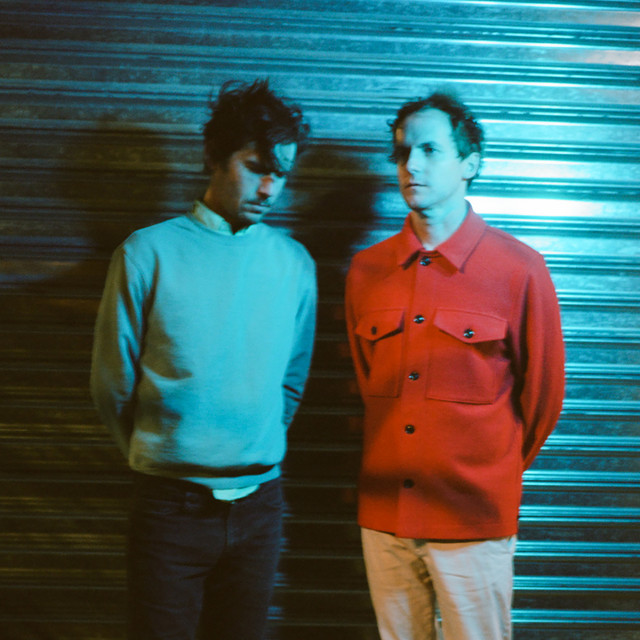
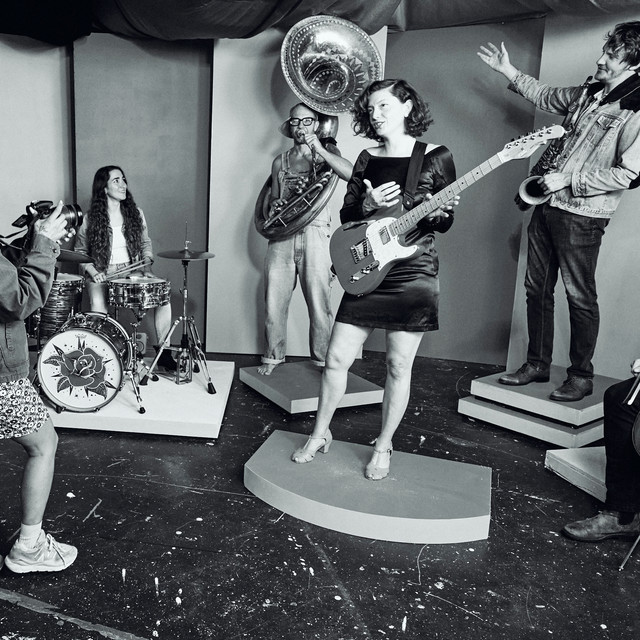
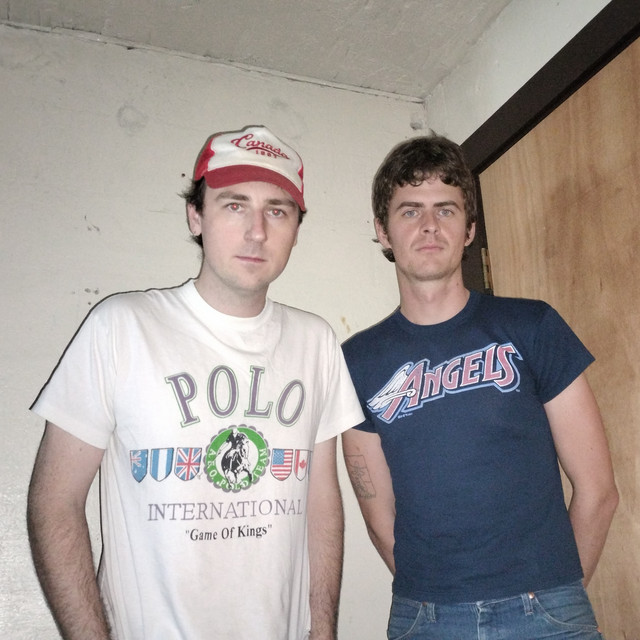
Key ambassadors and representative acts help sketch the sound. The Revivalists are one of the most widely known New Orleans indie acts: a horn-powered rock band whose songs combine soaring melodies with a robust brass presence and anthemic choruses. Their success helped put a distinctly New Orleans indie flavor on the map beyond the city’s traditional jazz and funk lines. The Generationals, a New Orleans-based indie pop duo, brought a lo-fi, jangly guitar sensibility to the scene with tight vocal harmonies and catchy, off-kilter rhythms. Caddywhompus, another homegrown act, leaned into experimental, math-influenced guitar work while weaving in the kind of playful, noisy energy that makes indie crowds lean in. These bands—along with other local groups that blend roots-informed grooves with modern indie aesthetics—are often cited as foundational voices of New Orleans indie, showing that the city’s brass can complement a chorus rather than merely support a horn solo.
What to listen for: a characteristic brass or horn layer that doesn’t overpower the song but colors it; a rhythm section that can switch from a tight, danceable groove to a more laid-back second-line swagger; jangly guitars or synths that bite rather than drone. Lyrically, many New Orleans indie acts trade in intimate storytelling, urban grit, and a sense of place—whether vivid street scenes or personal journeys set against a city that loves to celebrate and improvise.
Geographically, the genre is most popular in the United States, especially in New Orleans and the broader Gulf Coast region, but its appeal travels. It resonates with listeners who enjoy indie rock’s freshness and who relish the city’s musical identity. From there, bands tour nationally and internationally, finding audiences in Canada, the UK, and parts of Europe through touring, festivals, and streaming.
If you’re exploring this scene for the first time, start with The Revivalists’ horn-rich anthems, then dive into the Generationals’ crisp indie pop, and explore Caddywhompus’ more adventurous textures. You’ll hear a shared love of inventive arrangements and a lifelong conversation with New Orleans’ musical past, reimagined through a modern indie lens.
The “birth” of this approach is informal and gradual. New Orleans has always been a proving ground for genre-blending: local scenes absorbed jazz improvisation, Creole and Cajun music, and funk, then reimagined them in contemporary forms. In the 2000s, a cohort of artists began pairing guitar-driven indie with horn sections, punchy rhythms, and street-smart lyricism. The result was a sound that felt both intimate and big, a cross-pollinated scene that could headline a club night and still feel at home in a festival main stage.
Key ambassadors and representative acts help sketch the sound. The Revivalists are one of the most widely known New Orleans indie acts: a horn-powered rock band whose songs combine soaring melodies with a robust brass presence and anthemic choruses. Their success helped put a distinctly New Orleans indie flavor on the map beyond the city’s traditional jazz and funk lines. The Generationals, a New Orleans-based indie pop duo, brought a lo-fi, jangly guitar sensibility to the scene with tight vocal harmonies and catchy, off-kilter rhythms. Caddywhompus, another homegrown act, leaned into experimental, math-influenced guitar work while weaving in the kind of playful, noisy energy that makes indie crowds lean in. These bands—along with other local groups that blend roots-informed grooves with modern indie aesthetics—are often cited as foundational voices of New Orleans indie, showing that the city’s brass can complement a chorus rather than merely support a horn solo.
What to listen for: a characteristic brass or horn layer that doesn’t overpower the song but colors it; a rhythm section that can switch from a tight, danceable groove to a more laid-back second-line swagger; jangly guitars or synths that bite rather than drone. Lyrically, many New Orleans indie acts trade in intimate storytelling, urban grit, and a sense of place—whether vivid street scenes or personal journeys set against a city that loves to celebrate and improvise.
Geographically, the genre is most popular in the United States, especially in New Orleans and the broader Gulf Coast region, but its appeal travels. It resonates with listeners who enjoy indie rock’s freshness and who relish the city’s musical identity. From there, bands tour nationally and internationally, finding audiences in Canada, the UK, and parts of Europe through touring, festivals, and streaming.
If you’re exploring this scene for the first time, start with The Revivalists’ horn-rich anthems, then dive into the Generationals’ crisp indie pop, and explore Caddywhompus’ more adventurous textures. You’ll hear a shared love of inventive arrangements and a lifelong conversation with New Orleans’ musical past, reimagined through a modern indie lens.