Genre
emo rap
Top Emo rap Artists
Showing 25 of 1,869 artists




About Emo rap
Emo rap is the intersection where confessional emotion meets melodic hip-hop. It blends the raw vulnerability and introspection of emo with the groove and cadence of rap, often layering moody guitar textures or melancholic synths over trap-influenced drums. The result is music that sounds pleader and defiant at once: hooks you can sing along to, lyrics that pry open the psyche, and atmospheres that feel like late-night drives through rain-soaked city streets.
The genre’s modern birth, if not a single moment, crystallized in the early to mid-2010s on the U.S. underground and SoundCloud scenes. It built on precursors who fused pop-punk temperament with hip-hop cadence, but found its public voice through artists who could turn heartbreak into songcraft. Kid Cudi’s late-2000s albums provided a blueprint for melancholic vulnerability in hip-hop, while the 2010s’ DIY digital networks allowed a wave of bedroom producers and rappers to cross-pollinate emo aesthetics with rap flows. Emo rap didn’t arrive as one polished scene; it grew from scattered movements, then coalesced into a recognisable sound and culture around melodic hooks, emotional honesty, and a stark, sometimes brutal honesty about mental health, loneliness, and substance use.
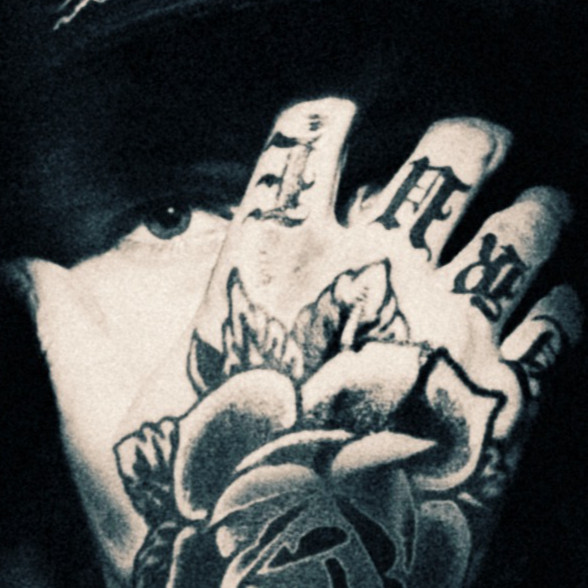
Among the ambassadors and defining figures, a few names stand out. Lil Peep is widely cited as a pioneer of emo rap, bridging melodic, guitar-laced textures with candid lyrics about heartbreak and drug use. His work, especially the Come Over When You’re Sober era, helped legitimize the mood and the look—tattoos, oversized hoodies, pastel aesthetics—that would become part of the genre’s identity. XXXTentacion expanded the emotional range with fragile ballad-rap, aggressive outbursts, and experimental production, drawing huge mainstream attention before his untimely death. Juice WRLD popularized a stream of melodic, freestyled lamentations—“Lucid Dreams” being a flagship track—that underscored how emo-inflected rap could achieve massive commercial success. Trippie Redd, with his emotive vocal carries and cinematic hooks, expanded the spectrum of vocal styles in emo rap. Then there are acts like $uicideboy$, who lean darker and more noir, and Ghostemane, who fused industrial and metal textures with hip-hop energy to push the heavier edge of the genre. Beyond the U.S., the mood and approach resonated globally—artists and fans in Europe, Latin America, and Asia embraced the style, contributing to a worldwide emo-rap ecosystem.
Geographically, emo rap has been most popular in the United States, especially among younger listeners drawn to its confessional honesty and meme-friendly aesthetics. It also found significant scenes in the UK, Germany, Brazil, and parts of Scandinavia and East Asia, where fans connect through streaming platforms, DIY venues, and online communities. The genre’s appeal lies in its honesty and immediacy: it treats heartbreak, anxiety, and doubt as currency, while still delivering the infectious energy of a modern rap track.
For enthusiasts, emo rap offers a bridge between two worlds: the cathartic cathode of emo’s lyricism and the rhythm-driven pulse of hip-hop. It’s a landscape of vulnerability sung over bass-heavy grooves, an ongoing conversation about what it means to feel deeply in a world that moves fast.
The genre’s modern birth, if not a single moment, crystallized in the early to mid-2010s on the U.S. underground and SoundCloud scenes. It built on precursors who fused pop-punk temperament with hip-hop cadence, but found its public voice through artists who could turn heartbreak into songcraft. Kid Cudi’s late-2000s albums provided a blueprint for melancholic vulnerability in hip-hop, while the 2010s’ DIY digital networks allowed a wave of bedroom producers and rappers to cross-pollinate emo aesthetics with rap flows. Emo rap didn’t arrive as one polished scene; it grew from scattered movements, then coalesced into a recognisable sound and culture around melodic hooks, emotional honesty, and a stark, sometimes brutal honesty about mental health, loneliness, and substance use.
Among the ambassadors and defining figures, a few names stand out. Lil Peep is widely cited as a pioneer of emo rap, bridging melodic, guitar-laced textures with candid lyrics about heartbreak and drug use. His work, especially the Come Over When You’re Sober era, helped legitimize the mood and the look—tattoos, oversized hoodies, pastel aesthetics—that would become part of the genre’s identity. XXXTentacion expanded the emotional range with fragile ballad-rap, aggressive outbursts, and experimental production, drawing huge mainstream attention before his untimely death. Juice WRLD popularized a stream of melodic, freestyled lamentations—“Lucid Dreams” being a flagship track—that underscored how emo-inflected rap could achieve massive commercial success. Trippie Redd, with his emotive vocal carries and cinematic hooks, expanded the spectrum of vocal styles in emo rap. Then there are acts like $uicideboy$, who lean darker and more noir, and Ghostemane, who fused industrial and metal textures with hip-hop energy to push the heavier edge of the genre. Beyond the U.S., the mood and approach resonated globally—artists and fans in Europe, Latin America, and Asia embraced the style, contributing to a worldwide emo-rap ecosystem.
Geographically, emo rap has been most popular in the United States, especially among younger listeners drawn to its confessional honesty and meme-friendly aesthetics. It also found significant scenes in the UK, Germany, Brazil, and parts of Scandinavia and East Asia, where fans connect through streaming platforms, DIY venues, and online communities. The genre’s appeal lies in its honesty and immediacy: it treats heartbreak, anxiety, and doubt as currency, while still delivering the infectious energy of a modern rap track.
For enthusiasts, emo rap offers a bridge between two worlds: the cathartic cathode of emo’s lyricism and the rhythm-driven pulse of hip-hop. It’s a landscape of vulnerability sung over bass-heavy grooves, an ongoing conversation about what it means to feel deeply in a world that moves fast.