Genre
nigerian drill
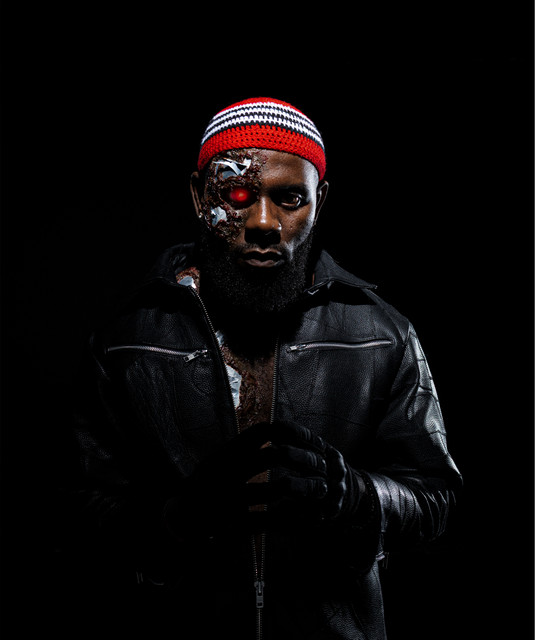
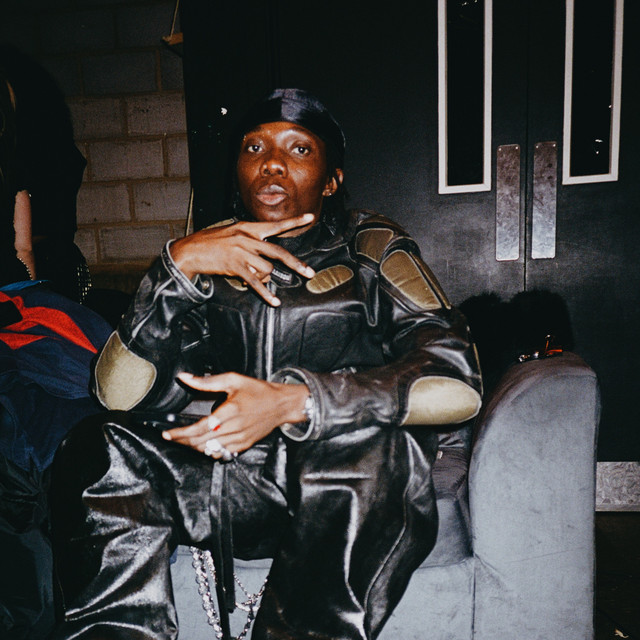
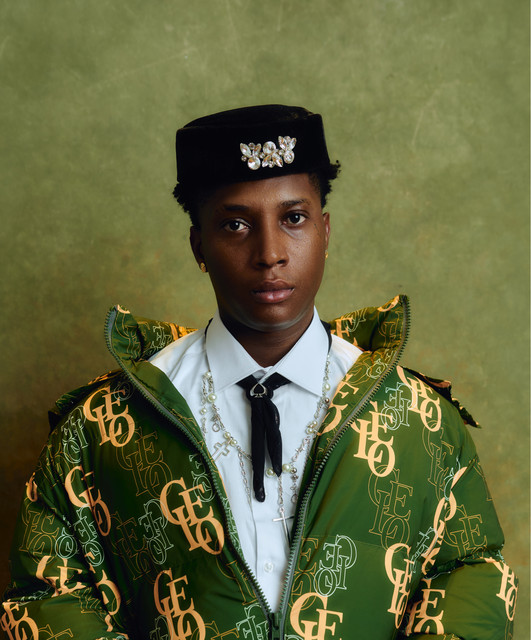
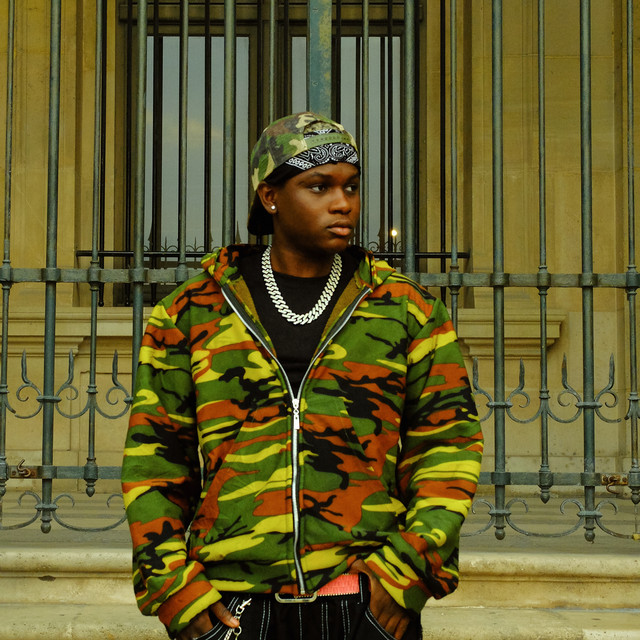
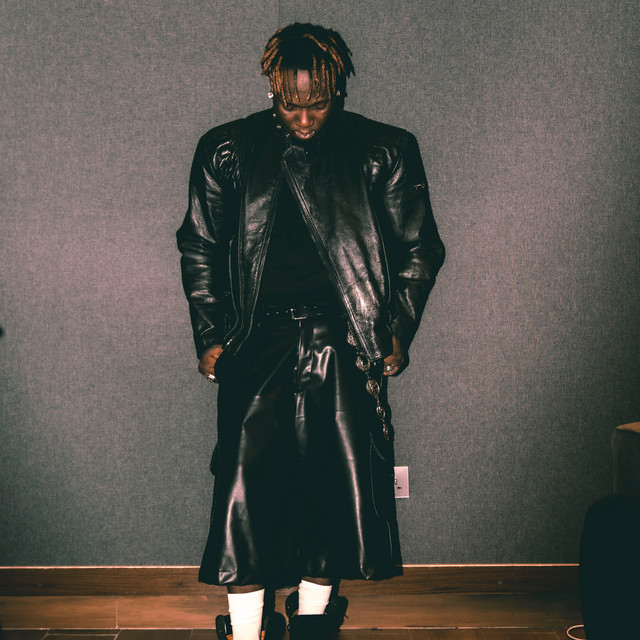
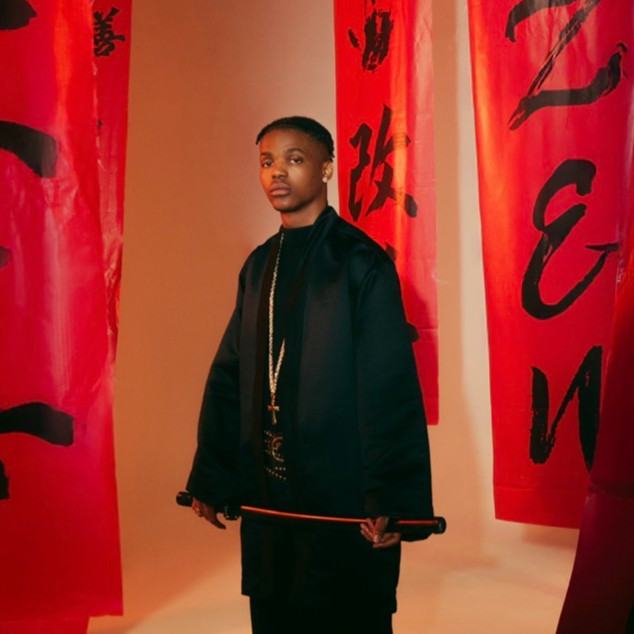
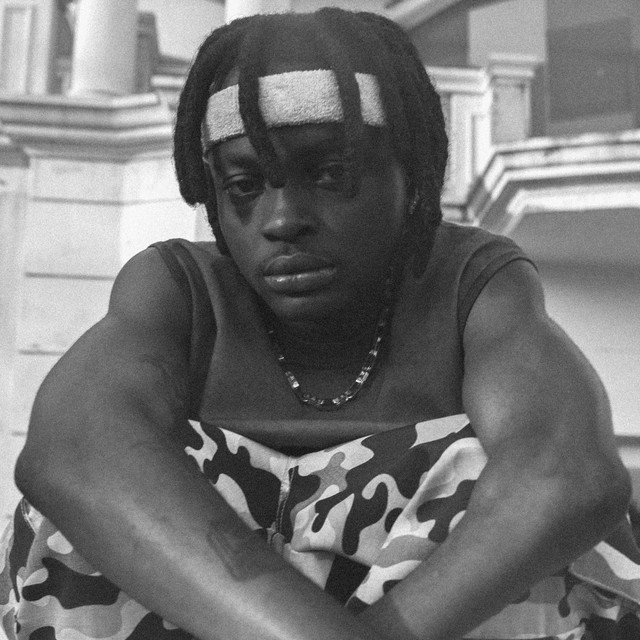
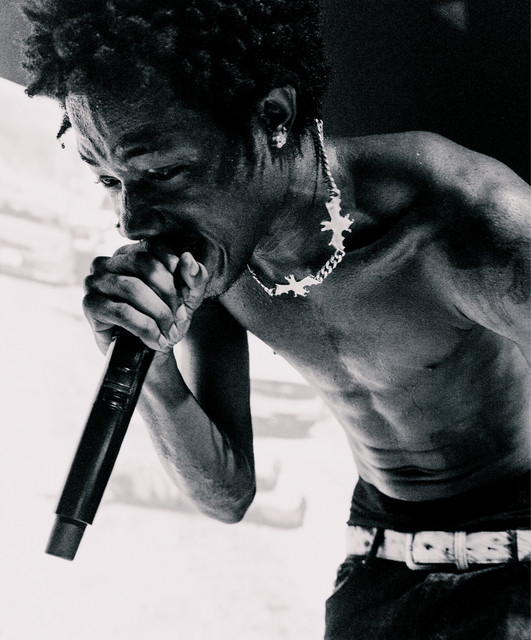
Top Nigerian drill Artists
Showing 25 of 156 artists


About Nigerian drill
Nigerian drill, often called Naija drill, is a vibrant, street-forward offshoot of the global drill music family. It blends the hard-edged timbres of UK drill with distinctly Nigerian rhythms, slang, and languages, creating a sound that feels both familiar to drill followers and uniquely local. The result is music that hits hard, moves with urgency, and speaks in the everyday language of Lagos, Port Harcourt, Kano, and the Nigerian diaspora abroad.
Birth and evolution
Drill’s international footprint began in the UK in the early to mid-2010s, but Nigerian drill emerged as its own recognizable movement toward the late 2010s. It grew out of youth scenes in Nigerian cities where producers and artists started pairing the skeleton of drill—punchy 808 bass lines, snappy snares, aggressive hi-hats—with Nigerian street storytelling and multilingual verses. The genre quickly found a home on streaming platforms, YouTube channels, and social media, enabling rapid cross-pollination between Lagos clubs, London studios, and diaspora hubs in Europe and North America. By the early 2020s, Naija drill had established a dedicated fanbase and a recognizable sonic vocabulary: tight, hard-hitting instrumentals; rapid-fire flows; chants and ad-libs that echo in both the club and the street.
Sound and structure
Naija drill tends to sit around the same tempo range as its UK cousin, but the articulation often leans into Nigerian linguistic rhythms. Tracks commonly feature:
- A muscular low-end and crisp, stinging snares, with rapid hi-hat patterns.
- Flows that shift between English, Pidgin, Yoruba, Igbo, or a mix of Nigerian languages, giving each track a distinct local flavor.
- Lyrical themes centered on street credibility, hustle, rivalries, social realities, and personal resilience.
- Production that sometimes borrows from Afrobeat, Afro-fusion, or street-rap textures, creating a hybrid feel that is both danceable and confrontational.
The result is music that can feel urgent and gritty, yet still highly listenable on headphones, club sound systems, or in a car ride.
Geography of popularity
Nigerian drill is most strongly associated with:
- Nigeria itself, especially Lagos and other urban centers where the sound grew out of local scenes.
- The United Kingdom, where the Nigerian diaspora and cross-cultural collaborations helped shape and popularize the style.
Beyond these hubs, Naija drill enjoys growing followings in other parts of Africa, as well as in North America and parts of Europe, where fans connect through streaming, videos, and live events. Its global reach is aided by online platforms that showcase cross-border collaborations, remixes, and new regional variants.
Ambassadors and key acts
Naija drill currently features a wave of artists and producers who act as frontline ambassadors, blending drill’s raw intensity with Nigerian linguistic and cultural expression. These acts often operate across Lagos and London, linking local street storytelling with international drill aesthetics. The scene is dynamic, with new names and collaborations continually reshaping who’s “in” and what’s considered the core sound.
If you’d like, I can tailor this description to spotlight specific artists or crews you consider central to the Naija drill scene, or I can look up current representatives and milestones to include precise names and tracks.
Birth and evolution
Drill’s international footprint began in the UK in the early to mid-2010s, but Nigerian drill emerged as its own recognizable movement toward the late 2010s. It grew out of youth scenes in Nigerian cities where producers and artists started pairing the skeleton of drill—punchy 808 bass lines, snappy snares, aggressive hi-hats—with Nigerian street storytelling and multilingual verses. The genre quickly found a home on streaming platforms, YouTube channels, and social media, enabling rapid cross-pollination between Lagos clubs, London studios, and diaspora hubs in Europe and North America. By the early 2020s, Naija drill had established a dedicated fanbase and a recognizable sonic vocabulary: tight, hard-hitting instrumentals; rapid-fire flows; chants and ad-libs that echo in both the club and the street.
Sound and structure
Naija drill tends to sit around the same tempo range as its UK cousin, but the articulation often leans into Nigerian linguistic rhythms. Tracks commonly feature:
- A muscular low-end and crisp, stinging snares, with rapid hi-hat patterns.
- Flows that shift between English, Pidgin, Yoruba, Igbo, or a mix of Nigerian languages, giving each track a distinct local flavor.
- Lyrical themes centered on street credibility, hustle, rivalries, social realities, and personal resilience.
- Production that sometimes borrows from Afrobeat, Afro-fusion, or street-rap textures, creating a hybrid feel that is both danceable and confrontational.
The result is music that can feel urgent and gritty, yet still highly listenable on headphones, club sound systems, or in a car ride.
Geography of popularity
Nigerian drill is most strongly associated with:
- Nigeria itself, especially Lagos and other urban centers where the sound grew out of local scenes.
- The United Kingdom, where the Nigerian diaspora and cross-cultural collaborations helped shape and popularize the style.
Beyond these hubs, Naija drill enjoys growing followings in other parts of Africa, as well as in North America and parts of Europe, where fans connect through streaming, videos, and live events. Its global reach is aided by online platforms that showcase cross-border collaborations, remixes, and new regional variants.
Ambassadors and key acts
Naija drill currently features a wave of artists and producers who act as frontline ambassadors, blending drill’s raw intensity with Nigerian linguistic and cultural expression. These acts often operate across Lagos and London, linking local street storytelling with international drill aesthetics. The scene is dynamic, with new names and collaborations continually reshaping who’s “in” and what’s considered the core sound.
If you’d like, I can tailor this description to spotlight specific artists or crews you consider central to the Naija drill scene, or I can look up current representatives and milestones to include precise names and tracks.