Data may be outdated
Last updated: 2 weeks ago — Click refresh to get the latest statistics.
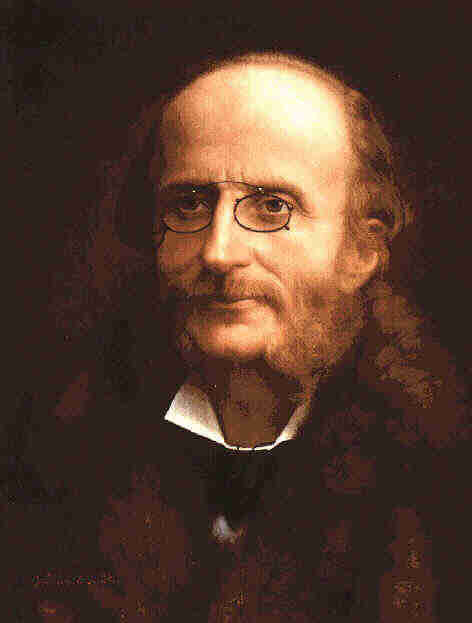
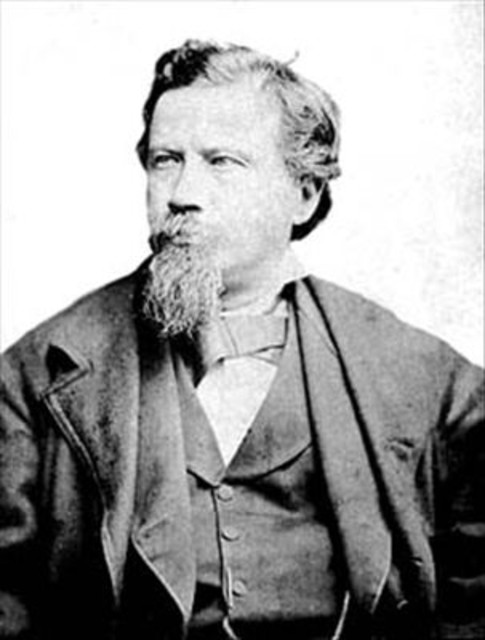
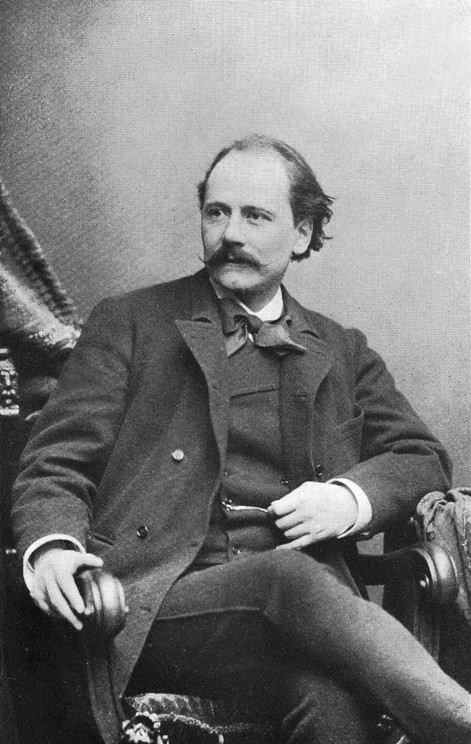
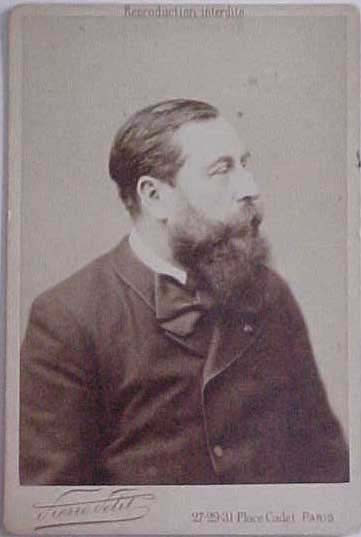
Delibes learned the rudiments of music from his mother, the daughter of an opera singer, and her uncle, the organist Edouard Batiste. His father died in 1847, and the family relocated to Paris, where he studied at the Paris Conservatory under <a href="spotify:artist:71VUVLmoTKKYfIugkavMeS">Adam</a>. He also sang in the choir of Ste. Marie-Madeleine as a teenager and became organist at St. Pierre-de-Chaillot in 1853, the same year he became accompanist and chorus master at the Théâtre-Lyrique. There he assisted in productions of operas by <a href="spotify:artist:42Vmza0WYHdhsgxFmf9Tui">Gounod</a>, <a href="spotify:artist:2D7RkvtKKb6E5UmbjQM1Jd">Bizet</a>, and <a href="spotify:artist:11T8SOX82xraocZzUXzkvM">Berlioz</a>. Delibes moved to the same position at the prestigious Paris Opéra ten years later, although he remained a church organist until 1871.
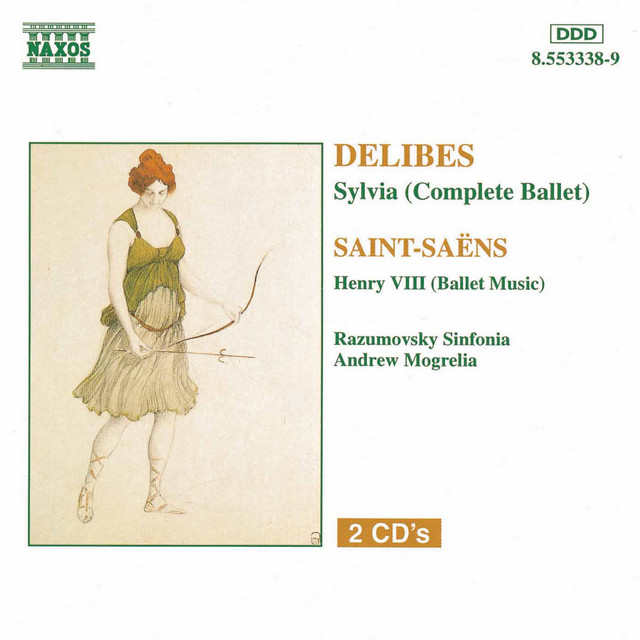
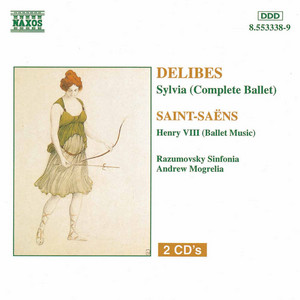
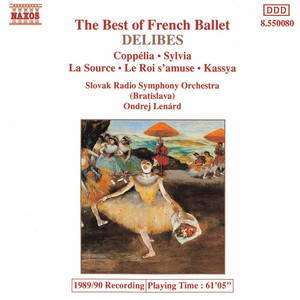
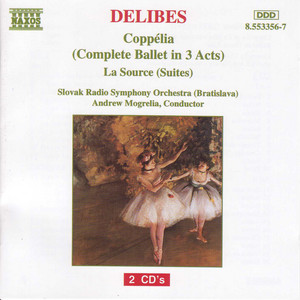
The emerging composer concentrated on lighthearted operettas and farces in the manner of <a href="spotify:artist:4OihBPCQzR4GfbzqOY69Xm">Offenbach</a>, many of them for <a href="spotify:artist:4OihBPCQzR4GfbzqOY69Xm">Offenbach</a>'s Bouffes-Parisiens theater. This first of these was Deux sous de charbon, produced in 1856. His first opportunity to work on a large ballet score came in 1866 at the Opéra, when he collaborated with <a href="spotify:artist:6c9HjJ2cYmFsUUkjkcL1iD">Ludwig Minkus</a> on La Source. The success of this ballet led eventually to commissions for the two works that would again raise ballet music to its highest level yet: Coppélia (1870), based on a story of <a href="spotify:artist:0RO6COslAWRZZBGgqbG615">E.T.A. Hoffmann</a>, and Sylvia (1876), based on a mythological theme. The former is still produced regularly, and both light, graceful works generated concert suites that, although not as common in the concert hall as they once were, have been frequently recorded. The two ballets' significance, beyond their own merits, is the direct influence they had on <a href="spotify:artist:3MKCzCnpzw3TjUYs2v7vDA">Tchaikovsky</a>, whose mastery of the symphonic ballet owes everything to Coppélia and Sylvia.
Meanwhile, Delibes also honed his skill as an opera composer once his last operetta, L’écossais de Chatou, appeared in 1869. Most notable are his opéra comique Le Roi l'a dit (1873) and his more serious, exotic Lakmé (1883). The lasting appeal of Lakmé comes from its melodic charm and the colorful orchestration that enhances the story's Asian setting. Delibes' church music has fallen by the wayside, as have most of his colorful songs, apart from Les Filles de Cadiz, which exudes the same Franco-Spanish air as <a href="spotify:artist:2D7RkvtKKb6E5UmbjQM1Jd">Bizet</a>'s Carmen. Delibes' great success as a composer of music for the theater in the 1870s and early 1880s gained him a professorship in composition at the conservatory in 1881, and membership in the French Institute in 1884. When he died in 1891, Delibes left one final opera, Kassya, complete except for the orchestration; that was done by <a href="spotify:artist:1AoIc5YFH0aSFc4mKqBEeB">Massenet</a> for its 1893 premiere. ~ James Reel & Patsy Morita, Rovi
Monthly Listeners
1.0 million
Monthly Listeners History
Track the evolution of monthly listeners over the last 28 days.
Followers
73,916
Followers History
Track the evolution of followers over the last 28 days.
Total Streams
1.0 billion
Total Streams History
Track the evolution of total streams over the last 28 days. This data is calculated from all tracks listed in the artist's discography.