Genre
palestinian pop
Top Palestinian pop Artists
Showing 22 of 22 artists






About Palestinian pop
Palestinian pop is a contemporary music strand that sits at the crossroads of deep-rooted local traditions and global pop sensibilities. It began taking shape in the late 1990s and early 2000s, as Palestinian artists in the West Bank, Gaza, and the wider diaspora started to fuse accessible pop songcraft with elements of dabke rhythms, traditional melodies, and Arabic lyricism. The result is a sound that feels both familiar to Arab pop listeners and distinct in its emphasis on place, memory, and everyday resilience.
Musically, Palestinian pop is characterized by melodic hooks, verse-chorus structures, and a production approach that blends electronic textures with acoustic color. You’ll hear synths and drum machines alongside traditional instruments like the oud, violin, darbuka, and qanun, creating a bridge between the modern and the timeless. Lyrically, the songs often speak of home and displacement, love and longing, social life in the city, and the political realities of life in Palestine—yet the emphasis remains on universal pop themes that invite broad listening.
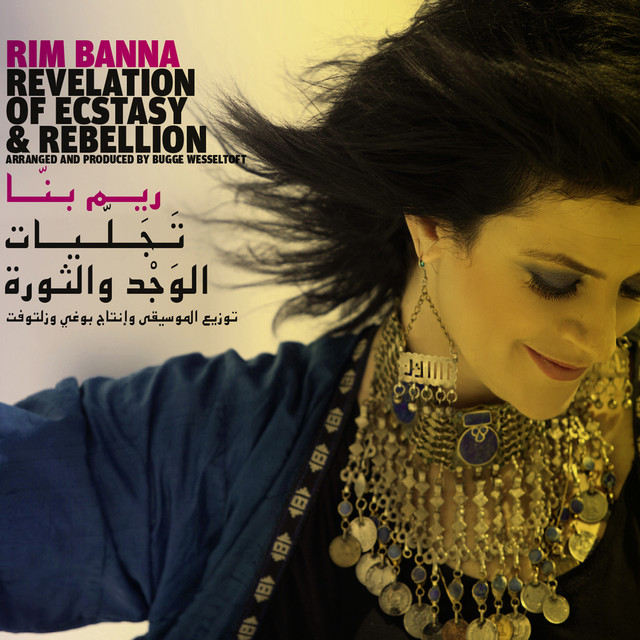
A handful of artists have become ambassadors for the modern Palestinian pop sound. Mohammed Assaf, who catapulted to international fame after winning Arab Idol in 2013, is widely regarded as a defining face of Palestinian pop on the global stage. His voice brought Palestinian songs and sensibilities into households across the Arab world and beyond, demonstrating how Palestinian identity can mingle with mainstream pop success. Rim Banna, a towering figure in Palestinian music, blended folk-inflected melodies with contemporary arrangements, expanding the reach of Palestinian storytelling through a pop-flavored lens that appealed to listeners far outside Palestine. Her repertoire—from intimate solo performances to larger collaborative projects—has helped shape the emotional vocabulary of the genre for a generation of fans.
Palestinian pop also thrives in the broader world-music and diaspora circuits. Artists rooted in Palestine or of Palestinian descent contribute to a transnational soundscape, performing in venues across Jordan, Lebanon, and Europe, and reaching audiences in North America and beyond through festival appearances and streaming platforms. In this sense, the genre is as much about community and diaspora as it is about a single national sound.
Languages and dialects are another distinctive feature. Most Palestinian pop songs are sung in Arabic, often in the Palestinian dialect, which lends an immediacy and authenticity to the music. Some artists incorporate English phrases or bilingual lyrics, reflecting the global reach of the music scene and the experiences of expatriate communities.
In terms of reception, Palestinian pop remains most popular where Palestinian audiences live—within the Palestinian territories and among the expansive Arab diaspora. It also finds receptive ears among world-music enthusiasts and pop listeners who seek music that blends contemporary production with a strong sense of place and identity. For listeners who enjoy pop with emotional depth and cultural texture, Palestinian pop offers a vibrant, evolving palette: songs that are at once catchy and meaningful, traditional and modern, intimate and outward-looking.
Musically, Palestinian pop is characterized by melodic hooks, verse-chorus structures, and a production approach that blends electronic textures with acoustic color. You’ll hear synths and drum machines alongside traditional instruments like the oud, violin, darbuka, and qanun, creating a bridge between the modern and the timeless. Lyrically, the songs often speak of home and displacement, love and longing, social life in the city, and the political realities of life in Palestine—yet the emphasis remains on universal pop themes that invite broad listening.
A handful of artists have become ambassadors for the modern Palestinian pop sound. Mohammed Assaf, who catapulted to international fame after winning Arab Idol in 2013, is widely regarded as a defining face of Palestinian pop on the global stage. His voice brought Palestinian songs and sensibilities into households across the Arab world and beyond, demonstrating how Palestinian identity can mingle with mainstream pop success. Rim Banna, a towering figure in Palestinian music, blended folk-inflected melodies with contemporary arrangements, expanding the reach of Palestinian storytelling through a pop-flavored lens that appealed to listeners far outside Palestine. Her repertoire—from intimate solo performances to larger collaborative projects—has helped shape the emotional vocabulary of the genre for a generation of fans.
Palestinian pop also thrives in the broader world-music and diaspora circuits. Artists rooted in Palestine or of Palestinian descent contribute to a transnational soundscape, performing in venues across Jordan, Lebanon, and Europe, and reaching audiences in North America and beyond through festival appearances and streaming platforms. In this sense, the genre is as much about community and diaspora as it is about a single national sound.
Languages and dialects are another distinctive feature. Most Palestinian pop songs are sung in Arabic, often in the Palestinian dialect, which lends an immediacy and authenticity to the music. Some artists incorporate English phrases or bilingual lyrics, reflecting the global reach of the music scene and the experiences of expatriate communities.
In terms of reception, Palestinian pop remains most popular where Palestinian audiences live—within the Palestinian territories and among the expansive Arab diaspora. It also finds receptive ears among world-music enthusiasts and pop listeners who seek music that blends contemporary production with a strong sense of place and identity. For listeners who enjoy pop with emotional depth and cultural texture, Palestinian pop offers a vibrant, evolving palette: songs that are at once catchy and meaningful, traditional and modern, intimate and outward-looking.