Genre
kora
Top Kora Artists
Showing 25 of 45 artists








About Kora
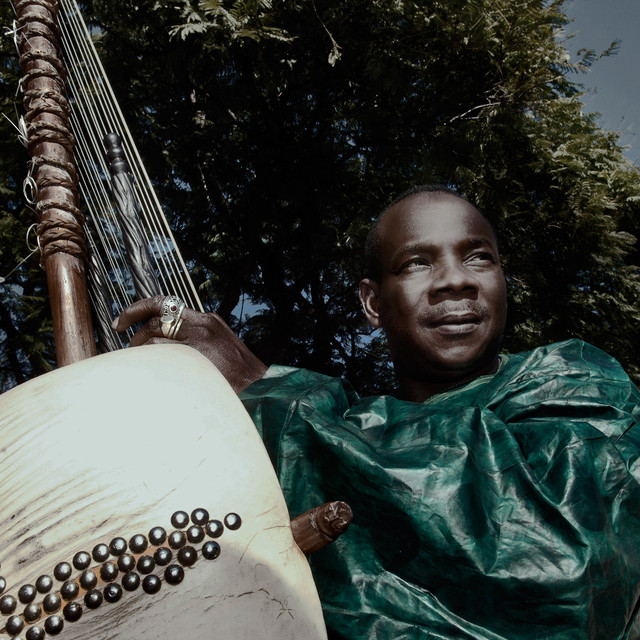
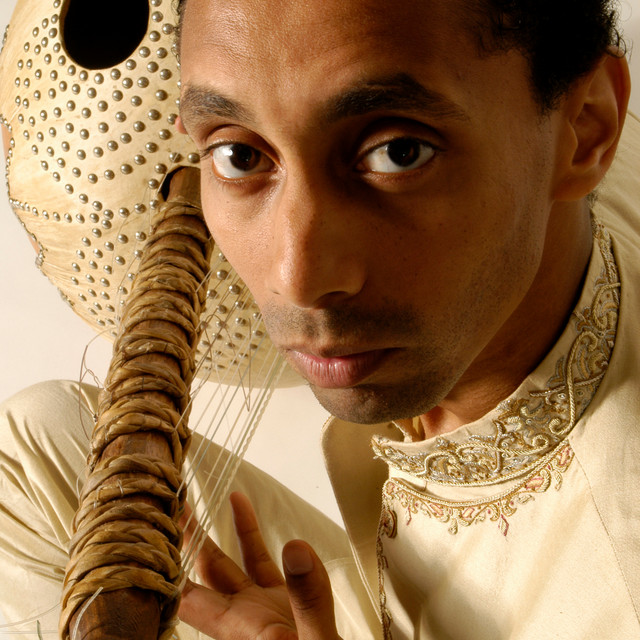
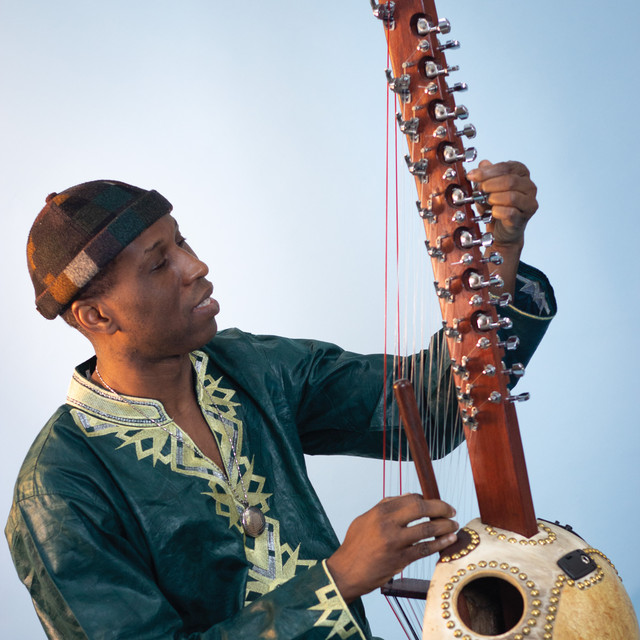
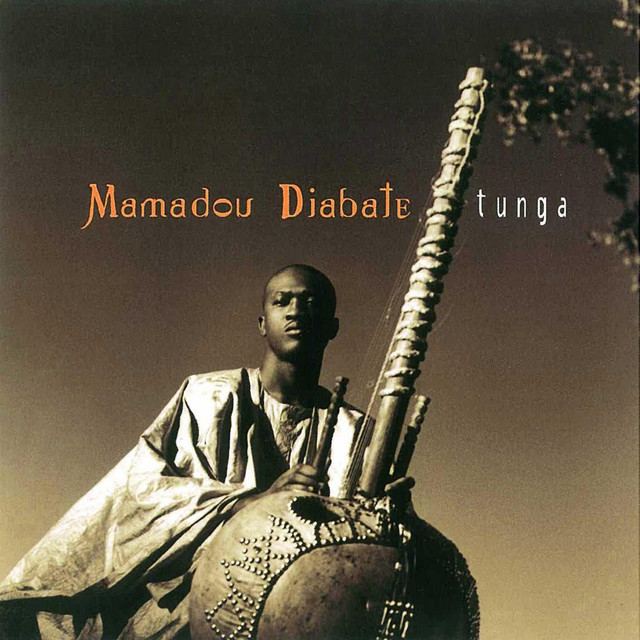
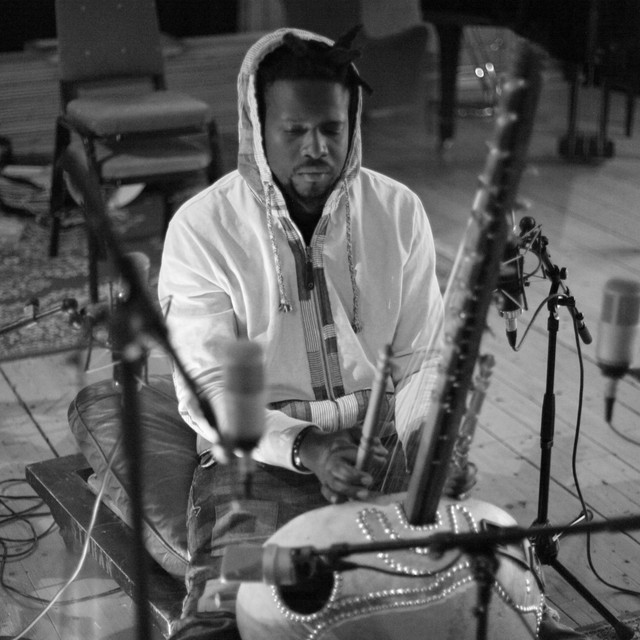
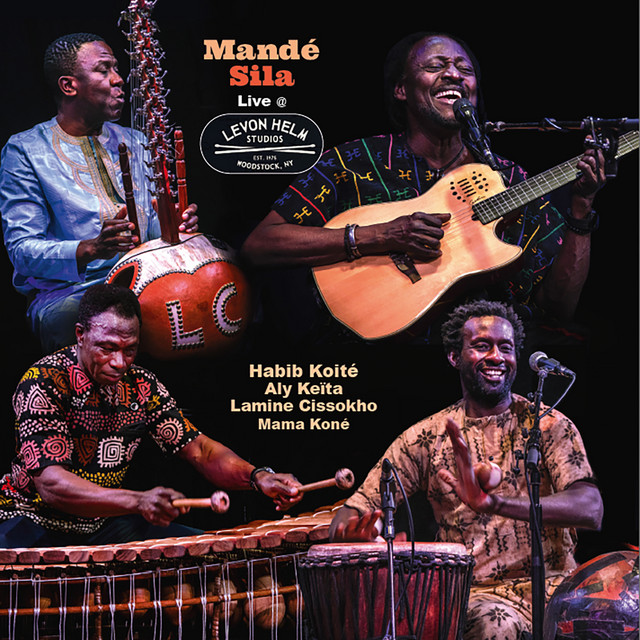
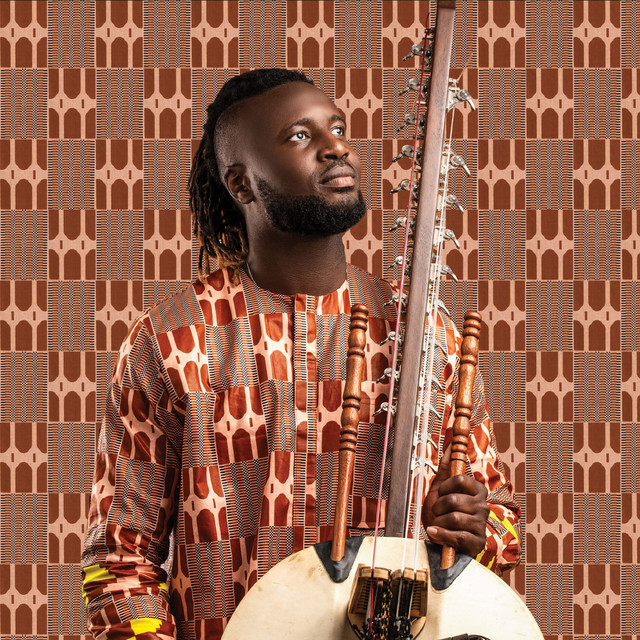
Few sounds capture the soul of West Africa as vividly as the kora. This 21-string harp-lute, with a long neck and a large calabash resonator, is played by griots and jeli—the hereditary storytellers who preserve genealogies and narrate history through song. Rooted in the Mandé cultures of Mali, Senegal, The Gambia and Guinea, the kora has become a symbol of memory, ceremony, and everyday life. It sits at the crossing of tradition and invention, evolving with new styles and collaborations.
Origins are ancient and debated; most scholars place the kora's modern form in the Mali-Senegalese belt during the medieval era, roughly between the 13th and 16th centuries, when stringed lutes with resonant calabash bodies began to coalesce into a distinct instrument. It grew within jeli culture, players who travel to court and village, accompanying songs with complex interlocking parts—bass ostinatos undergirding lilting melodies above. Performances emphasize improvisation, call-and-response, and the rapid, intricate thumb-and-finger picking that gives the kora its shimmer.
Musically, the repertoire blends praise songs, genealogies, love tunes, and epics. The kuma style features repeating bass patterns and chorus-like calls, while solo pieces explore cascading arpeggios and counterlines. In ensembles, the kora weaves with djembe, dun dun and voice, creating a tapestry that can feel ceremonial or intimate. Its microtonal slides, tremolos, and capacity for intimate whisper or grand statement keep it responsive to tradition and experiment.
Among contemporary ambassadors, Toumani Diabaté stands as one of the most recognizable voices of the kora, bringing Malian jeli repertoire to concert halls and cross-cultural collaborations. Ballaké Sissoko, his countryman, has likewise carried the instrument into intimate duet albums and sonic experiments that honor memory and friendship. Seckou Keita, a celebrated virtuoso born in Senegal and raised across the region, has helped popularize the kora through adventurous duets and collaborations with artists from world music and beyond. Sidiki Diabaté, a younger figure with a strong online presence, continues the family tradition and has helped reach new audiences. These artists — and many others in Mali, Senegal and the Gambia — have expanded the kora from regional courtly music into a global voice.
Geographically, the kora is most at home in Mali, Senegal, The Gambia, and Guinea, where it remains central to ceremonies and the jeli tradition. It is heard in urban centers and rural villages alike, and has migrated through diaspora communities to France, the United States, the United Kingdom and beyond, where world-music audiences encounter it in concerts, festivals, and fusion projects. Modern recordings fuse kora with jazz, electronica, and other African styles, while traditional griot performances keep genealogies alive, praising ancestors and guiding listeners through history with every plucked note.
Whether as a meditative solo instrument or as a bright interlocutor in ensemble, the kora carries a centuries-long history while continuing to adapt to new audiences. It invites admiration for craftsmanship—the delicate bridge pins, the soundboard's goatskin, the nuanced tuning of 21 strings—and a lasting curiosity about a musical culture that treats memory as music itself.
Origins are ancient and debated; most scholars place the kora's modern form in the Mali-Senegalese belt during the medieval era, roughly between the 13th and 16th centuries, when stringed lutes with resonant calabash bodies began to coalesce into a distinct instrument. It grew within jeli culture, players who travel to court and village, accompanying songs with complex interlocking parts—bass ostinatos undergirding lilting melodies above. Performances emphasize improvisation, call-and-response, and the rapid, intricate thumb-and-finger picking that gives the kora its shimmer.
Musically, the repertoire blends praise songs, genealogies, love tunes, and epics. The kuma style features repeating bass patterns and chorus-like calls, while solo pieces explore cascading arpeggios and counterlines. In ensembles, the kora weaves with djembe, dun dun and voice, creating a tapestry that can feel ceremonial or intimate. Its microtonal slides, tremolos, and capacity for intimate whisper or grand statement keep it responsive to tradition and experiment.
Among contemporary ambassadors, Toumani Diabaté stands as one of the most recognizable voices of the kora, bringing Malian jeli repertoire to concert halls and cross-cultural collaborations. Ballaké Sissoko, his countryman, has likewise carried the instrument into intimate duet albums and sonic experiments that honor memory and friendship. Seckou Keita, a celebrated virtuoso born in Senegal and raised across the region, has helped popularize the kora through adventurous duets and collaborations with artists from world music and beyond. Sidiki Diabaté, a younger figure with a strong online presence, continues the family tradition and has helped reach new audiences. These artists — and many others in Mali, Senegal and the Gambia — have expanded the kora from regional courtly music into a global voice.
Geographically, the kora is most at home in Mali, Senegal, The Gambia, and Guinea, where it remains central to ceremonies and the jeli tradition. It is heard in urban centers and rural villages alike, and has migrated through diaspora communities to France, the United States, the United Kingdom and beyond, where world-music audiences encounter it in concerts, festivals, and fusion projects. Modern recordings fuse kora with jazz, electronica, and other African styles, while traditional griot performances keep genealogies alive, praising ancestors and guiding listeners through history with every plucked note.
Whether as a meditative solo instrument or as a bright interlocutor in ensemble, the kora carries a centuries-long history while continuing to adapt to new audiences. It invites admiration for craftsmanship—the delicate bridge pins, the soundboard's goatskin, the nuanced tuning of 21 strings—and a lasting curiosity about a musical culture that treats memory as music itself.