Genre
pinoy rock
Top Pinoy rock Artists
Showing 25 of 609 artists






About Pinoy rock
Pinoy rock is the Filipino rock music scene that turned Western rock energy into a distinctly local voice. It is not just a guitar-driven genre; it is a storytelling medium that blends Tagalog and Filipino languages with guitar hooks, drum drives, and a restless sense of youth, longing, and social observation. Over the decades it has grown from imported riffs into a living, evolving expression of Filipino identity, celebrated by enthusiasts for its melody, wit, and raw drive.
The roots reach back to the late 1960s and early 1970s, when Filipino musicians began grafting English rock onto local sensibilities. The scene coalesced around bands that could speak to everyday life in a language audiences could sing along to. The Juan de la Cruz Band is often cited as a foundational force, helping to establish a homegrown rock vocabulary that could address cultural realities and the political climate of the era. From there, Pinoy rock expanded in scope and language, moving from English-dominated rock toward a more Filipino-anchored sound.
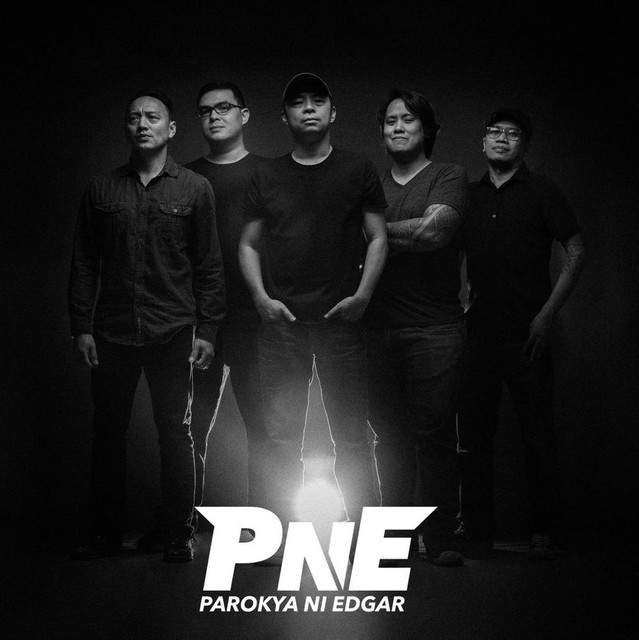
The 1980s and 1990s were a watershed for Pinoy rock. Filipino-language songs became more common on the airwaves, and a new generation of bands poured energy into the scene. The Eraserheads emerged as one of the era’s most influential ambassadors, combining sharp lyricism with memorable melodies and introspective storytelling. Their rise helped redefine what Filipino rock could be—playful, poignant, and unmistakably local. Rivermaya and Parokya ni Edgar followed soon after, broadening the palette with alternative rock, pop sensibilities, and a sense of humor. The 1990s also saw The Dawn helping to push arena-friendly rock into the mainstream, while other groups experimented with fusion, punk, and ballads within a Pinoy frame.
The turn of the century brought even more variety. Sponge Cola, Pupil, and Up Dharma Down (UDD) carried the torch into new textures—hooky indie-rock, darker alternative tones, and electronic-inflected arrangements—without losing the core of what makes Pinoy rock identifiable: strong melodies, expressive vocals, and Tagalog storytelling. The live scene flourished in Manila and spread to other cities such as Cebu and Davao, with clubs and festivals giving bands a platform to connect with devoted fans.
Today Pinoy rock continues to mutate while honoring its heritage. It thrives on a rich lineage—from the garage and stadium anthems of the 70s and 80s to the hook-laden, genre-blending acts of the present. Its ambassadors are many: legendary pioneers, English-language and Filipino-language bands, indie outfits, and crossover acts that bridge rock with pop, electronic, or folk textures. For enthusiasts, Pinoy rock is a living canvas of the Philippines’ modern musical identity—dynamic, inclusive, and ever ready to reinvent itself while keeping a strong sense of place, language, and heart. It remains most popular in the Philippines, with a robust following among Filipino communities abroad in the United States, Canada, the Middle East, and parts of Europe and Asia, where new fans discover its energy through concerts, radio, and streaming.
The roots reach back to the late 1960s and early 1970s, when Filipino musicians began grafting English rock onto local sensibilities. The scene coalesced around bands that could speak to everyday life in a language audiences could sing along to. The Juan de la Cruz Band is often cited as a foundational force, helping to establish a homegrown rock vocabulary that could address cultural realities and the political climate of the era. From there, Pinoy rock expanded in scope and language, moving from English-dominated rock toward a more Filipino-anchored sound.
The 1980s and 1990s were a watershed for Pinoy rock. Filipino-language songs became more common on the airwaves, and a new generation of bands poured energy into the scene. The Eraserheads emerged as one of the era’s most influential ambassadors, combining sharp lyricism with memorable melodies and introspective storytelling. Their rise helped redefine what Filipino rock could be—playful, poignant, and unmistakably local. Rivermaya and Parokya ni Edgar followed soon after, broadening the palette with alternative rock, pop sensibilities, and a sense of humor. The 1990s also saw The Dawn helping to push arena-friendly rock into the mainstream, while other groups experimented with fusion, punk, and ballads within a Pinoy frame.
The turn of the century brought even more variety. Sponge Cola, Pupil, and Up Dharma Down (UDD) carried the torch into new textures—hooky indie-rock, darker alternative tones, and electronic-inflected arrangements—without losing the core of what makes Pinoy rock identifiable: strong melodies, expressive vocals, and Tagalog storytelling. The live scene flourished in Manila and spread to other cities such as Cebu and Davao, with clubs and festivals giving bands a platform to connect with devoted fans.
Today Pinoy rock continues to mutate while honoring its heritage. It thrives on a rich lineage—from the garage and stadium anthems of the 70s and 80s to the hook-laden, genre-blending acts of the present. Its ambassadors are many: legendary pioneers, English-language and Filipino-language bands, indie outfits, and crossover acts that bridge rock with pop, electronic, or folk textures. For enthusiasts, Pinoy rock is a living canvas of the Philippines’ modern musical identity—dynamic, inclusive, and ever ready to reinvent itself while keeping a strong sense of place, language, and heart. It remains most popular in the Philippines, with a robust following among Filipino communities abroad in the United States, Canada, the Middle East, and parts of Europe and Asia, where new fans discover its energy through concerts, radio, and streaming.