Genre
fado
Top Fado Artists
Showing 25 of 1,492 artists







About Fado
Fado is Portugal’s emblematic, emotionally charged music, built on a simple but intense equation: a lone voice, a pair of guitars, and a story steeped in saudade—the Portuguese sense of longing, memory, and fate. It is music that speaks of love and loss, crossed by a keen awareness of life’s fragility, and it often leaves more unsaid than sung. The result is an art form that feels intimate in a room, yet universal in its ache.
The genre coalesced in the late 18th and early 19th centuries in Lisbon’s historic quarters, notably Alfama and Mouraria. There, taverns, balconies, and narrow streets became the stages for improvised ballads gathered from the streets, the sailors’ voyages, and the city’s social textures. By the 1830s and 1840s, fado had found its public, especially in the “casas de fado,” intimate venues where a fadista would perform with two guitars: the traditional Portuguese guitar (a 12-string instrument with a bright, metallic timbre) and a classical guitar (viola). The form spread to other urban centers, and, over time, diversified into regional flavors, including the martial, lyrical Fado de Coimbra, which is typically associated with university circles and often features a different instrumental balance, such as the lira de Coimbra.
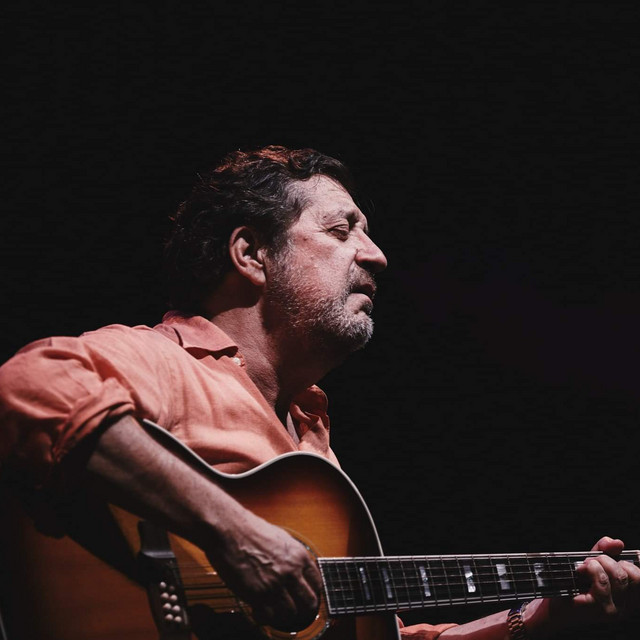
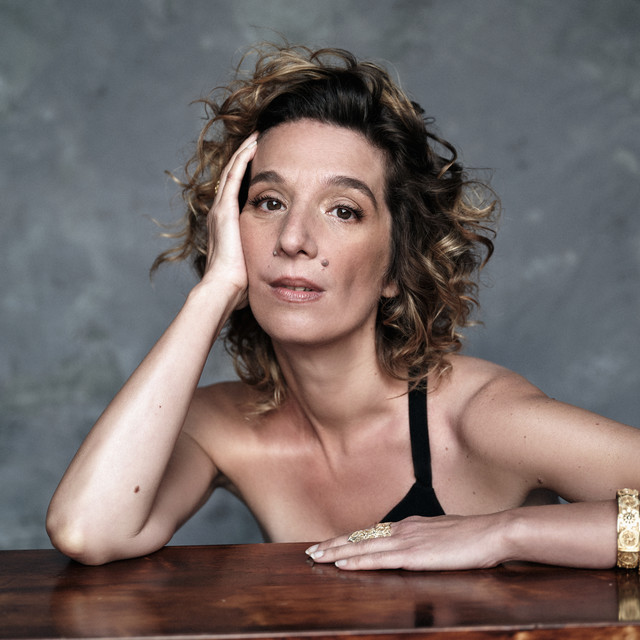
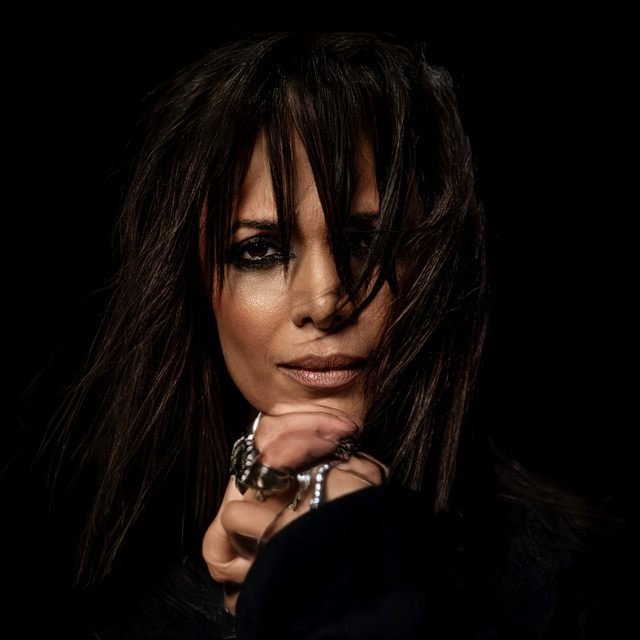
A few names anchor the history and the global memory of fado. Maria Severa Onofriana, a 19th-century icon, is frequently invoked as one of the earliest famous fadistas whose life stories fed the mythos of fado. Alfredo Marceneiro, a central figure of the early 20th century, helped codify the vocal and stylistic grammar that many later singers would follow. The postwar era exploded fado’s international profile through Amália Rodrigues, the towering ambassador who popularized the genre worldwide with a voice that could traverse tenderness, iron, and passion in a single breath. Later generations—Carlos do Carmo, who carried fado through the late 20th century; and contemporary stars such as Mariza, Ana Moura, and Camané—kept the tradition vital while inviting new listeners through bold interpretations and cross-cultural collaborations.
Today, fado is anchored in Portugal but resonates far beyond its borders. It is especially strong in Portugal and Brazil, where shared language and cultural ties keep the tradition live in concert halls, festivals, and intimate casas. In the Portuguese-speaking world and among global world-music communities, fado is celebrated for its emotional honesty, its poetic lyricism, and its capacity to adapt without losing its core identity. UNESCO recognized its cultural significance in 2011, declaring Fado as Intangible Cultural Heritage of Humanity, underscoring its role as a living art form that bridges generations and geographies.
For enthusiasts, exploring fado means listening for the saudade that threads through the voice, the conversational, almost whispered phrasing, and the guitar’s keening counterpoint. It’s not merely an musical style but a cultural practice—one that invites listeners to feel, reflect, and perhaps find a trace of their own longing in its unmistakable sound.
The genre coalesced in the late 18th and early 19th centuries in Lisbon’s historic quarters, notably Alfama and Mouraria. There, taverns, balconies, and narrow streets became the stages for improvised ballads gathered from the streets, the sailors’ voyages, and the city’s social textures. By the 1830s and 1840s, fado had found its public, especially in the “casas de fado,” intimate venues where a fadista would perform with two guitars: the traditional Portuguese guitar (a 12-string instrument with a bright, metallic timbre) and a classical guitar (viola). The form spread to other urban centers, and, over time, diversified into regional flavors, including the martial, lyrical Fado de Coimbra, which is typically associated with university circles and often features a different instrumental balance, such as the lira de Coimbra.
A few names anchor the history and the global memory of fado. Maria Severa Onofriana, a 19th-century icon, is frequently invoked as one of the earliest famous fadistas whose life stories fed the mythos of fado. Alfredo Marceneiro, a central figure of the early 20th century, helped codify the vocal and stylistic grammar that many later singers would follow. The postwar era exploded fado’s international profile through Amália Rodrigues, the towering ambassador who popularized the genre worldwide with a voice that could traverse tenderness, iron, and passion in a single breath. Later generations—Carlos do Carmo, who carried fado through the late 20th century; and contemporary stars such as Mariza, Ana Moura, and Camané—kept the tradition vital while inviting new listeners through bold interpretations and cross-cultural collaborations.
Today, fado is anchored in Portugal but resonates far beyond its borders. It is especially strong in Portugal and Brazil, where shared language and cultural ties keep the tradition live in concert halls, festivals, and intimate casas. In the Portuguese-speaking world and among global world-music communities, fado is celebrated for its emotional honesty, its poetic lyricism, and its capacity to adapt without losing its core identity. UNESCO recognized its cultural significance in 2011, declaring Fado as Intangible Cultural Heritage of Humanity, underscoring its role as a living art form that bridges generations and geographies.
For enthusiasts, exploring fado means listening for the saudade that threads through the voice, the conversational, almost whispered phrasing, and the guitar’s keening counterpoint. It’s not merely an musical style but a cultural practice—one that invites listeners to feel, reflect, and perhaps find a trace of their own longing in its unmistakable sound.