Genre
pop kreatif
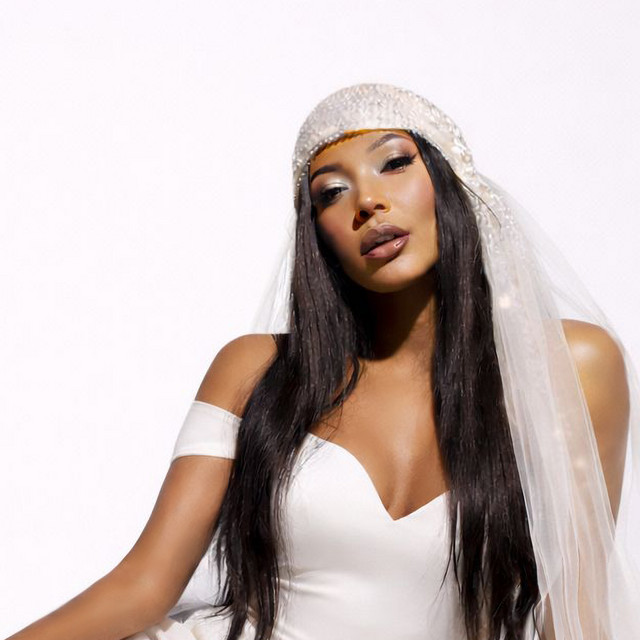
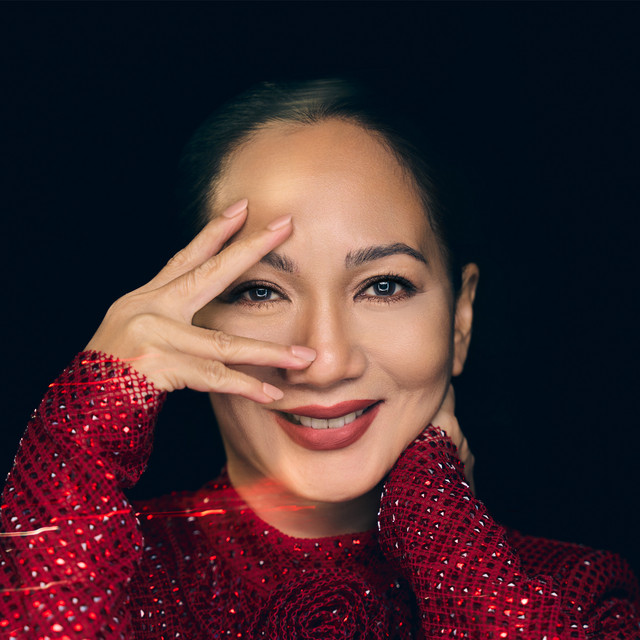
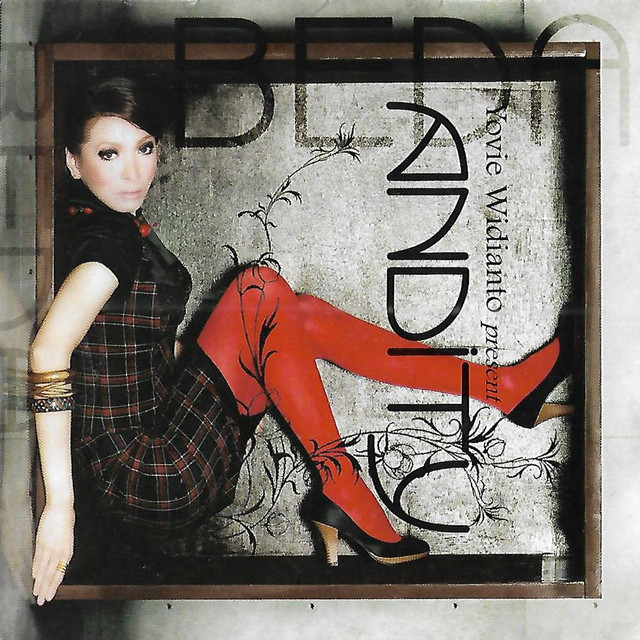
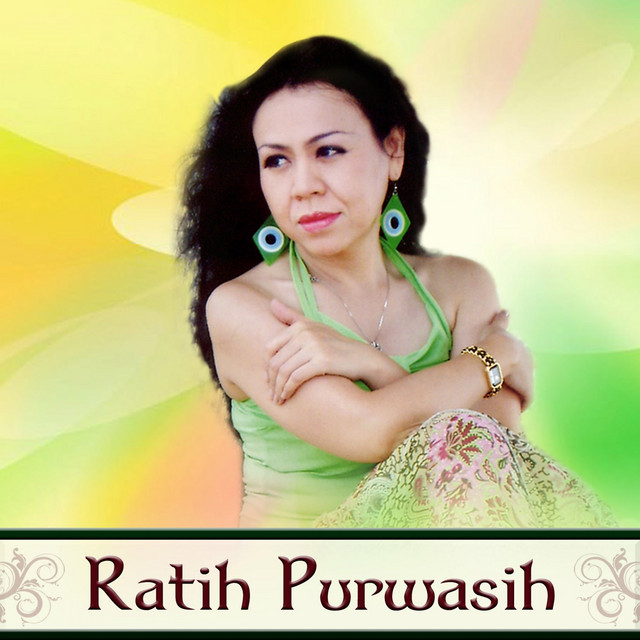
Top Pop kreatif Artists
Showing 25 of 164 artists









About Pop kreatif
Pop kreatif is a contemporary umbrella term used by listeners and critics to describe a branch of pop that leans into experimentation without sacrificing the clarity of a melody. It’s not a rigid lineage with a single manifesto; rather, it’s a loose ecosystem where adventurous songcraft collides with concept, image, and texture. Think pop songs that flirt with art-rock, dream pop, electronic experimentation, avant-garde production, and global influences, yet never abandon the listener’s desire for a memorable chorus or a distinctive mood.
How and when it was born is best seen as a gradual awakening rather than a single birth date. The roots reach back to art-pop pioneers of the late 20th century—artists who treated the studio as a canvas and the album as an articulated idea. In the 2000s and 2010s, the rise of accessible digital production, home studios, and streaming enabled a new generation to push pop toward more nuanced timbres, surprising structures, and multimedia presentation. In Southeast Asia and parts of Europe, critics and writers began using the term “pop kreatif” to describe acts that blended polished pop craft with creative risk-taking, often pairing adventurous sonics with cinematic visuals and concept-driven storytelling. Since then, the genre has evolved with each artist’s persona, producing a spectrum from glossy, radio-friendly tunes to cold, intricate soundscapes that reward repeated listens.
Sound and production are its driving forces. Pop kreatif frequently features strong melodic hooks embedded within unusual arrangements: shifting time signatures, layered synth textures, glitchy percussion, or orchestral touches that broaden the emotional palette. Vocals might be intimate and hushed or boldly theatrical, serving the song’s narrative as much as the hook. Production choices are just as important as lyrics—micro-dynamics, unusual reverb spaces, field recordings, and cross-genre collaborations (electro, ambient, and even classical elements) help create an immersive atmosphere. Lyrically, the approach ranges from personal and confessional to enigmatic and symbolic, inviting listeners to interpret meaning beyond the surface narrative. The genre also thrives on visual and performative aesthetics—music videos, stage design, and fashion become extensions of the music’s mood.
Key ambassadors and touchpoints span continents. In the broader art-pop and experimental-pop family, figures like Björk and Kate Bush are touchstones for fearless vocal and production experimentation; FKA Twigs, Grimes, and Charli XCX push pop toward futuristic, boundary-pushing landscapes; St. Vincent, Julia Holter, Arca, SOPHIE, and Perfume Genius explore genre-fluid textures with strong conceptual underpinnings. These artists embody the spirit of pop kreatif: rigorous craft, a willingness to defy convention, and a deep commitment to creating a distinctive sonic world. Their influence reverberates through contemporary acts who fuse indie sensibility with pop structure, often collaborating across disciplines—visual art, film, and fashion.
Geographically, pop kreatif is most vibrant in urban centers with robust indie and electronic scenes: parts of Europe (especially the UK, France, Germany), North America (notably the United States and Canada), and influential music hubs in Asia (Japan and parts of Southeast Asia). It has found a receptive audience among music enthusiasts who crave depth and experimentation without abandoning the appeal of strong melodies. For fans, pop kreatif offers a listening experience that rewards attentive listening and repeated exposure, while inviting fresh cultural perspectives with each release.
How and when it was born is best seen as a gradual awakening rather than a single birth date. The roots reach back to art-pop pioneers of the late 20th century—artists who treated the studio as a canvas and the album as an articulated idea. In the 2000s and 2010s, the rise of accessible digital production, home studios, and streaming enabled a new generation to push pop toward more nuanced timbres, surprising structures, and multimedia presentation. In Southeast Asia and parts of Europe, critics and writers began using the term “pop kreatif” to describe acts that blended polished pop craft with creative risk-taking, often pairing adventurous sonics with cinematic visuals and concept-driven storytelling. Since then, the genre has evolved with each artist’s persona, producing a spectrum from glossy, radio-friendly tunes to cold, intricate soundscapes that reward repeated listens.
Sound and production are its driving forces. Pop kreatif frequently features strong melodic hooks embedded within unusual arrangements: shifting time signatures, layered synth textures, glitchy percussion, or orchestral touches that broaden the emotional palette. Vocals might be intimate and hushed or boldly theatrical, serving the song’s narrative as much as the hook. Production choices are just as important as lyrics—micro-dynamics, unusual reverb spaces, field recordings, and cross-genre collaborations (electro, ambient, and even classical elements) help create an immersive atmosphere. Lyrically, the approach ranges from personal and confessional to enigmatic and symbolic, inviting listeners to interpret meaning beyond the surface narrative. The genre also thrives on visual and performative aesthetics—music videos, stage design, and fashion become extensions of the music’s mood.
Key ambassadors and touchpoints span continents. In the broader art-pop and experimental-pop family, figures like Björk and Kate Bush are touchstones for fearless vocal and production experimentation; FKA Twigs, Grimes, and Charli XCX push pop toward futuristic, boundary-pushing landscapes; St. Vincent, Julia Holter, Arca, SOPHIE, and Perfume Genius explore genre-fluid textures with strong conceptual underpinnings. These artists embody the spirit of pop kreatif: rigorous craft, a willingness to defy convention, and a deep commitment to creating a distinctive sonic world. Their influence reverberates through contemporary acts who fuse indie sensibility with pop structure, often collaborating across disciplines—visual art, film, and fashion.
Geographically, pop kreatif is most vibrant in urban centers with robust indie and electronic scenes: parts of Europe (especially the UK, France, Germany), North America (notably the United States and Canada), and influential music hubs in Asia (Japan and parts of Southeast Asia). It has found a receptive audience among music enthusiasts who crave depth and experimentation without abandoning the appeal of strong melodies. For fans, pop kreatif offers a listening experience that rewards attentive listening and repeated exposure, while inviting fresh cultural perspectives with each release.