Genre
portuguese rock
Top Portuguese rock Artists
Showing 25 of 100 artists














About Portuguese rock
Portuguese rock is the sound of Portugal’s adolescence translated into electric guitars, relentless drums, and lyrics in Portuguese. It emerged in the late 1960s and early 1970s, shaped by a society under censorship and by the global surge of British and American rock, then catalyzed by the Carnation Revolution of 1974, which opened space for artistic experimentation and a freer public conversation about music. From those beginnings, a distinctly Portuguese voice began to echo across clubs, radio, and stages.
The 1980s are often remembered as the pivotal era when the first true pillars of the scene solidified. Xutos & Pontapés, formed in 1978 in Lisbon, became the enduring anthem-makers and remain Portugal’s most beloved rock force, known for roguish energy, memorable choruses, and a capacity to cross generations. Around the same time, GNR (Grupo Novo Rock) helped pioneer a more melodic, post-punk-inflected sound that blended social observation with poetic Portuguese lyrics. A complementary strand came from bands like Trovante, which fused folk textures with rock over a Portuguese lens, expanding what “rock” could sound like in the country. These groups laid a foundation that showed Portuguese-language rock could be expansive, personal, and enjoy mass appeal.
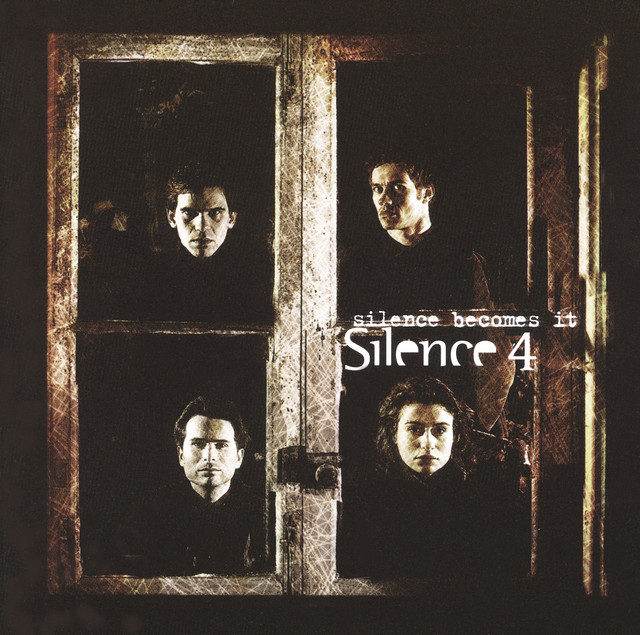
The 1990s and early 2000s broadened the spectrum further. Moonspell, formed in 1992, became one of the genre’s most successful international ambassadors—though rooted in heavy, gothic metal, they carried a distinctly Portuguese approach to crafting dramatic, atmospheric rock that gained a global following. Pop-rock and indie-leaning acts also flourished: Silence 4 demonstrated that Portuguese-language pop-rock could translate to international charts and broad radio play, while The Gift, a Porto-based act formed in the mid-1990s, helped propel the Portuguese indie scene with lush arrangements and earnest but accessible songs. In parallel, bands like Delfins, Clã, and Terra Tremenda (and others that rose and fell in the 1990s) pushed experimentation, fusing electronic textures, folk elements, and intelligent lyricism with rock forms.
A defining feature of Portuguese rock is its willingness to sing in Portuguese, with lyrics that often carry a sense of saudade, landscape, and social observation. The sound ranges from hard-edged guitar assault to melodic, contemplative ballads, from intimate indie to thunderous arena rock. Festivals such as Paredes de Coura and local club scenes continue to nurture both veteran acts and new voices, ensuring a living lineage rather than a museum piece.
Today, Portuguese rock remains strongest in Portugal, where the original bands forged a collective memory. Its influence travels to the Lusophone world—especially Brazil, Angola, and Mozambique—where Portuguese-language rock finds sympathetic ears among fans who value lyric nuance and the connection to home language. In Europe and beyond, a growing network of artists and fans keeps the genre dynamic, proving that a country of modest size can punch well above its weight in the broader landscape of rock music.
The 1980s are often remembered as the pivotal era when the first true pillars of the scene solidified. Xutos & Pontapés, formed in 1978 in Lisbon, became the enduring anthem-makers and remain Portugal’s most beloved rock force, known for roguish energy, memorable choruses, and a capacity to cross generations. Around the same time, GNR (Grupo Novo Rock) helped pioneer a more melodic, post-punk-inflected sound that blended social observation with poetic Portuguese lyrics. A complementary strand came from bands like Trovante, which fused folk textures with rock over a Portuguese lens, expanding what “rock” could sound like in the country. These groups laid a foundation that showed Portuguese-language rock could be expansive, personal, and enjoy mass appeal.
The 1990s and early 2000s broadened the spectrum further. Moonspell, formed in 1992, became one of the genre’s most successful international ambassadors—though rooted in heavy, gothic metal, they carried a distinctly Portuguese approach to crafting dramatic, atmospheric rock that gained a global following. Pop-rock and indie-leaning acts also flourished: Silence 4 demonstrated that Portuguese-language pop-rock could translate to international charts and broad radio play, while The Gift, a Porto-based act formed in the mid-1990s, helped propel the Portuguese indie scene with lush arrangements and earnest but accessible songs. In parallel, bands like Delfins, Clã, and Terra Tremenda (and others that rose and fell in the 1990s) pushed experimentation, fusing electronic textures, folk elements, and intelligent lyricism with rock forms.
A defining feature of Portuguese rock is its willingness to sing in Portuguese, with lyrics that often carry a sense of saudade, landscape, and social observation. The sound ranges from hard-edged guitar assault to melodic, contemplative ballads, from intimate indie to thunderous arena rock. Festivals such as Paredes de Coura and local club scenes continue to nurture both veteran acts and new voices, ensuring a living lineage rather than a museum piece.
Today, Portuguese rock remains strongest in Portugal, where the original bands forged a collective memory. Its influence travels to the Lusophone world—especially Brazil, Angola, and Mozambique—where Portuguese-language rock finds sympathetic ears among fans who value lyric nuance and the connection to home language. In Europe and beyond, a growing network of artists and fans keeps the genre dynamic, proving that a country of modest size can punch well above its weight in the broader landscape of rock music.