Genre
oxford indie
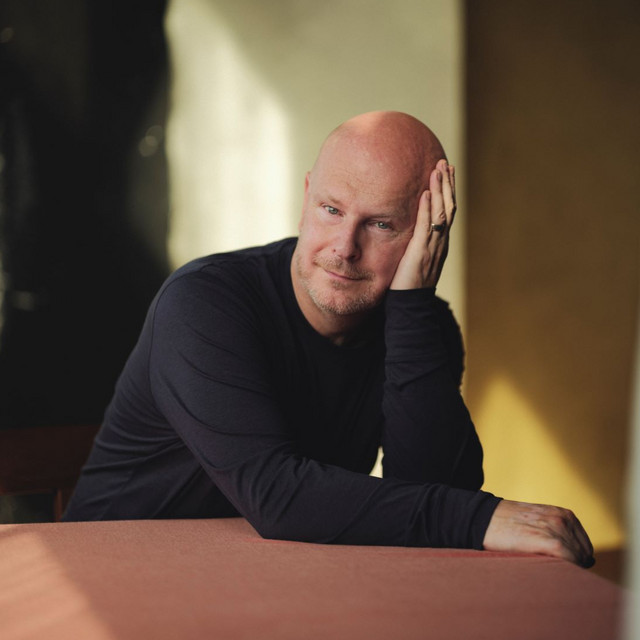
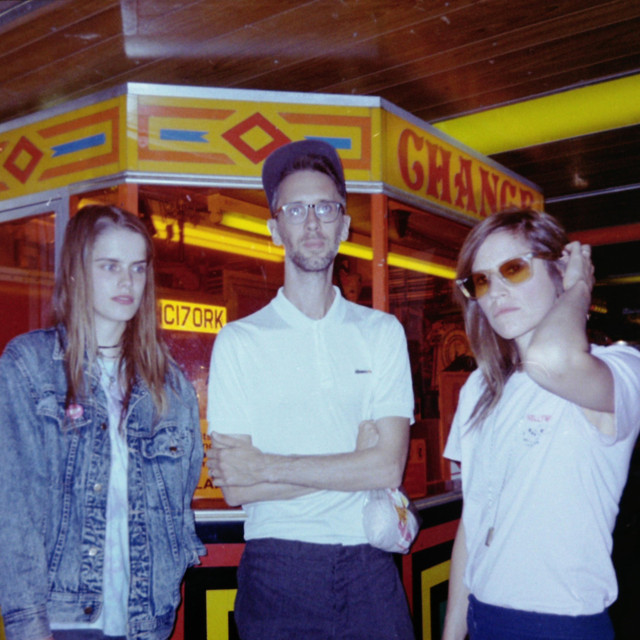
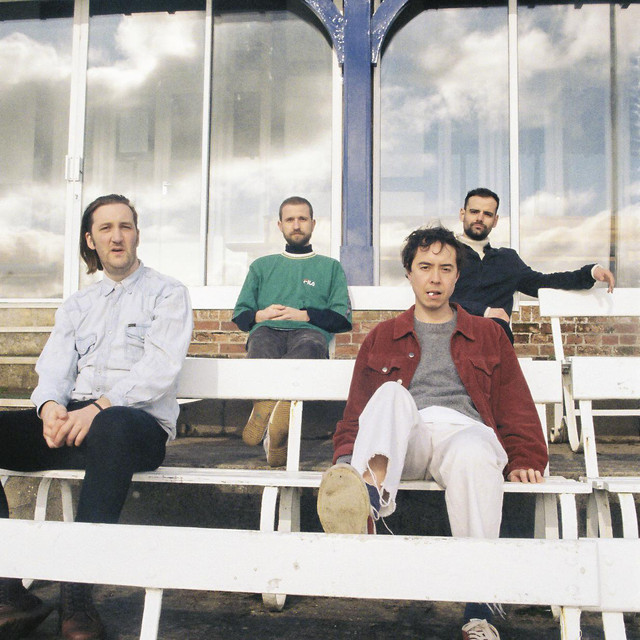
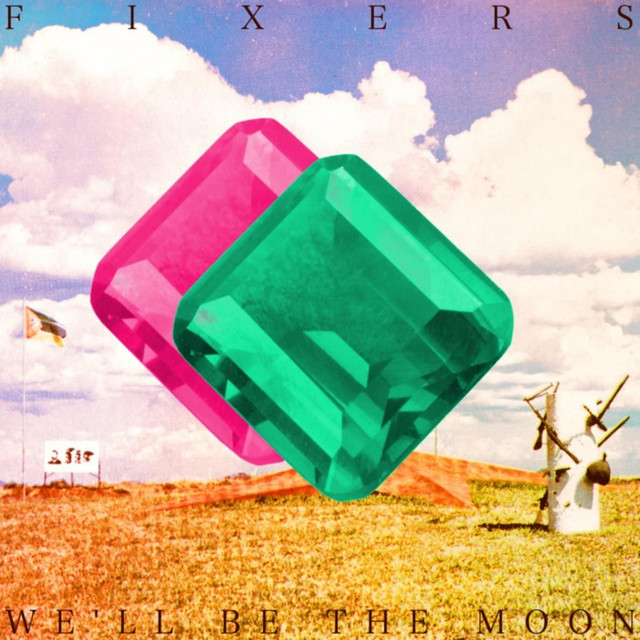
Top Oxford indie Artists
Showing 25 of 40 artists
















About Oxford indie
Oxford indie is a loose, affectionate label for a distinct strand of guitar-driven, literate indie rock that has grown out of Oxford, England, and the city’s surrounding musical ecosystem. It isn’t a tightly codified genre so much as a shared sensibility: crisp melodies, sharp storytelling, and a knack for marrying brainy, artful ideas with a human, hooky songcraft. Think of it as a micro-scene within the broader British indie tradition, rooted in a university town that has produced some of the most influential guitar bands of the last few decades.
Origins and birth
Oxford’s indie lineage runs deep. In the 1990s bands such as Supergrass and Ride helped define a rugged, guitar-forward vocabulary that could swing from brisk pop to shoegazer reverie. The city’s live music venues — notably the Jericho Tavern — became a proving ground where generations could test ideas in front of hungry, discerning crowds. In the mid-to-late 2000s a new generation of Oxford-based acts emerged, foregrounding lyric-driven storytelling, nimble guitar work, and a willingness to blend post-punk energy with danceable rhythms. Foals, formed in 2005, became the city’s most visible modern ambassadors, and their debut Antidotes (2008) crystallized a sound that many listeners now associate with Oxford indie: urgent guitars, tight arrangements, and a sense of intellectual playfulness.
Ambassadors and key artists
Foals stand as the clearest contemporary torchbearers, with a repertoire that moves from angular, arpeggiated hooks to expansive, arena-ready crescendos while retaining a distinctly Oxford cadence. Radiohead’s proximity to Oxford—though their core career spans broader geography—also casts a long shadow, informing the scene’s ambition and willingness to push sonic boundaries. Ride anchors the city’s shoegaze era, reminding listeners that Oxford’s influence isn’t limited to one mood or tempo. Supergrass, with their brisk, witty pop energy, remains part of the older generation’s legacy that continues to color how Oxford indie is imagined. The contemporary Oxford scene extends these pillars: bands that lean into clever lyricism, crisp guitar lines, and experimental touches—often drawing from post-punk, math-rock, and electronic textures—while keeping a human, emotionally direct core.
Sound and aesthetic
Oxford indie is characterized by bright, guitar-forward arrangements, often built on clean, interwoven guitar parts and melodic basslines. Lyrics tend to be literate and observant, anchored in place and character, with a sense of wit or melancholy. Production prizes clarity—songs feel present and tactile rather than overly glossy—yet many acts also incorporate subtle electronics, angular rhythms, and dynamic shifts that reward repeat listens. The best tracks marry immediacy with depth: a chorus that hooks you in, paired with a verse that invites closer reading.
Global reach and audience
The movement remains most visible in the UK, where Oxford’s clubs, venues, and university culture sustain a steady stream of bands and shows. It has smaller but dedicated audiences in the United States and across parts of Europe and Asia, especially among indie enthusiasts who chase city-specific scenes and the lineage of guitar-based storytelling. For listeners, Oxford indie offers a coherent, city-tinged aesthetic: music that sounds educated and earnest without sacrificing energy, emotion, or a great, singable hook. If you seek a doorway into a refined, park-bench-to-stage journey through modern guitar music, the Oxford indie canon is a rewarding map.
Origins and birth
Oxford’s indie lineage runs deep. In the 1990s bands such as Supergrass and Ride helped define a rugged, guitar-forward vocabulary that could swing from brisk pop to shoegazer reverie. The city’s live music venues — notably the Jericho Tavern — became a proving ground where generations could test ideas in front of hungry, discerning crowds. In the mid-to-late 2000s a new generation of Oxford-based acts emerged, foregrounding lyric-driven storytelling, nimble guitar work, and a willingness to blend post-punk energy with danceable rhythms. Foals, formed in 2005, became the city’s most visible modern ambassadors, and their debut Antidotes (2008) crystallized a sound that many listeners now associate with Oxford indie: urgent guitars, tight arrangements, and a sense of intellectual playfulness.
Ambassadors and key artists
Foals stand as the clearest contemporary torchbearers, with a repertoire that moves from angular, arpeggiated hooks to expansive, arena-ready crescendos while retaining a distinctly Oxford cadence. Radiohead’s proximity to Oxford—though their core career spans broader geography—also casts a long shadow, informing the scene’s ambition and willingness to push sonic boundaries. Ride anchors the city’s shoegaze era, reminding listeners that Oxford’s influence isn’t limited to one mood or tempo. Supergrass, with their brisk, witty pop energy, remains part of the older generation’s legacy that continues to color how Oxford indie is imagined. The contemporary Oxford scene extends these pillars: bands that lean into clever lyricism, crisp guitar lines, and experimental touches—often drawing from post-punk, math-rock, and electronic textures—while keeping a human, emotionally direct core.
Sound and aesthetic
Oxford indie is characterized by bright, guitar-forward arrangements, often built on clean, interwoven guitar parts and melodic basslines. Lyrics tend to be literate and observant, anchored in place and character, with a sense of wit or melancholy. Production prizes clarity—songs feel present and tactile rather than overly glossy—yet many acts also incorporate subtle electronics, angular rhythms, and dynamic shifts that reward repeat listens. The best tracks marry immediacy with depth: a chorus that hooks you in, paired with a verse that invites closer reading.
Global reach and audience
The movement remains most visible in the UK, where Oxford’s clubs, venues, and university culture sustain a steady stream of bands and shows. It has smaller but dedicated audiences in the United States and across parts of Europe and Asia, especially among indie enthusiasts who chase city-specific scenes and the lineage of guitar-based storytelling. For listeners, Oxford indie offers a coherent, city-tinged aesthetic: music that sounds educated and earnest without sacrificing energy, emotion, or a great, singable hook. If you seek a doorway into a refined, park-bench-to-stage journey through modern guitar music, the Oxford indie canon is a rewarding map.