Genre
queer country
Top Queer country Artists
Showing 24 of 24 artists







About Queer country
Queer country is best described as a cultural lineage within country music rather than a single fixed sound. It sits at the crossroads of traditional country, outlaw and indie folk, and a consciously queer perspective on love, identity, and rural life. Its appeal to music enthusiasts comes from a blend of honest storytelling, genre-blurring sonics, and a palpable sense of community around LGBTQ+ experience within a scene that has long wrestled with conformity.
Origins and early pioneers
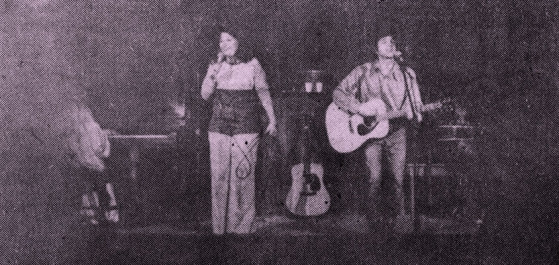
The movement traces a clear line back to Lavender Country, a pioneering act fronted by Patrick Haggerty. In 1973 they released Lavender Country, often cited as the first openly gay country album. Its blunt, intimate songs about longing, prejudice, and resilience laid down a blueprint for how queer storytelling could sit beside steel guitar and twang. Though it would take decades for the sound and conversation to broaden, Lavender Country remains a touchstone and a symbol of courage that continues to inspire new generations of artists.
From the margins to contemporary stages
The late 20th century’s alt-country and Americana scenes created spaces where queer artists could experiment without losing their country roots. In the 2010s and beyond, a new wave of visibility emerged, driven by streaming platforms, bold live performances, and a willingness to challenge genre boundaries. This period saw the rise of artists and acts who openly bring LGBTQ+ perspectives into country-adjacent circles, often blending elements of gospel, western swing, outlaw aesthetics, and lush, reverb-soaked ballads.
Ambassadors and key figures
Orville Peck stands as one of the most recognizable ambassadors of modern queer country. The masked Canadian artist channels classic country and dark outlaw textures, while openly engaging with queer themes in interviews and performances. His albums Pony (2019) and Bronco (2022) helped bring queer country to larger audiences, proving that intimate, whispered heartbreak and bold, cinematic arrangements can coexist with mainstream regard. Lavender Country itself remains the original beacon, cited repeatedly by new artists and scholars as proof that queer voices have always been part of country’s fabric.
Other influential voices who have helped broaden the field include Brandi Carlile, whose advocacy and music have brought LGBTQ+ visibility into country-adjacent spaces and mainstream Americana alike. While not every artist labeled as “queer country” identifies as LGBTQ+ in the same way, Carlile’s courageous stance and genre-spanning work have helped normalize queer presence within the broader country-and-folk ecosystem. In addition, a growing number of artists in the U.S., Canada, and Europe—ranging from intimate, bedroom-folk-influenced projects to larger, arena-adjacent sounds—are developing queer-centered repertoires and live shows.
Where the genre resonates
Queer country has found strongest resonance in the United States and Canada, particularly in cities with vibrant indie and roots scenes. It has also gained traction in the United Kingdom, Australia, and parts of Northern Europe, where listeners instinctively respond to its blend of traditional instrumentation, personal storytelling, and defiant individuality. The community-oriented ethos—collaborative songwriting, benefit concerts, and shared bills—helps sustain the scene even as it continues to evolve.
If you’re exploring queer country, expect a spectrum: intimate confessionals sung over pedal steel; masked outlaw swagger; tender ballads of love and longing; and a growing sense of solidarity that reminds us that country music remains an open, evolving space for all voices.
Origins and early pioneers
The movement traces a clear line back to Lavender Country, a pioneering act fronted by Patrick Haggerty. In 1973 they released Lavender Country, often cited as the first openly gay country album. Its blunt, intimate songs about longing, prejudice, and resilience laid down a blueprint for how queer storytelling could sit beside steel guitar and twang. Though it would take decades for the sound and conversation to broaden, Lavender Country remains a touchstone and a symbol of courage that continues to inspire new generations of artists.
From the margins to contemporary stages
The late 20th century’s alt-country and Americana scenes created spaces where queer artists could experiment without losing their country roots. In the 2010s and beyond, a new wave of visibility emerged, driven by streaming platforms, bold live performances, and a willingness to challenge genre boundaries. This period saw the rise of artists and acts who openly bring LGBTQ+ perspectives into country-adjacent circles, often blending elements of gospel, western swing, outlaw aesthetics, and lush, reverb-soaked ballads.
Ambassadors and key figures
Orville Peck stands as one of the most recognizable ambassadors of modern queer country. The masked Canadian artist channels classic country and dark outlaw textures, while openly engaging with queer themes in interviews and performances. His albums Pony (2019) and Bronco (2022) helped bring queer country to larger audiences, proving that intimate, whispered heartbreak and bold, cinematic arrangements can coexist with mainstream regard. Lavender Country itself remains the original beacon, cited repeatedly by new artists and scholars as proof that queer voices have always been part of country’s fabric.
Other influential voices who have helped broaden the field include Brandi Carlile, whose advocacy and music have brought LGBTQ+ visibility into country-adjacent spaces and mainstream Americana alike. While not every artist labeled as “queer country” identifies as LGBTQ+ in the same way, Carlile’s courageous stance and genre-spanning work have helped normalize queer presence within the broader country-and-folk ecosystem. In addition, a growing number of artists in the U.S., Canada, and Europe—ranging from intimate, bedroom-folk-influenced projects to larger, arena-adjacent sounds—are developing queer-centered repertoires and live shows.
Where the genre resonates
Queer country has found strongest resonance in the United States and Canada, particularly in cities with vibrant indie and roots scenes. It has also gained traction in the United Kingdom, Australia, and parts of Northern Europe, where listeners instinctively respond to its blend of traditional instrumentation, personal storytelling, and defiant individuality. The community-oriented ethos—collaborative songwriting, benefit concerts, and shared bills—helps sustain the scene even as it continues to evolve.
If you’re exploring queer country, expect a spectrum: intimate confessionals sung over pedal steel; masked outlaw swagger; tender ballads of love and longing; and a growing sense of solidarity that reminds us that country music remains an open, evolving space for all voices.