Genre
post-punk
Top Post-punk Artists
Showing 25 of 3,928 artists



About Post-punk
Post-punk is a late-1970s evolution of punk rock that chased texture, atmosphere, and ideas as vigorously as it chased energy. Born in Britain, with pivotal scenes in Manchester, London, and Leeds, it arose as bands moved beyond short riffs toward something more expansive, restless, and opaque. It borrowed from art rock, dub and dance rhythms, funk, and avant-garde experimentation, then stripped ideas to the bone. What followed was not a single sound but a family of trajectories: taut, angular guitars; stomping or skittering drums; bass lines that rattle like a heartbeat; keyboards and tape effects that drift in and out; and lyrics that could be political, surreal, or intensely personal.
Post-punk stood for exploration rather than anthem-making. Song structures lengthened, noise levels could climb and recede within the same track, and production favored texture over polish. The mood ranged from cold, mechanical precision to brooding romanticism. Some bands embraced militant politics; others pursued art-school psychology and urban alienation. The result was music that could be cerebral yet visceral, danceable yet dangerous, and always attentive to the spaces between notes.
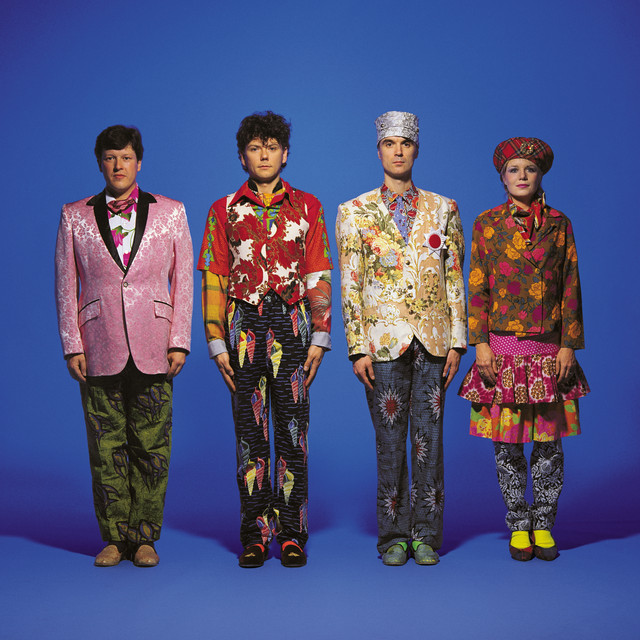
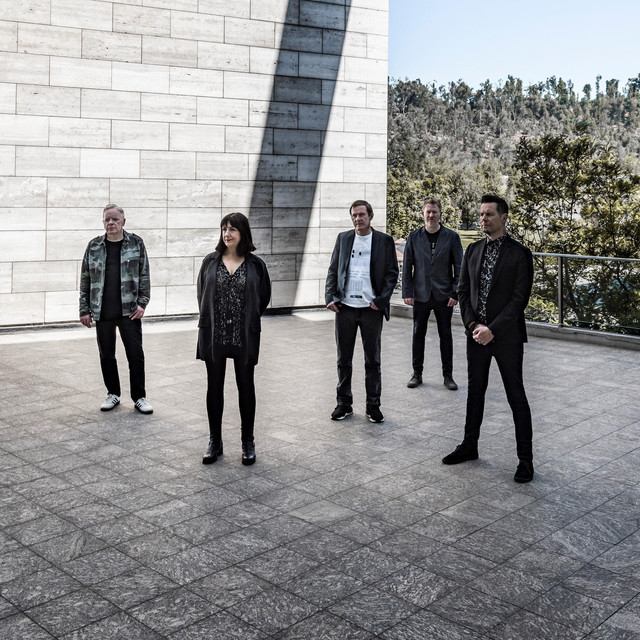
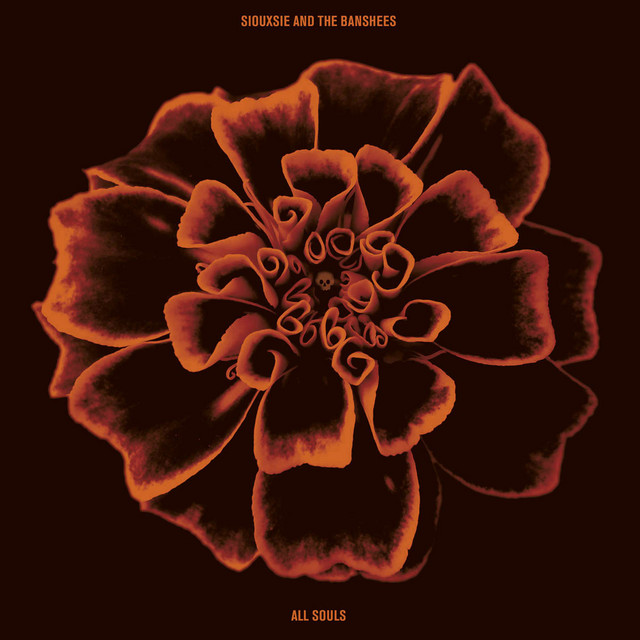
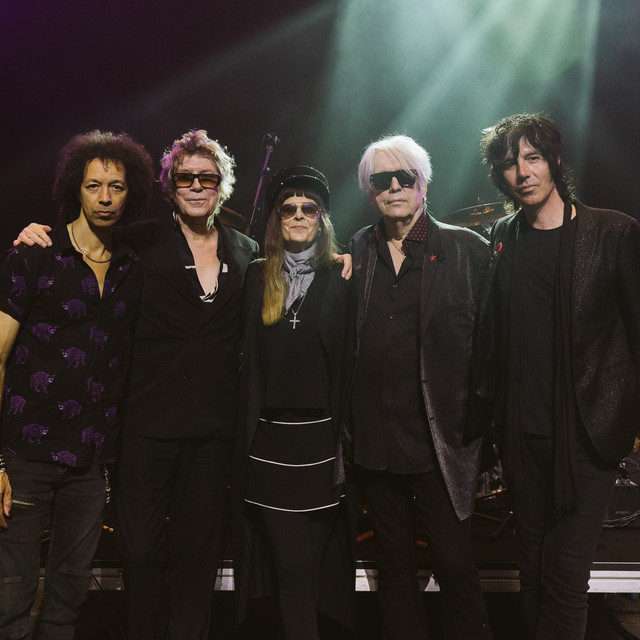
Among the earliest ambassadors are Joy Division, whose stark, hypnotic bass and pained vocals defined a mood of Northern English doom; Siouxsie and the Banshees, who fused raw energy with Gothic shade and adventurous guitars; Gang of Four, whose funk-infused rhythms and polemical lyrics reoriented punk’s politics; Wire, with spare, surgical guitar and epigrammatic songs; PiL, led by John Lydon, which turned the movement toward abrasive, studio-sculpted sound; Bauhaus, who crystallized the darker edge; Talking Heads and Television in New York, bringing urban experimentalism across the Atlantic; The Cure and The Fall nurturing long, idiosyncratic arcs. New Order emerged from Joy Division’s ashes, blending mood with dance-floor electronics and helping to redefine what post-punk could entail as the era moved toward the 1980s.
Geographically, the core was the United Kingdom and the United States, but the ripple extended across Western Europe and into Australia and Japan. Germany’s art-punk and industrial-adjacent scenes fed a harsh, tactile sound; Italy and France cultivated their own dry, art-forward strains; and the global underground nurtured labels, clubs, and fanzines that kept the flame alive into the late 1980s and beyond. The movement’s openness—its willingness to absorb reggae, dub, funk, and electronic textures—made it unusually portable and influential.
Today, post-punk remains a touchstone for listeners who prize intellect alongside edge. It seeded gothic rock, noise rock, and industrial music, and its DNA surfaced again in the post-punk revival of the early 2000s with bands like Interpol, Franz Ferdinand, the Rapture, and Editors. For enthusiasts, the genre offers a lens on how punk can be rigorous, daring, and endlessly diverse—an insistence that music can be both abrasive and beautiful, political and personal, immediate and intricate.
Post-punk stood for exploration rather than anthem-making. Song structures lengthened, noise levels could climb and recede within the same track, and production favored texture over polish. The mood ranged from cold, mechanical precision to brooding romanticism. Some bands embraced militant politics; others pursued art-school psychology and urban alienation. The result was music that could be cerebral yet visceral, danceable yet dangerous, and always attentive to the spaces between notes.
Among the earliest ambassadors are Joy Division, whose stark, hypnotic bass and pained vocals defined a mood of Northern English doom; Siouxsie and the Banshees, who fused raw energy with Gothic shade and adventurous guitars; Gang of Four, whose funk-infused rhythms and polemical lyrics reoriented punk’s politics; Wire, with spare, surgical guitar and epigrammatic songs; PiL, led by John Lydon, which turned the movement toward abrasive, studio-sculpted sound; Bauhaus, who crystallized the darker edge; Talking Heads and Television in New York, bringing urban experimentalism across the Atlantic; The Cure and The Fall nurturing long, idiosyncratic arcs. New Order emerged from Joy Division’s ashes, blending mood with dance-floor electronics and helping to redefine what post-punk could entail as the era moved toward the 1980s.
Geographically, the core was the United Kingdom and the United States, but the ripple extended across Western Europe and into Australia and Japan. Germany’s art-punk and industrial-adjacent scenes fed a harsh, tactile sound; Italy and France cultivated their own dry, art-forward strains; and the global underground nurtured labels, clubs, and fanzines that kept the flame alive into the late 1980s and beyond. The movement’s openness—its willingness to absorb reggae, dub, funk, and electronic textures—made it unusually portable and influential.
Today, post-punk remains a touchstone for listeners who prize intellect alongside edge. It seeded gothic rock, noise rock, and industrial music, and its DNA surfaced again in the post-punk revival of the early 2000s with bands like Interpol, Franz Ferdinand, the Rapture, and Editors. For enthusiasts, the genre offers a lens on how punk can be rigorous, daring, and endlessly diverse—an insistence that music can be both abrasive and beautiful, political and personal, immediate and intricate.