Genre
sinhala pop
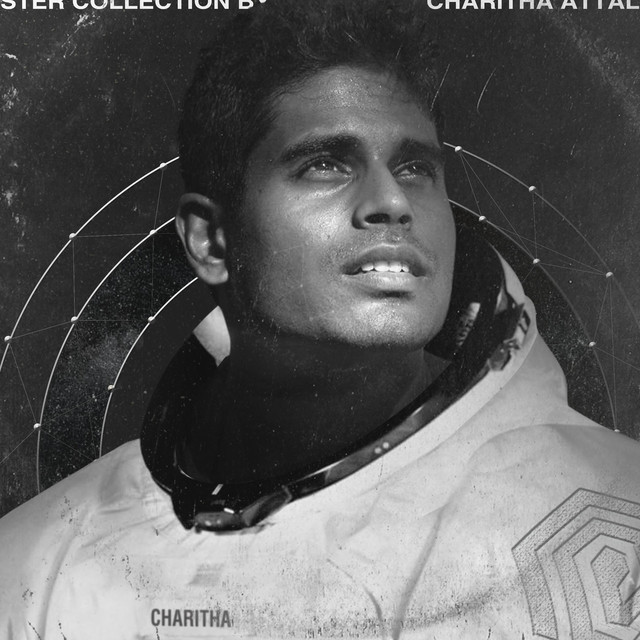
Top Sinhala pop Artists
Showing 25 of 223 artists











About Sinhala pop
Sinhala pop is the Sri Lankan articulation of Western pop sensibilities sung in the Sinhala language. It grew out of the island’s post‑independence musical ferment, fusing melodic Sinhala lyrics with contemporary Western arrangements and Indian film influences. Emerging in the 1960s and blossoming through the 1970s, Sinhala pop offered urban listeners something instantly catchy yet locally resonant: songs about love, longing, and everyday life, crafted with clean guitar lines, sparkling keyboards, tight rhythm sections, and harmonies that could ride a chorus straight into memory.
In its early phase, the genre drew on pioneers who defined a distinctly Sri Lankan pop voice. Clarence Wijewardena, often celebrated as the father of Sinhala pop, led the charge with the Super Golden Chimes and a string of catchy hits in the 1970s and beyond. Other iconic voices of the era included playback legend H. R. Jothipala and singer-composer Nanda Malini, whose romantic ballads and socially charged tunes helped widen the audience. The period fused stage performance, radio airplay, and film music, turning Sinhala pop into a national conversation.
Musically, Sinhala pop sits at the crossroads of melody-driven ballads and up-tempo pop tunes. The genre favors clean guitar, sang-laden choruses, synth textures, and percussion that ranges from crisp drum kits to light percussion borrowed from Sri Lankan folk rhythms. Lyrics often revolve around love, heartbreak, social aspiration, and urban dreams, delivered in clear, emotive Sinhala that can be easy to sing along with. Over the decades, bands and solo artists experimented with cross‑genre blends—rock, reggae, dance‑floor pop, and later rap and hip‑hop—without losing the language’s lyrical core.
Today, Sinhala pop thrives as both a heritage sound and a living, evolving scene. The genre’s ambassadors span generations: Clarence Wijewardena is still cited as the foundational voice, while the 1980s and 1990s brought a new wave of stars such as Nanda Malini and Victor Rathnayake and later a modern revival led by Bathiya and Santhush, whose bilingual collaborations and global-leaning production broadened Sinhala pop’s reach. They, along with a flourishing independent scene, helped Sinhala pop cross from local radio to streaming platforms and international stages, keeping the Sri Lankan voice unmistakable in a crowded global pop landscape.
Though rooted in Sri Lanka, Sinhala pop speaks to a global Sri Lankan diaspora. In Sri Lanka, radio, television, and live venues remain the core lifelines, with the island’s big cities—Colombo, Kandy, Galle—hosting festivals and concerts that celebrate the music’s past and future. Abroad, communities in the United Kingdom, Canada, Australia, the Middle East, and parts of Europe and the United States sustain a loyal audience, sharing classic tunes and new releases through streaming services and social media. For the listener, Sinhala pop offers a window into Sri Lankan storytelling, urban sensibility, and a melodic branding of modern life. For newcomers, you can start with classic hits by Clarence Wijewardena and the early Super Golden Chimes, then explore Bathiya and Santhush’s 2000s catalog to hear the evolution of the sound. Modern producers blend global pop textures with Sinhala lyricism, making it a living, adaptable genre.
In its early phase, the genre drew on pioneers who defined a distinctly Sri Lankan pop voice. Clarence Wijewardena, often celebrated as the father of Sinhala pop, led the charge with the Super Golden Chimes and a string of catchy hits in the 1970s and beyond. Other iconic voices of the era included playback legend H. R. Jothipala and singer-composer Nanda Malini, whose romantic ballads and socially charged tunes helped widen the audience. The period fused stage performance, radio airplay, and film music, turning Sinhala pop into a national conversation.
Musically, Sinhala pop sits at the crossroads of melody-driven ballads and up-tempo pop tunes. The genre favors clean guitar, sang-laden choruses, synth textures, and percussion that ranges from crisp drum kits to light percussion borrowed from Sri Lankan folk rhythms. Lyrics often revolve around love, heartbreak, social aspiration, and urban dreams, delivered in clear, emotive Sinhala that can be easy to sing along with. Over the decades, bands and solo artists experimented with cross‑genre blends—rock, reggae, dance‑floor pop, and later rap and hip‑hop—without losing the language’s lyrical core.
Today, Sinhala pop thrives as both a heritage sound and a living, evolving scene. The genre’s ambassadors span generations: Clarence Wijewardena is still cited as the foundational voice, while the 1980s and 1990s brought a new wave of stars such as Nanda Malini and Victor Rathnayake and later a modern revival led by Bathiya and Santhush, whose bilingual collaborations and global-leaning production broadened Sinhala pop’s reach. They, along with a flourishing independent scene, helped Sinhala pop cross from local radio to streaming platforms and international stages, keeping the Sri Lankan voice unmistakable in a crowded global pop landscape.
Though rooted in Sri Lanka, Sinhala pop speaks to a global Sri Lankan diaspora. In Sri Lanka, radio, television, and live venues remain the core lifelines, with the island’s big cities—Colombo, Kandy, Galle—hosting festivals and concerts that celebrate the music’s past and future. Abroad, communities in the United Kingdom, Canada, Australia, the Middle East, and parts of Europe and the United States sustain a loyal audience, sharing classic tunes and new releases through streaming services and social media. For the listener, Sinhala pop offers a window into Sri Lankan storytelling, urban sensibility, and a melodic branding of modern life. For newcomers, you can start with classic hits by Clarence Wijewardena and the early Super Golden Chimes, then explore Bathiya and Santhush’s 2000s catalog to hear the evolution of the sound. Modern producers blend global pop textures with Sinhala lyricism, making it a living, adaptable genre.