Data may be outdated
Last updated: 8 months ago — Click refresh to get the latest statistics.
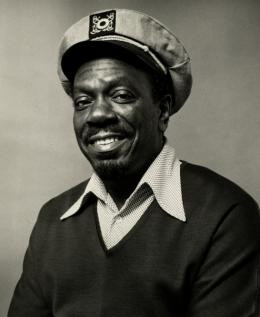
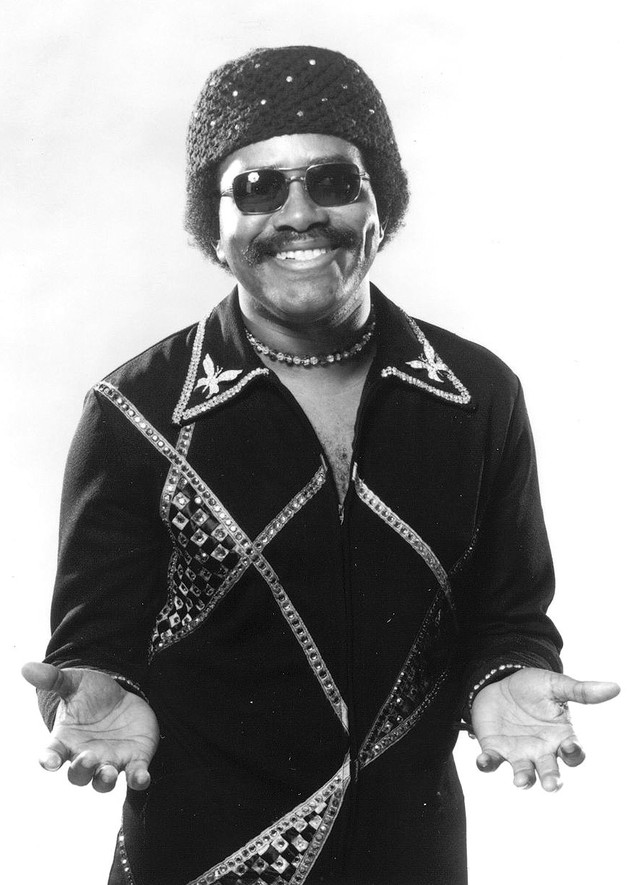
As one of contemporary music's most sampled drummers, New Orleans' Idris Muhammad's pioneering approach wed syncopated grooves, bluesy swing, and trademark funky breaks to NOLA's second line and parade rhythms. His resume includes nearly 500 recording credits that range across the genre spectrum. He began his professional career at 15 in 1954, playing on <a href="spotify:artist:4f9WzVkgm5FoJW8lGGmHkG">Art Neville and the Hawketts</a>' "Mardi Gras Mambo," and at 17 backed <a href="spotify:artist:09C0xjtosNAIXP36wTnWxd">Fats Domino</a> on "Blueberry Hill." He spent the rest of his teens and early twenties working on the road with <a href="spotify:artist:6hnWRPzGGKiapVX1UCdEAC">Sam Cooke</a> and Curtis Mayfield & the Impressions. Muhammad toured and/or recorded with a who's-who of headline performers. He spent long tenures with <a href="spotify:artist:063xkuRULzZu8fcoPR2rKR">Lou Donaldson</a>, <a href="spotify:artist:3JLUCojZaHrX2LaUkSj7Ud">Pharoah Sanders</a>, and <a href="spotify:artist:6gc6oo3u2f7SqTd4mhe81O">Ahmad Jamal</a>. He worked on important recordings and played tours with everyone from <a href="spotify:artist:0W498bDDNlJIrYMKXdpLHA">Roberta Flack</a>, <a href="spotify:artist:05YVYeV4HxYp5rrWalvuE1">Grover Washington, Jr.</a>, and <a href="spotify:artist:6ryjbFyWBZho9KGXqKZdqQ">Bob James</a> to <a href="spotify:artist:543js1lXeFxJKXqxC6XgT7">Hank Crawford</a>, <a href="spotify:artist:217b0uqAzsOOhGcnoANZqj">Sonny Stitt</a>, and <a href="spotify:artist:36YE6h8aN09ZKG4EhneDSf">Joe Lovano</a>, just to name a few. His leader discography includes a number of influential, heavily sampled albums, including the mid-'70s triumvirate Power of Soul (universally regarded as a jazz-funk classic), House of the Rising Sun, and Turn This Mutha Out. During the '80s and '90s he worked as a touring sideman with <a href="spotify:artist:2JzTVgQ5vs7k1gGXbC5DWG">John Hicks</a>, <a href="spotify:artist:3JLUCojZaHrX2LaUkSj7Ud">Sanders</a>, <a href="spotify:artist:3iF9mUqkeDgHbydOvDYqjO">Nathan Davis</a>, and <a href="spotify:artist:05YVYeV4HxYp5rrWalvuE1">Washington, Jr</a>. His final leader date was for 2004's The Champs on <a href="spotify:search:label%3A%22Sunnyside%22">Sunnyside</a>, co-billed with organist <a href="spotify:artist:2hpwTpq2QENZv7EAvniKDR">Joey DeFrancesco</a> and guitarist <a href="spotify:artist:4cFbprj4ZHownIe0HGCptT">Ximo Tebar</a>. He died in 2014.
Muhammad was born Leo Morris in New Orleans' 13th Ward. His four siblings were also drummers. Despite the influence of heredity, Muhammad claimed in his autobiography Inside the Music that the hissing, clanging, bumping rhythms from the machinery at Buddy's Cleaners and Pressing Shop next door to the family's home provided the inspiration -- and syncopation -- for his playing signature. Other than what he picked up from his siblings and Buddy's, Muhammad was completely self-taught. His family was friends with the <a href="spotify:artist:3d1olqhURDe8e5HOta1Qxg">Nevilles</a> and that relationship helped in procuring his first real gig: At 15 he sat in with <a href="spotify:artist:4f9WzVkgm5FoJW8lGGmHkG">Art Neville and the Hawketts</a> on "Mardi Gras Mambo." The youngster played with a slew of musicians in the neighborhood and hung around Cosimo Matassa's studio to watch artists such as <a href="spotify:artist:2RyY5yFlJh6jIPfMDhHgyD">Professor Longhair</a>, <a href="spotify:artist:3ybBNyjii40yY104IZkcly">Ernie K. Doe</a>, and many more work their magic. At 17 he played on the <a href="spotify:artist:09C0xjtosNAIXP36wTnWxd">Fats Domino</a> recording session that netted "Blueberry Hill."
He toured with <a href="spotify:artist:6hnWRPzGGKiapVX1UCdEAC">Sam Cooke</a> at 18, before leaving to play behind Curtis Mayfield & the Impressions. In 1960, at age 21, he helmed the kit behind New Orleans R&B singer <a href="spotify:artist:25q0j1r1m5UM8GwFPLcopw">Joe Jones</a> on the hit "You Talk Too Much." He worked with <a href="spotify:artist:3QZKZBEmr54lAVI5XvmjnM">Coasters</a>' guitarist Sonny Forriest & His Orchestra on Tuff Pickin' for <a href="spotify:search:label%3A%22Decca%22">Decca</a> in 1966; that same year he converted to Islam and changed his name to Idris Muhammad (though labels he recorded for including <a href="spotify:search:label%3A%22Blue+Note%22">Blue Note</a> and <a href="spotify:search:label%3A%22Cadet%22">Cadet</a> continued to use his birth name in credits for some time). He won a traveling gig with saxophonist <a href="spotify:artist:063xkuRULzZu8fcoPR2rKR">Lou Donaldson</a> in 1966 and made his recording debut with him on Blowing in the Wind for <a href="spotify:search:label%3A%22Cadet%22">Cadet</a> in 1967. He remained with <a href="spotify:artist:063xkuRULzZu8fcoPR2rKR">Donaldson</a>'s band until 1973. Among the many albums they cut together are Alligator Boogaloo, Mr. Shing-A-Ling, Midnight Creeper, and Everything I Play Is Funky.
In 1968, Muhammad met <a href="spotify:artist:3b6TinIPahsS8iSCYAeinr">Galt MacDermot</a> and won the drum slot in the house band for the original Broadway production of Hair, and subsequently played and recorded with <a href="spotify:artist:3b6TinIPahsS8iSCYAeinr">MacDermot</a>'s studio bands. 1969 saw Muhammad's name(s) appear on a slew of significant recordings by <a href="spotify:artist:3ZUZYvTkSr7kJQyAXVpqaL">Donald Byrd</a> (Fancy Free), <a href="spotify:artist:68l2i6GeNtwQlhKS59u5bu">Paul Desmond</a> (Summertime), <a href="spotify:artist:4N8BwYTEC6XqykGvXXlmfv">George Benson</a> (Tell It Like It Is, The Other Side of Abbey Road), <a href="spotify:artist:6dAtGAnHCQ1ujMUZ9Ep82k">Grant Green</a> (Carryin' On), <a href="spotify:artist:3ud1yQWO0eEL8hVcXyU0Oi">Charles Earland</a> (Black Talk!), and <a href="spotify:artist:3JLUCojZaHrX2LaUkSj7Ud">Pharoah Sanders</a> (Jewels of Thought).
In 1970 Muhammad signed on as a house drummer for <a href="spotify:search:label%3A%22Prestige+Records%22">Prestige Records</a>. He played on seminal recordings that year by <a href="spotify:artist:5W164T3LzjqaiKel1g72ax">Rusty Bryant</a> and <a href="spotify:artist:338mC0yGyX0C9of8QMJ5hK">Gene Ammons</a> and continued to work with <a href="spotify:search:label%3A%22Blue+Note%22">Blue Note</a> artists including <a href="spotify:artist:5ZATfKurLqflrBhv2FLht5">Horace Silver</a>. In 1971 Muhammad released his leader debut, Black Rhythm Revolution!, with a septet that included pianist <a href="spotify:artist:0CHdvqcELhkUJEsftEZ965">Harold Mabern</a> and <a href="spotify:artist:0S7VS7ckdWsmpPgHTvWd3c">Melvin Sparks</a>. He followed it a few months later with Peace and Rhythm with <a href="spotify:artist:4wnzivx3OQ3vjrySAdTdJP">Ron Carter</a> on bass. During those two years, Muhammad's life was almost literally spent in the studio. He played on no less than three-dozen recordings including his own, and appeared on now-classic outings by <a href="spotify:artist:3QKktX309XIKJEYkoLJ3TB">Walter Bishop, Jr.</a> (Coral Keys), <a href="spotify:artist:05YVYeV4HxYp5rrWalvuE1">Grover Washington, Jr.</a> (Inner City Blues and Soul Box), <a href="spotify:artist:5W164T3LzjqaiKel1g72ax">Rusty Bryant</a> (Fire Eater), and <a href="spotify:artist:0JbqyQSsMK7TavqlR0yNON">Bobbi Humphrey</a> (Flute In).
In 1973, Muhammad signed to <a href="spotify:search:label%3A%22Kudu%22">Kudu</a> and issued Power of Soul, his signature recording and an undisputed, oft-sampled jazz-funk classic. Comprised of four long pieces, its lineup included <a href="spotify:artist:6ryjbFyWBZho9KGXqKZdqQ">Bob James</a> (who arranged the set), <a href="spotify:artist:3Rsba5XTDhxUyjK4sn1wBj">Randy Brecker</a>, <a href="spotify:artist:1RJ851hDpoU9UUIiC9duIU">Ralph MacDonald</a>, <a href="spotify:artist:7ffXgsphD60oasltiYDe0M">Joe Beck</a>, and <a href="spotify:artist:05YVYeV4HxYp5rrWalvuE1">Washington, Jr.</a> (<a href="spotify:artist:03r4iKL2g2442PT9n2UKsx">The Beastie Boys</a>' Paul's Boutique opens with a lengthy sample of "Loran’s Dance," Power of Soul's final track.) Inarguably a jazz outing, Muhammad claimed in an interview that he was a funk drummer, not a jazz drummer. That same year, he participated in the bicoastal sessions for Brazilian guitarist <a href="spotify:artist:174ThXFgQg2VCq9r3m8ceb">Luiz Bonfa</a>'s historic Jacaranda. Arranged by Deodato, it is inarguably one of the greatest fusion sides of the '70s. Some of the other participants in these sessions included <a href="spotify:artist:7yyIIRJV6dklQEvISTzRjE">Airto</a>, <a href="spotify:artist:1lGt9WgdYGpMnmwGkcCm05">Stanley Clarke</a>, <a href="spotify:artist:2h4ndKS2vRWeFLpq8ARu0D">Ray Barretto</a>, <a href="spotify:artist:0WPM7cWlRjCwho6G09x2S2">John Tropea</a>, and <a href="spotify:artist:3Rsba5XTDhxUyjK4sn1wBj">Brecker</a>.
Given the critical reception of the album, the drummer's studio commitments increased. He played on <a href="spotify:artist:0W498bDDNlJIrYMKXdpLHA">Roberta Flack</a>'s signature hit single "Killing Me Softly" and its accompanying album, and played on dates led by <a href="spotify:artist:7KjjSmSX5wCE1KYOerEf6D">Nat Adderley</a>, <a href="spotify:artist:2dRsXWVnkku2cMDtV1h6NP">Stanley Turrentine</a>, <a href="spotify:artist:6OBKNqNkRe1Z5VA1TBvMuH">Morgana King</a>, <a href="spotify:artist:7ufZw0wQAJmH6I1OXCtIIe">Eric Gale</a>, <a href="spotify:artist:71cyZ6pH0KrM2MdtO8RGmy">Merry Clayton</a>, and <a href="spotify:artist:6ryjbFyWBZho9KGXqKZdqQ">James</a>. In 1975 he recorded House of the Rising Sun. Arranged by David Matthews and <a href="spotify:artist:3YO63Be7QxrxqBQtgKc4Oc">Tom Harrell</a>, and produced by <a href="spotify:artist:26wgGfiLU6HFdl5ZPo10ev">Creed Taylor</a>, it offered a unique hearing of the drummer's musically integrated vision. A funked-up reading of the traditional title track led forays into the jazzy soul of <a href="spotify:artist:2EURsXo9qlt1aMWlviGCRi">Ashford & Simpson</a> ("Hard to Face the Music,") an adaptation of <a href="spotify:artist:7y97mc3bZRFXzT2szRM4L4">Chopin</a>'s Prelude No. 4 ("Theme for New York City"), <a href="spotify:artist:3d1olqhURDe8e5HOta1Qxg">the Neville Brothers</a>' NOLA funk ("Hey Pocky A-Way"), and Brazilian fusion in <a href="spotify:artist:5hyojPlWFuUbkzy2bOgmcJ">Ary Barroso</a> (“Baia”). It also included the modal funk of the oft-sampled "Sudan," co-composed by Muhammad and <a href="spotify:artist:3YO63Be7QxrxqBQtgKc4Oc">Harrell</a>. The session's lineup included saxophonists <a href="spotify:artist:7vNcTk9TgKF0qDsS87nWGE">David Sanborn</a>, <a href="spotify:artist:1gqL9JWgVW2O87KbYWPNbC">Bob Berg</a>, and <a href="spotify:artist:0ugeHL6lEUsqwhHjTebNpV">Ronnie Cuber</a>, with <a href="spotify:artist:3YO63Be7QxrxqBQtgKc4Oc">Harrell</a> on trumpet, <a href="spotify:artist:4yfYzng7htuuRXosAJYtun">Will Lee</a> on bass, and guitars by <a href="spotify:artist:7ufZw0wQAJmH6I1OXCtIIe">Eric Gale</a> and <a href="spotify:artist:7ffXgsphD60oasltiYDe0M">Beck</a>. The album peaked at 51 on the R&B charts.
Muhammad continued working with <a href="spotify:artist:0W498bDDNlJIrYMKXdpLHA">Flack</a>. He played on Feel Like Makin' Love, and branched out to work with other R&B artists including <a href="spotify:artist:6I7tqjEzznFPrardDfvsvq">Gene McDaniels</a> and <a href="spotify:artist:7azp9wRyXcxIq5vZnJgYvt">Dexter Wansel</a>. In 1977, Muhammad released Turn This Mutha Out, a then-controversial jazz-funk and disco outing that has since become a staple among DJs, rappers, and producers. It placed in the Top 200 and spent 19 weeks on the charts. There was little time to tour as a leader; Muhammad was intensely busy alternating between recording and live roles with bandleaders <a href="spotify:artist:16Xx0WCnAKOA9mwPPSUJmr">Houston Person</a>, <a href="spotify:artist:5OPNYwuIto3q4ac46rIIZC">David "Fathead" Newman</a>, and <a href="spotify:artist:7uUrPQUnxCoQusOAh5I0D1">Hilton Ruiz</a>.
In 1978 he doubled down on the disco-jazz fusion with Boogie to the Top, his final outing for <a href="spotify:search:label%3A%22Kudu%22">Kudu</a>, and used most of the cast from his previous outing. It peaked at 45 on the R&B Albums chart. Three other tracks made it into the Top 40 on the Dance Club charts. That same year, <a href="spotify:artist:6ryjbFyWBZho9KGXqKZdqQ">James</a> enlisted Muhammad as his drummer for the historic 1978 multi-platinum-selling album Touchdown and its chart-topping "Angela" (the title theme for the television series Taxi). Muhammad ended the decade with Foxhuntin' for <a href="spotify:search:label%3A%22Fantasy%22">Fantasy</a>, a further trip down the disco rabbit hole. He also worked with <a href="spotify:artist:6ryjbFyWBZho9KGXqKZdqQ">James</a> on the chart-topping Lucky Seven and <a href="spotify:artist:2oVwztjpHpJlAvlVVuqVa0">Mongo Santamaria</a> on Red Hot.
In 1980 Muhammad issued Make It Count for <a href="spotify:search:label%3A%22Fantasy%22">Fantasy</a>. A further disco and funk offering, it sank almost without a trace. That same year, however, marked his acclaimed return to jazz with the quartet offering Kabsha on <a href="spotify:search:label%3A%22Theresa%22">Theresa</a>, featuring <a href="spotify:artist:3JLUCojZaHrX2LaUkSj7Ud">Sanders</a>, <a href="spotify:artist:2bznm4QNyfgutcxCbRAfwH">George Coleman</a>, and <a href="spotify:artist:06zGDdseDUlrQgqogXA3mP">Ray Drummond</a>. The session came about because Muhammad, who had played on <a href="spotify:artist:3JLUCojZaHrX2LaUkSj7Ud">Sanders</a>’ Journey to the One, impressed the label bosses and was subsequently offered a one-album deal. The drummer's and saxophonist's reunion went so well that they spent the remainder of the decade playing together on recordings such as <a href="spotify:artist:3JLUCojZaHrX2LaUkSj7Ud">Sanders</a>'s Live, Heart Is a Melody, Shukuru, and Africa. Muhammad was intensely active during the decade; he played on dozens of recordings and worked live with <a href="spotify:artist:2JzTVgQ5vs7k1gGXbC5DWG">John Hicks</a> and <a href="spotify:artist:52cM6vrM4MJ8g4H7Ibo5fZ">Johnny Griffin</a>, as well as on dates by <a href="spotify:artist:1OdyhpUABf8avaZ9r8nI1u">the Fania All-Stars</a>, <a href="spotify:artist:1YENA5yMZMS2ta6wzLKWPg">Johnny Lytle</a>, <a href="spotify:artist:1fJEAxQLhUQdBmUjsj3vIF">Steve Turre</a>, <a href="spotify:artist:5IncNYeCNPQoNYU6gR1wpR">Doc Cheatham</a>, <a href="spotify:artist:0f7pA0ZG37SikMY7RZIDx3">Tony Coe</a>, and <a href="spotify:artist:57fCBf7506avv91VXx6KIb">Benny Bailey</a>. In addition, the drummer remained a regular contributor to studio dates led by <a href="spotify:artist:6ryjbFyWBZho9KGXqKZdqQ">Bob James</a> and <a href="spotify:artist:05YVYeV4HxYp5rrWalvuE1">Grover Washington, Jr.</a>
In 1990, Muhammad released My Turn, a jazz-funk outing for Germany's <a href="spotify:search:label%3A%22Lipstick+Records%22">Lipstick Records</a> label. Recorded at Minot Studio in White Plains, New York, its lineup included guitarist <a href="spotify:artist:4JKt7ekkdHhrtoTMtSwodO">Hiram Bullock</a>, <a href="spotify:artist:3Rsba5XTDhxUyjK4sn1wBj">Brecker</a>, <a href="spotify:artist:6ryjbFyWBZho9KGXqKZdqQ">James</a>, and <a href="spotify:artist:05YVYeV4HxYp5rrWalvuE1">Washington, Jr.</a> It also featured Muhammad's then-wife, singer/songwriter Sakinah Muhammad, on lead vocals. He also continued to work with the <a href="spotify:artist:2JzTVgQ5vs7k1gGXbC5DWG">Hicks</a>' trio in the studio and on the road. He joined pianist <a href="spotify:artist:6Cx6WhEWHJWPeiFspDCwDR">Randy Weston</a>'s studio band for the acclaimed late-career "Portraits" trilogy (Portraits of Thelonious Monk, Portraits of Duke Ellington, and Self Portraits: The Last Day), as well as The Spirits of Our Ancestors and Africa.
In 1995 Muhammad joined the <a href="spotify:artist:0BqALs1lInR9TTOulUADH7">Ahmad Jamal Trio</a> and appeared on all three volumes of the pianist's The Essence trilogy, commencing a working relationship that would continue through 2008. During the remainder of the '90s, Muhammad remained a first-call session player, working on albums by <a href="spotify:artist:14RXohtx6NiBGFTW8IdmAK">John Scofield</a>, <a href="spotify:artist:00SOiqZ0YGY2JhjSPxZMZg">David Murray</a>, Jamaican guitarist <a href="spotify:artist:6RTCb5pWKinqlUyG2qacit">Ernest Ranglin</a>, and <a href="spotify:artist:1VEzN9lxvG6KPR3QQGsebR">Sonny Rollins</a>. In 1998 the drummer released his own Right Now for the independent <a href="spotify:search:label%3A%22Cannonball+Records%22">Cannonball Records</a>, accompanied by <a href="spotify:artist:5ArqvMflDEhxdqW8sBBQUQ">Gary Bartz</a>, <a href="spotify:artist:2bznm4QNyfgutcxCbRAfwH">Coleman</a>, <a href="spotify:artist:268qOyQLJyffQJGYoXNH22">Curtis Lundy</a>, and <a href="spotify:artist:36YE6h8aN09ZKG4EhneDSf">Joe Lovano</a>.
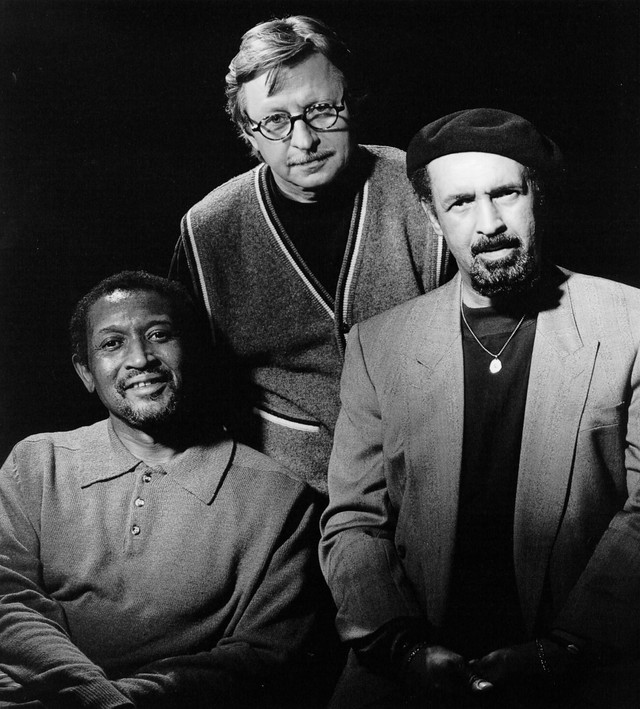
In 2001 Muhammad continued his work with <a href="spotify:artist:6gc6oo3u2f7SqTd4mhe81O">Jamal</a> and contributed to important outings such as <a href="spotify:artist:36YE6h8aN09ZKG4EhneDSf">Lovano</a>'s Flights of Fancy, <a href="spotify:artist:4FDlrSZ3mEv5Jvn482sCbZ">Stefon Harris</a>’ and <a href="spotify:artist:2I5A4xP3QGJEDKGhhXMAVr">Jacky Terrasson</a>'s Kindred, <a href="spotify:artist:29107k7pRQHk8z1uuoFQMs">Bobby Broom</a>'s Modern Man, and <a href="spotify:artist:6zudeEfsUpQ6R9WW8abFMi">Rodney Jones</a>' Soul Manifesto. In 2004, Muhammad, guitarist <a href="spotify:artist:4cFbprj4ZHownIe0HGCptT">Ximo Tebar</a>, and organist <a href="spotify:artist:2hpwTpq2QENZv7EAvniKDR">Joey DeFrancesco</a> issued the co-billed trio set The Champs for <a href="spotify:search:label%3A%22Sunnyside%22">Sunnyside</a>, his final date as a leader.
Muhammad's continued work with <a href="spotify:artist:6gc6oo3u2f7SqTd4mhe81O">Jamal</a> won him critical accolades on later albums, including After Fajr. He also played in <a href="spotify:artist:1KTUh4AYegM2fSdac5xqPb">Junior Mance</a>'s trio for the acclaimed Soul Eyes. In 2007, he joined young gun organist <a href="spotify:artist:6HLIDmXT3eehC2JNmMnerV">Wil Blades</a> for Sketchy alongside guitarist <a href="spotify:artist:0SZTSny7KuJ3mNIqCyveJr">Will Bernard</a>. In 2008 Muhammad and bassist <a href="spotify:artist:3JyE16s8xvc8ryAVdPjOHu">Cameron Brown</a> joined trombonist <a href="spotify:artist:4YuN1boMv1LQmVgV9prSs8">Raul De Souza</a>'s studio band for Soul & Creation; the year also saw the release of his final appearance with <a href="spotify:artist:6gc6oo3u2f7SqTd4mhe81O">Jamal</a> on It's Magic. That year the drummer also became an actor; he played a prominent role in Leigh Richert's comedy My Brother's Keeper, and in 2012 appeared as himself in guerilla filmmaker Mike Redman’s provocative documentary on sampling culture, Sample: Not for Sale. Muhammad, who had been undergoing kidney dialysis for some time, passed away at home in New Orleans in July of 2014. ~ Thom Jurek, Rovi
Muhammad was born Leo Morris in New Orleans' 13th Ward. His four siblings were also drummers. Despite the influence of heredity, Muhammad claimed in his autobiography Inside the Music that the hissing, clanging, bumping rhythms from the machinery at Buddy's Cleaners and Pressing Shop next door to the family's home provided the inspiration -- and syncopation -- for his playing signature. Other than what he picked up from his siblings and Buddy's, Muhammad was completely self-taught. His family was friends with the <a href="spotify:artist:3d1olqhURDe8e5HOta1Qxg">Nevilles</a> and that relationship helped in procuring his first real gig: At 15 he sat in with <a href="spotify:artist:4f9WzVkgm5FoJW8lGGmHkG">Art Neville and the Hawketts</a> on "Mardi Gras Mambo." The youngster played with a slew of musicians in the neighborhood and hung around Cosimo Matassa's studio to watch artists such as <a href="spotify:artist:2RyY5yFlJh6jIPfMDhHgyD">Professor Longhair</a>, <a href="spotify:artist:3ybBNyjii40yY104IZkcly">Ernie K. Doe</a>, and many more work their magic. At 17 he played on the <a href="spotify:artist:09C0xjtosNAIXP36wTnWxd">Fats Domino</a> recording session that netted "Blueberry Hill."
He toured with <a href="spotify:artist:6hnWRPzGGKiapVX1UCdEAC">Sam Cooke</a> at 18, before leaving to play behind Curtis Mayfield & the Impressions. In 1960, at age 21, he helmed the kit behind New Orleans R&B singer <a href="spotify:artist:25q0j1r1m5UM8GwFPLcopw">Joe Jones</a> on the hit "You Talk Too Much." He worked with <a href="spotify:artist:3QZKZBEmr54lAVI5XvmjnM">Coasters</a>' guitarist Sonny Forriest & His Orchestra on Tuff Pickin' for <a href="spotify:search:label%3A%22Decca%22">Decca</a> in 1966; that same year he converted to Islam and changed his name to Idris Muhammad (though labels he recorded for including <a href="spotify:search:label%3A%22Blue+Note%22">Blue Note</a> and <a href="spotify:search:label%3A%22Cadet%22">Cadet</a> continued to use his birth name in credits for some time). He won a traveling gig with saxophonist <a href="spotify:artist:063xkuRULzZu8fcoPR2rKR">Lou Donaldson</a> in 1966 and made his recording debut with him on Blowing in the Wind for <a href="spotify:search:label%3A%22Cadet%22">Cadet</a> in 1967. He remained with <a href="spotify:artist:063xkuRULzZu8fcoPR2rKR">Donaldson</a>'s band until 1973. Among the many albums they cut together are Alligator Boogaloo, Mr. Shing-A-Ling, Midnight Creeper, and Everything I Play Is Funky.
In 1968, Muhammad met <a href="spotify:artist:3b6TinIPahsS8iSCYAeinr">Galt MacDermot</a> and won the drum slot in the house band for the original Broadway production of Hair, and subsequently played and recorded with <a href="spotify:artist:3b6TinIPahsS8iSCYAeinr">MacDermot</a>'s studio bands. 1969 saw Muhammad's name(s) appear on a slew of significant recordings by <a href="spotify:artist:3ZUZYvTkSr7kJQyAXVpqaL">Donald Byrd</a> (Fancy Free), <a href="spotify:artist:68l2i6GeNtwQlhKS59u5bu">Paul Desmond</a> (Summertime), <a href="spotify:artist:4N8BwYTEC6XqykGvXXlmfv">George Benson</a> (Tell It Like It Is, The Other Side of Abbey Road), <a href="spotify:artist:6dAtGAnHCQ1ujMUZ9Ep82k">Grant Green</a> (Carryin' On), <a href="spotify:artist:3ud1yQWO0eEL8hVcXyU0Oi">Charles Earland</a> (Black Talk!), and <a href="spotify:artist:3JLUCojZaHrX2LaUkSj7Ud">Pharoah Sanders</a> (Jewels of Thought).
In 1970 Muhammad signed on as a house drummer for <a href="spotify:search:label%3A%22Prestige+Records%22">Prestige Records</a>. He played on seminal recordings that year by <a href="spotify:artist:5W164T3LzjqaiKel1g72ax">Rusty Bryant</a> and <a href="spotify:artist:338mC0yGyX0C9of8QMJ5hK">Gene Ammons</a> and continued to work with <a href="spotify:search:label%3A%22Blue+Note%22">Blue Note</a> artists including <a href="spotify:artist:5ZATfKurLqflrBhv2FLht5">Horace Silver</a>. In 1971 Muhammad released his leader debut, Black Rhythm Revolution!, with a septet that included pianist <a href="spotify:artist:0CHdvqcELhkUJEsftEZ965">Harold Mabern</a> and <a href="spotify:artist:0S7VS7ckdWsmpPgHTvWd3c">Melvin Sparks</a>. He followed it a few months later with Peace and Rhythm with <a href="spotify:artist:4wnzivx3OQ3vjrySAdTdJP">Ron Carter</a> on bass. During those two years, Muhammad's life was almost literally spent in the studio. He played on no less than three-dozen recordings including his own, and appeared on now-classic outings by <a href="spotify:artist:3QKktX309XIKJEYkoLJ3TB">Walter Bishop, Jr.</a> (Coral Keys), <a href="spotify:artist:05YVYeV4HxYp5rrWalvuE1">Grover Washington, Jr.</a> (Inner City Blues and Soul Box), <a href="spotify:artist:5W164T3LzjqaiKel1g72ax">Rusty Bryant</a> (Fire Eater), and <a href="spotify:artist:0JbqyQSsMK7TavqlR0yNON">Bobbi Humphrey</a> (Flute In).
In 1973, Muhammad signed to <a href="spotify:search:label%3A%22Kudu%22">Kudu</a> and issued Power of Soul, his signature recording and an undisputed, oft-sampled jazz-funk classic. Comprised of four long pieces, its lineup included <a href="spotify:artist:6ryjbFyWBZho9KGXqKZdqQ">Bob James</a> (who arranged the set), <a href="spotify:artist:3Rsba5XTDhxUyjK4sn1wBj">Randy Brecker</a>, <a href="spotify:artist:1RJ851hDpoU9UUIiC9duIU">Ralph MacDonald</a>, <a href="spotify:artist:7ffXgsphD60oasltiYDe0M">Joe Beck</a>, and <a href="spotify:artist:05YVYeV4HxYp5rrWalvuE1">Washington, Jr.</a> (<a href="spotify:artist:03r4iKL2g2442PT9n2UKsx">The Beastie Boys</a>' Paul's Boutique opens with a lengthy sample of "Loran’s Dance," Power of Soul's final track.) Inarguably a jazz outing, Muhammad claimed in an interview that he was a funk drummer, not a jazz drummer. That same year, he participated in the bicoastal sessions for Brazilian guitarist <a href="spotify:artist:174ThXFgQg2VCq9r3m8ceb">Luiz Bonfa</a>'s historic Jacaranda. Arranged by Deodato, it is inarguably one of the greatest fusion sides of the '70s. Some of the other participants in these sessions included <a href="spotify:artist:7yyIIRJV6dklQEvISTzRjE">Airto</a>, <a href="spotify:artist:1lGt9WgdYGpMnmwGkcCm05">Stanley Clarke</a>, <a href="spotify:artist:2h4ndKS2vRWeFLpq8ARu0D">Ray Barretto</a>, <a href="spotify:artist:0WPM7cWlRjCwho6G09x2S2">John Tropea</a>, and <a href="spotify:artist:3Rsba5XTDhxUyjK4sn1wBj">Brecker</a>.
Given the critical reception of the album, the drummer's studio commitments increased. He played on <a href="spotify:artist:0W498bDDNlJIrYMKXdpLHA">Roberta Flack</a>'s signature hit single "Killing Me Softly" and its accompanying album, and played on dates led by <a href="spotify:artist:7KjjSmSX5wCE1KYOerEf6D">Nat Adderley</a>, <a href="spotify:artist:2dRsXWVnkku2cMDtV1h6NP">Stanley Turrentine</a>, <a href="spotify:artist:6OBKNqNkRe1Z5VA1TBvMuH">Morgana King</a>, <a href="spotify:artist:7ufZw0wQAJmH6I1OXCtIIe">Eric Gale</a>, <a href="spotify:artist:71cyZ6pH0KrM2MdtO8RGmy">Merry Clayton</a>, and <a href="spotify:artist:6ryjbFyWBZho9KGXqKZdqQ">James</a>. In 1975 he recorded House of the Rising Sun. Arranged by David Matthews and <a href="spotify:artist:3YO63Be7QxrxqBQtgKc4Oc">Tom Harrell</a>, and produced by <a href="spotify:artist:26wgGfiLU6HFdl5ZPo10ev">Creed Taylor</a>, it offered a unique hearing of the drummer's musically integrated vision. A funked-up reading of the traditional title track led forays into the jazzy soul of <a href="spotify:artist:2EURsXo9qlt1aMWlviGCRi">Ashford & Simpson</a> ("Hard to Face the Music,") an adaptation of <a href="spotify:artist:7y97mc3bZRFXzT2szRM4L4">Chopin</a>'s Prelude No. 4 ("Theme for New York City"), <a href="spotify:artist:3d1olqhURDe8e5HOta1Qxg">the Neville Brothers</a>' NOLA funk ("Hey Pocky A-Way"), and Brazilian fusion in <a href="spotify:artist:5hyojPlWFuUbkzy2bOgmcJ">Ary Barroso</a> (“Baia”). It also included the modal funk of the oft-sampled "Sudan," co-composed by Muhammad and <a href="spotify:artist:3YO63Be7QxrxqBQtgKc4Oc">Harrell</a>. The session's lineup included saxophonists <a href="spotify:artist:7vNcTk9TgKF0qDsS87nWGE">David Sanborn</a>, <a href="spotify:artist:1gqL9JWgVW2O87KbYWPNbC">Bob Berg</a>, and <a href="spotify:artist:0ugeHL6lEUsqwhHjTebNpV">Ronnie Cuber</a>, with <a href="spotify:artist:3YO63Be7QxrxqBQtgKc4Oc">Harrell</a> on trumpet, <a href="spotify:artist:4yfYzng7htuuRXosAJYtun">Will Lee</a> on bass, and guitars by <a href="spotify:artist:7ufZw0wQAJmH6I1OXCtIIe">Eric Gale</a> and <a href="spotify:artist:7ffXgsphD60oasltiYDe0M">Beck</a>. The album peaked at 51 on the R&B charts.
Muhammad continued working with <a href="spotify:artist:0W498bDDNlJIrYMKXdpLHA">Flack</a>. He played on Feel Like Makin' Love, and branched out to work with other R&B artists including <a href="spotify:artist:6I7tqjEzznFPrardDfvsvq">Gene McDaniels</a> and <a href="spotify:artist:7azp9wRyXcxIq5vZnJgYvt">Dexter Wansel</a>. In 1977, Muhammad released Turn This Mutha Out, a then-controversial jazz-funk and disco outing that has since become a staple among DJs, rappers, and producers. It placed in the Top 200 and spent 19 weeks on the charts. There was little time to tour as a leader; Muhammad was intensely busy alternating between recording and live roles with bandleaders <a href="spotify:artist:16Xx0WCnAKOA9mwPPSUJmr">Houston Person</a>, <a href="spotify:artist:5OPNYwuIto3q4ac46rIIZC">David "Fathead" Newman</a>, and <a href="spotify:artist:7uUrPQUnxCoQusOAh5I0D1">Hilton Ruiz</a>.
In 1978 he doubled down on the disco-jazz fusion with Boogie to the Top, his final outing for <a href="spotify:search:label%3A%22Kudu%22">Kudu</a>, and used most of the cast from his previous outing. It peaked at 45 on the R&B Albums chart. Three other tracks made it into the Top 40 on the Dance Club charts. That same year, <a href="spotify:artist:6ryjbFyWBZho9KGXqKZdqQ">James</a> enlisted Muhammad as his drummer for the historic 1978 multi-platinum-selling album Touchdown and its chart-topping "Angela" (the title theme for the television series Taxi). Muhammad ended the decade with Foxhuntin' for <a href="spotify:search:label%3A%22Fantasy%22">Fantasy</a>, a further trip down the disco rabbit hole. He also worked with <a href="spotify:artist:6ryjbFyWBZho9KGXqKZdqQ">James</a> on the chart-topping Lucky Seven and <a href="spotify:artist:2oVwztjpHpJlAvlVVuqVa0">Mongo Santamaria</a> on Red Hot.
In 1980 Muhammad issued Make It Count for <a href="spotify:search:label%3A%22Fantasy%22">Fantasy</a>. A further disco and funk offering, it sank almost without a trace. That same year, however, marked his acclaimed return to jazz with the quartet offering Kabsha on <a href="spotify:search:label%3A%22Theresa%22">Theresa</a>, featuring <a href="spotify:artist:3JLUCojZaHrX2LaUkSj7Ud">Sanders</a>, <a href="spotify:artist:2bznm4QNyfgutcxCbRAfwH">George Coleman</a>, and <a href="spotify:artist:06zGDdseDUlrQgqogXA3mP">Ray Drummond</a>. The session came about because Muhammad, who had played on <a href="spotify:artist:3JLUCojZaHrX2LaUkSj7Ud">Sanders</a>’ Journey to the One, impressed the label bosses and was subsequently offered a one-album deal. The drummer's and saxophonist's reunion went so well that they spent the remainder of the decade playing together on recordings such as <a href="spotify:artist:3JLUCojZaHrX2LaUkSj7Ud">Sanders</a>'s Live, Heart Is a Melody, Shukuru, and Africa. Muhammad was intensely active during the decade; he played on dozens of recordings and worked live with <a href="spotify:artist:2JzTVgQ5vs7k1gGXbC5DWG">John Hicks</a> and <a href="spotify:artist:52cM6vrM4MJ8g4H7Ibo5fZ">Johnny Griffin</a>, as well as on dates by <a href="spotify:artist:1OdyhpUABf8avaZ9r8nI1u">the Fania All-Stars</a>, <a href="spotify:artist:1YENA5yMZMS2ta6wzLKWPg">Johnny Lytle</a>, <a href="spotify:artist:1fJEAxQLhUQdBmUjsj3vIF">Steve Turre</a>, <a href="spotify:artist:5IncNYeCNPQoNYU6gR1wpR">Doc Cheatham</a>, <a href="spotify:artist:0f7pA0ZG37SikMY7RZIDx3">Tony Coe</a>, and <a href="spotify:artist:57fCBf7506avv91VXx6KIb">Benny Bailey</a>. In addition, the drummer remained a regular contributor to studio dates led by <a href="spotify:artist:6ryjbFyWBZho9KGXqKZdqQ">Bob James</a> and <a href="spotify:artist:05YVYeV4HxYp5rrWalvuE1">Grover Washington, Jr.</a>
In 1990, Muhammad released My Turn, a jazz-funk outing for Germany's <a href="spotify:search:label%3A%22Lipstick+Records%22">Lipstick Records</a> label. Recorded at Minot Studio in White Plains, New York, its lineup included guitarist <a href="spotify:artist:4JKt7ekkdHhrtoTMtSwodO">Hiram Bullock</a>, <a href="spotify:artist:3Rsba5XTDhxUyjK4sn1wBj">Brecker</a>, <a href="spotify:artist:6ryjbFyWBZho9KGXqKZdqQ">James</a>, and <a href="spotify:artist:05YVYeV4HxYp5rrWalvuE1">Washington, Jr.</a> It also featured Muhammad's then-wife, singer/songwriter Sakinah Muhammad, on lead vocals. He also continued to work with the <a href="spotify:artist:2JzTVgQ5vs7k1gGXbC5DWG">Hicks</a>' trio in the studio and on the road. He joined pianist <a href="spotify:artist:6Cx6WhEWHJWPeiFspDCwDR">Randy Weston</a>'s studio band for the acclaimed late-career "Portraits" trilogy (Portraits of Thelonious Monk, Portraits of Duke Ellington, and Self Portraits: The Last Day), as well as The Spirits of Our Ancestors and Africa.
In 1995 Muhammad joined the <a href="spotify:artist:0BqALs1lInR9TTOulUADH7">Ahmad Jamal Trio</a> and appeared on all three volumes of the pianist's The Essence trilogy, commencing a working relationship that would continue through 2008. During the remainder of the '90s, Muhammad remained a first-call session player, working on albums by <a href="spotify:artist:14RXohtx6NiBGFTW8IdmAK">John Scofield</a>, <a href="spotify:artist:00SOiqZ0YGY2JhjSPxZMZg">David Murray</a>, Jamaican guitarist <a href="spotify:artist:6RTCb5pWKinqlUyG2qacit">Ernest Ranglin</a>, and <a href="spotify:artist:1VEzN9lxvG6KPR3QQGsebR">Sonny Rollins</a>. In 1998 the drummer released his own Right Now for the independent <a href="spotify:search:label%3A%22Cannonball+Records%22">Cannonball Records</a>, accompanied by <a href="spotify:artist:5ArqvMflDEhxdqW8sBBQUQ">Gary Bartz</a>, <a href="spotify:artist:2bznm4QNyfgutcxCbRAfwH">Coleman</a>, <a href="spotify:artist:268qOyQLJyffQJGYoXNH22">Curtis Lundy</a>, and <a href="spotify:artist:36YE6h8aN09ZKG4EhneDSf">Joe Lovano</a>.
In 2001 Muhammad continued his work with <a href="spotify:artist:6gc6oo3u2f7SqTd4mhe81O">Jamal</a> and contributed to important outings such as <a href="spotify:artist:36YE6h8aN09ZKG4EhneDSf">Lovano</a>'s Flights of Fancy, <a href="spotify:artist:4FDlrSZ3mEv5Jvn482sCbZ">Stefon Harris</a>’ and <a href="spotify:artist:2I5A4xP3QGJEDKGhhXMAVr">Jacky Terrasson</a>'s Kindred, <a href="spotify:artist:29107k7pRQHk8z1uuoFQMs">Bobby Broom</a>'s Modern Man, and <a href="spotify:artist:6zudeEfsUpQ6R9WW8abFMi">Rodney Jones</a>' Soul Manifesto. In 2004, Muhammad, guitarist <a href="spotify:artist:4cFbprj4ZHownIe0HGCptT">Ximo Tebar</a>, and organist <a href="spotify:artist:2hpwTpq2QENZv7EAvniKDR">Joey DeFrancesco</a> issued the co-billed trio set The Champs for <a href="spotify:search:label%3A%22Sunnyside%22">Sunnyside</a>, his final date as a leader.
Muhammad's continued work with <a href="spotify:artist:6gc6oo3u2f7SqTd4mhe81O">Jamal</a> won him critical accolades on later albums, including After Fajr. He also played in <a href="spotify:artist:1KTUh4AYegM2fSdac5xqPb">Junior Mance</a>'s trio for the acclaimed Soul Eyes. In 2007, he joined young gun organist <a href="spotify:artist:6HLIDmXT3eehC2JNmMnerV">Wil Blades</a> for Sketchy alongside guitarist <a href="spotify:artist:0SZTSny7KuJ3mNIqCyveJr">Will Bernard</a>. In 2008 Muhammad and bassist <a href="spotify:artist:3JyE16s8xvc8ryAVdPjOHu">Cameron Brown</a> joined trombonist <a href="spotify:artist:4YuN1boMv1LQmVgV9prSs8">Raul De Souza</a>'s studio band for Soul & Creation; the year also saw the release of his final appearance with <a href="spotify:artist:6gc6oo3u2f7SqTd4mhe81O">Jamal</a> on It's Magic. That year the drummer also became an actor; he played a prominent role in Leigh Richert's comedy My Brother's Keeper, and in 2012 appeared as himself in guerilla filmmaker Mike Redman’s provocative documentary on sampling culture, Sample: Not for Sale. Muhammad, who had been undergoing kidney dialysis for some time, passed away at home in New Orleans in July of 2014. ~ Thom Jurek, Rovi
Monthly Listeners
321,500
Monthly Listeners History
Track the evolution of monthly listeners over the last 28 days.
Followers
91,610
Followers History
Track the evolution of followers over the last 28 days.
Top Cities
12,381 listeners

6,573 listeners
5,881 listeners
5,477 listeners
4,090 listeners
Related Artists