Data may be outdated
Last updated: 7 months ago — Click refresh to get the latest statistics.
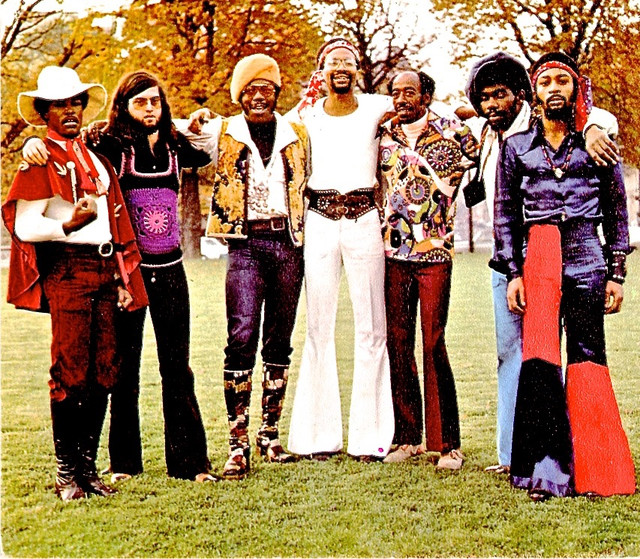
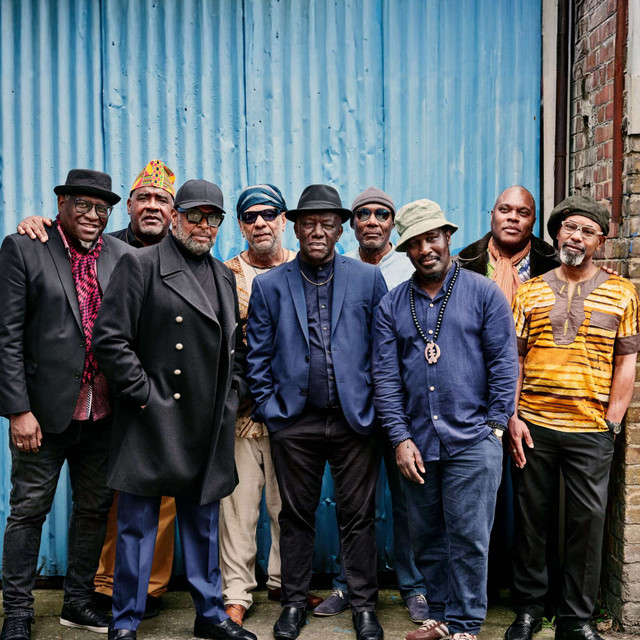
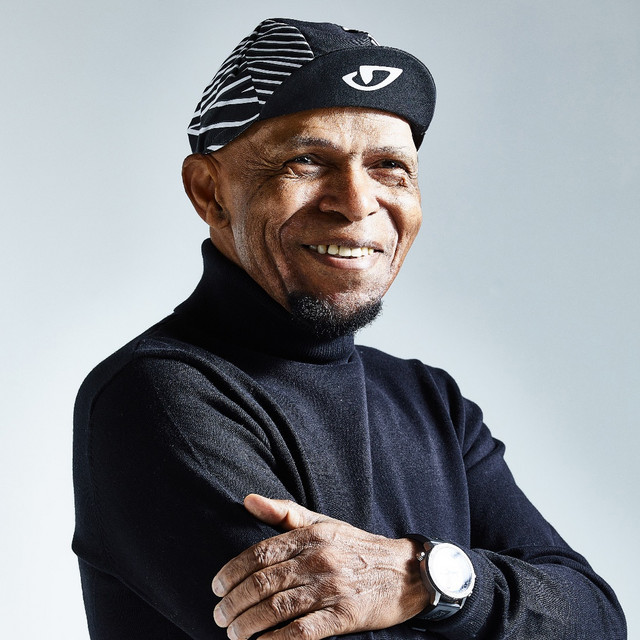
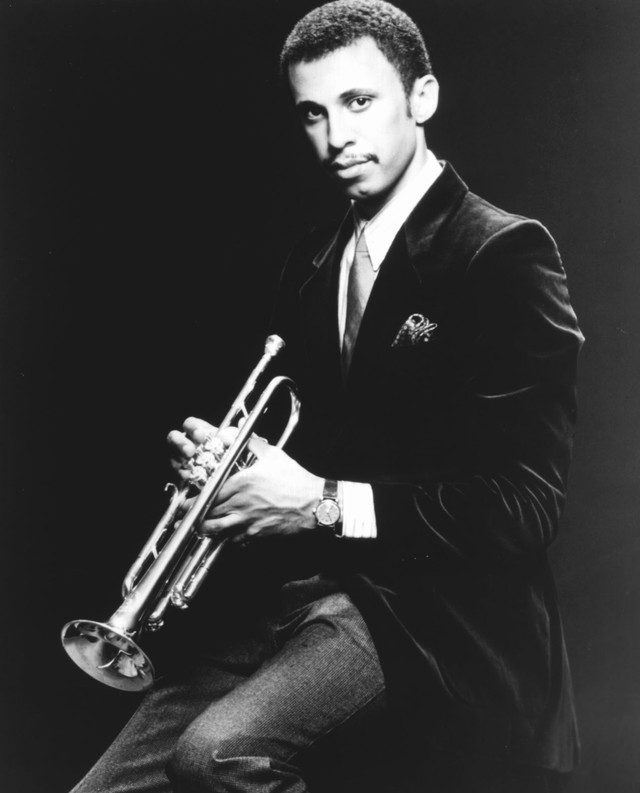
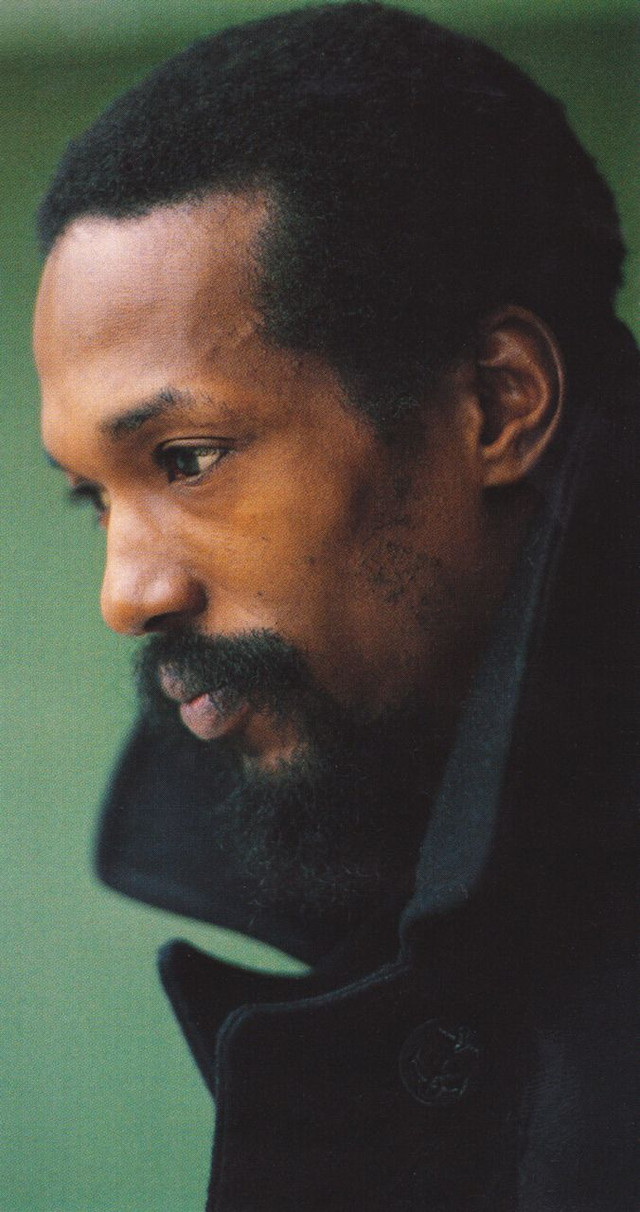
One of the most visible and winning vibraphonists since the early 1960s, Roy Ayers' reputation is that of one of the major prophets of jazz-funk and acid jazz, a man decades ahead of his time who successfully erased the boundaries between the various genres and styles of Black music in America. His playing signature has always been rooted in hard bop; it's crisp, lyrical, and rhythmically resilient. Though he issued fine hard and post-bop records for <a href="spotify:search:label%3A%22Atlantic%22">Atlantic</a> in the 1960s, he formed <a href="spotify:artist:3WbeZvDk1COiO2dEokZqn7">Roy Ayers' Ubiquity</a>, and issued their eponymous <a href="spotify:search:label%3A%22Polydor%22">Polydor</a> debut album in 1970 that showcased his groundbreaking evolution of jazz styles, slinky soul, and driving dancefloor funk. Over the next 12 years, he issued, produced and arranged a stream of influential albums for the label that included He's Coming (1972), Virgo Red, Red Black and Green (1973), Change Up The Groove (1974), Mystic Voyage and A Tear To A Smile (1975) Everybody Loves The Sunshine (1976), and Music Of Many Colours with <a href="spotify:artist:5CG9X521RDFWCuAhlo6QoR">Fela Kuti</a> (1980). During the late 1990s and well into the 21st century, Ayers toured Europe and Asia relentlessly, recorded sporadically, and oversaw compilation and archival releases including <a href="spotify:search:label%3A%22BBE%22">BBE</a>'s two-volume Virgin Ubiquity series of unissued recordings.
Growing up in a musical family -- his father played trombone, his mother taught him the piano -- the five-year-old Ayers was given a set of vibe mallets by <a href="spotify:artist:2PjgZkwAEk7UTin4jP6HLP">Lionel Hampton</a>, but didn't start on the instrument until he was 17. He got involved in the West Coast jazz scene in his early twenties, recording with <a href="spotify:artist:57uB1nsVzhNMAj2xZBG0BW">Curtis Amy</a> (1962), <a href="spotify:artist:1MJpO71ShS9nmFAbT6KM2n">Jack Wilson</a> (1963 to 1967), and <a href="spotify:artist:3uFJaB8DycK3ZlWTzY3d6A">the Gerald Wilson Orchestra</a> (1965 to 1966), and playing with <a href="spotify:artist:1R4eHHIR7Tqx0zje5jzJN8">Teddy Edwards</a>, <a href="spotify:artist:31NF3yc9DoAdh2bgR6mY04">Chico Hamilton</a>, <a href="spotify:artist:6BvSJSt6l7QJO2GHvtwFOK">Hampton Hawes</a>, and <a href="spotify:artist:1WsMRWV5KEC2AxpYkeb2Cf">Phineas Newborn</a>. A session with <a href="spotify:artist:6ycoXr0Ayd89vFUT6BOiWo">Herbie Mann</a> at The Lighthouse in Hermosa Beach led to a four-year gig with the versatile flutist (1966 to 1970), an experience that gave Ayers tremendous exposure and opened his ears to styles of music other than the bebop that he had grown up with.
After being featured prominently on <a href="spotify:artist:3UpIbyXfGzmHG6TMH4dJEk">Mann</a>'s hit Memphis Underground album and recording three solo albums for <a href="spotify:search:label%3A%22Atlantic%22">Atlantic</a> under <a href="spotify:artist:3UpIbyXfGzmHG6TMH4dJEk">Mann</a>'s supervision, Ayers left the group in 1970 to form <a href="spotify:artist:3WbeZvDk1COiO2dEokZqn7">the Roy Ayers Ubiquity</a>, which recorded several albums for <a href="spotify:search:label%3A%22Polydor%22">Polydor</a> and featured such players as <a href="spotify:artist:5cBKYADHFTngJVZG8qCFTY">Sonny Fortune</a>, <a href="spotify:artist:0IwfuIL3gUJxjzUqY3wJ3j">Billy Cobham</a>, <a href="spotify:artist:6jJcdCcI6czvcCnM1D1lWg">Omar Hakim</a>, and <a href="spotify:artist:0UXy6wqMmVQ7PIWFNSXqdk">Alphonse Mouzon</a>. Initially influenced by electric <a href="spotify:artist:0kbYTNQb4Pb1rPbbaF0pT4">Miles Davis</a> and <a href="spotify:artist:2ZvrvbQNrHKwjT7qfGFFUW">the Herbie Hancock Sextet</a>, <a href="spotify:artist:3WbeZvDk1COiO2dEokZqn7">Ubiquity</a> gradually shed its jazz component in favor of R&B, funk, and soulful disco, and put together a string of albums that hovered around the Top Ten of the R&B chart. These included Mystic Voyage, Everybody Loves the Sunshine, Vibrations, and Lifeline, which were released from 1975 through 1977. The last LP in this run featured "Running Away," a Top 20 hit on the R&B and disco charts.
During the '80s, besides leading his bands and recording, Ayers collaborated with Nigerian musician <a href="spotify:artist:5CG9X521RDFWCuAhlo6QoR">Fela Kuti</a>, formed <a href="spotify:search:label%3A%22Uno+Melodic+Records%22">Uno Melodic Records</a>, and produced and/or co-wrote several recordings for various artists. As the merger of hip-hop and jazz took hold in the early '90s, Ayers made a guest appearance on <a href="spotify:artist:6xyaria4AcxjRuJZLkWvMW">Guru</a>'s seminal Jazzmatazz album in 1993 and played at New York clubs with <a href="spotify:artist:6xyaria4AcxjRuJZLkWvMW">Guru</a> and <a href="spotify:artist:3ZUZYvTkSr7kJQyAXVpqaL">Donald Byrd</a>. Ayers continued to make featured appearances on assorted recordings, including albums with <a href="spotify:artist:5TwkQS7cDvQTDId3sjsF9q">the Soul Society</a>, <a href="spotify:artist:4yJ5JaEQvtAynbcucAiN0R">the James Taylor Quartet</a>, 3D, and Postmodern Jazz. He led dates far less often than he had in the previous decades but remained active as a performer.
In 2020, he teamed with <a href="spotify:artist:6adBZwsyxZuWDoty0Tg0lt">Ali Shaheed Muhammad</a> and <a href="spotify:artist:4aMeIY7MkJoZg7O91cmDDd">Adrian Younge</a> for Roy Ayers JID002, the second volume in the duo's Jazz Is Dead series. <a href="spotify:artist:6adBZwsyxZuWDoty0Tg0lt">Muhammad</a>'s <a href="spotify:artist:09hVIj6vWgoCDtT03h8ZCa">A Tribe Called Quest</a> was among the dozens of rap groups who exposed Ayers' '70s work to a younger generation.
Later that year, <a href="spotify:search:label%3A%22BBE%22">BBE</a> released the digital single "Reaching for the Highest Pleasure." An earlier version from 1977 had been championed by <a href="spotify:artist:4fH73bVIwM24QrBqjTrhAA">Gilles Peterson</a> and was included on the first of <a href="spotify:search:label%3A%22BBE%22">BBE</a>'s two Virgin Ubiquity (Unreleased Recordings 1976-1981) volumes in 2003. This longer take offered an extended Ayers' vibraphone solo atop a tight, circular bassline, showcasing the more spiritual side of the artist's iconic jazz-funk. In October 2022, <a href="spotify:search:label%3A%22BBE%22">BBE</a> gave "Searching for the Highest Pleasure" its first-ever vinyl release as a 10" single. The flipside "I Am Your Mind, Pt. 2" was remixed by Parisian producer <a href="spotify:artist:0yoXd0lpIZSFKYRbW6LS5n">Pépé Bradock</a> (aka Julien Auger); it originally appeared on 2006's Virgin Ubiquity Remixed. ~ Richard S. Ginell, Rovi
Growing up in a musical family -- his father played trombone, his mother taught him the piano -- the five-year-old Ayers was given a set of vibe mallets by <a href="spotify:artist:2PjgZkwAEk7UTin4jP6HLP">Lionel Hampton</a>, but didn't start on the instrument until he was 17. He got involved in the West Coast jazz scene in his early twenties, recording with <a href="spotify:artist:57uB1nsVzhNMAj2xZBG0BW">Curtis Amy</a> (1962), <a href="spotify:artist:1MJpO71ShS9nmFAbT6KM2n">Jack Wilson</a> (1963 to 1967), and <a href="spotify:artist:3uFJaB8DycK3ZlWTzY3d6A">the Gerald Wilson Orchestra</a> (1965 to 1966), and playing with <a href="spotify:artist:1R4eHHIR7Tqx0zje5jzJN8">Teddy Edwards</a>, <a href="spotify:artist:31NF3yc9DoAdh2bgR6mY04">Chico Hamilton</a>, <a href="spotify:artist:6BvSJSt6l7QJO2GHvtwFOK">Hampton Hawes</a>, and <a href="spotify:artist:1WsMRWV5KEC2AxpYkeb2Cf">Phineas Newborn</a>. A session with <a href="spotify:artist:6ycoXr0Ayd89vFUT6BOiWo">Herbie Mann</a> at The Lighthouse in Hermosa Beach led to a four-year gig with the versatile flutist (1966 to 1970), an experience that gave Ayers tremendous exposure and opened his ears to styles of music other than the bebop that he had grown up with.
After being featured prominently on <a href="spotify:artist:3UpIbyXfGzmHG6TMH4dJEk">Mann</a>'s hit Memphis Underground album and recording three solo albums for <a href="spotify:search:label%3A%22Atlantic%22">Atlantic</a> under <a href="spotify:artist:3UpIbyXfGzmHG6TMH4dJEk">Mann</a>'s supervision, Ayers left the group in 1970 to form <a href="spotify:artist:3WbeZvDk1COiO2dEokZqn7">the Roy Ayers Ubiquity</a>, which recorded several albums for <a href="spotify:search:label%3A%22Polydor%22">Polydor</a> and featured such players as <a href="spotify:artist:5cBKYADHFTngJVZG8qCFTY">Sonny Fortune</a>, <a href="spotify:artist:0IwfuIL3gUJxjzUqY3wJ3j">Billy Cobham</a>, <a href="spotify:artist:6jJcdCcI6czvcCnM1D1lWg">Omar Hakim</a>, and <a href="spotify:artist:0UXy6wqMmVQ7PIWFNSXqdk">Alphonse Mouzon</a>. Initially influenced by electric <a href="spotify:artist:0kbYTNQb4Pb1rPbbaF0pT4">Miles Davis</a> and <a href="spotify:artist:2ZvrvbQNrHKwjT7qfGFFUW">the Herbie Hancock Sextet</a>, <a href="spotify:artist:3WbeZvDk1COiO2dEokZqn7">Ubiquity</a> gradually shed its jazz component in favor of R&B, funk, and soulful disco, and put together a string of albums that hovered around the Top Ten of the R&B chart. These included Mystic Voyage, Everybody Loves the Sunshine, Vibrations, and Lifeline, which were released from 1975 through 1977. The last LP in this run featured "Running Away," a Top 20 hit on the R&B and disco charts.
During the '80s, besides leading his bands and recording, Ayers collaborated with Nigerian musician <a href="spotify:artist:5CG9X521RDFWCuAhlo6QoR">Fela Kuti</a>, formed <a href="spotify:search:label%3A%22Uno+Melodic+Records%22">Uno Melodic Records</a>, and produced and/or co-wrote several recordings for various artists. As the merger of hip-hop and jazz took hold in the early '90s, Ayers made a guest appearance on <a href="spotify:artist:6xyaria4AcxjRuJZLkWvMW">Guru</a>'s seminal Jazzmatazz album in 1993 and played at New York clubs with <a href="spotify:artist:6xyaria4AcxjRuJZLkWvMW">Guru</a> and <a href="spotify:artist:3ZUZYvTkSr7kJQyAXVpqaL">Donald Byrd</a>. Ayers continued to make featured appearances on assorted recordings, including albums with <a href="spotify:artist:5TwkQS7cDvQTDId3sjsF9q">the Soul Society</a>, <a href="spotify:artist:4yJ5JaEQvtAynbcucAiN0R">the James Taylor Quartet</a>, 3D, and Postmodern Jazz. He led dates far less often than he had in the previous decades but remained active as a performer.
In 2020, he teamed with <a href="spotify:artist:6adBZwsyxZuWDoty0Tg0lt">Ali Shaheed Muhammad</a> and <a href="spotify:artist:4aMeIY7MkJoZg7O91cmDDd">Adrian Younge</a> for Roy Ayers JID002, the second volume in the duo's Jazz Is Dead series. <a href="spotify:artist:6adBZwsyxZuWDoty0Tg0lt">Muhammad</a>'s <a href="spotify:artist:09hVIj6vWgoCDtT03h8ZCa">A Tribe Called Quest</a> was among the dozens of rap groups who exposed Ayers' '70s work to a younger generation.
Later that year, <a href="spotify:search:label%3A%22BBE%22">BBE</a> released the digital single "Reaching for the Highest Pleasure." An earlier version from 1977 had been championed by <a href="spotify:artist:4fH73bVIwM24QrBqjTrhAA">Gilles Peterson</a> and was included on the first of <a href="spotify:search:label%3A%22BBE%22">BBE</a>'s two Virgin Ubiquity (Unreleased Recordings 1976-1981) volumes in 2003. This longer take offered an extended Ayers' vibraphone solo atop a tight, circular bassline, showcasing the more spiritual side of the artist's iconic jazz-funk. In October 2022, <a href="spotify:search:label%3A%22BBE%22">BBE</a> gave "Searching for the Highest Pleasure" its first-ever vinyl release as a 10" single. The flipside "I Am Your Mind, Pt. 2" was remixed by Parisian producer <a href="spotify:artist:0yoXd0lpIZSFKYRbW6LS5n">Pépé Bradock</a> (aka Julien Auger); it originally appeared on 2006's Virgin Ubiquity Remixed. ~ Richard S. Ginell, Rovi
Monthly Listeners
281,106
Monthly Listeners History
Track the evolution of monthly listeners over the last 28 days.
Followers
274,818
Followers History
Track the evolution of followers over the last 28 days.
Top Cities
13,087 listeners

6,356 listeners

4,686 listeners
3,650 listeners
3,359 listeners