Genre
punk
Top Punk Artists
Showing 25 of 1,715 artists




About Punk
Punk is more than a genre; it is a raw, transformative sonic and cultural attitude that emerged in the mid-1970s as a reaction against perceived excesses in rock music and mainstream culture. Born from a do-it-yourself ethos, punk distilled energy, immediacy, and directness into concise, abrasive songs that could be written, recorded, and distributed outside the major industry machine. Its anarchic impulse, practical DIY ethics, and confrontational aesthetics became a template for countless subcultures and scenes around the world.
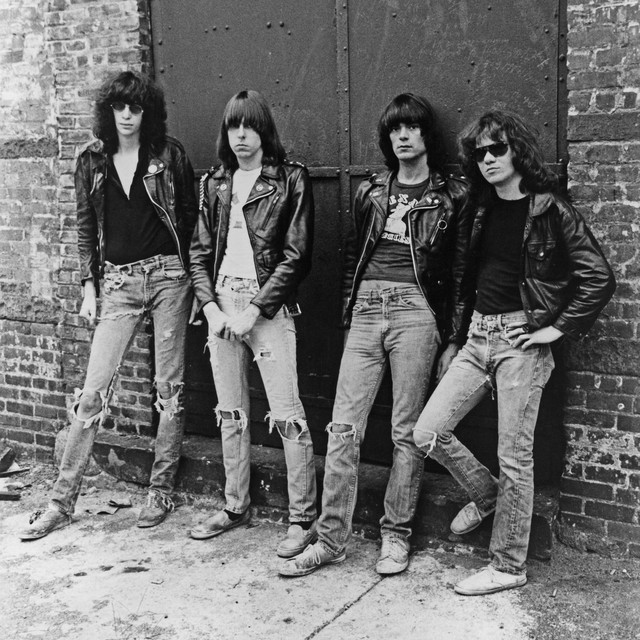
The birthplace of punk is commonly traced to two parallel scenes: New York and London. In New York, the Ramones, whose first single in 1976 helped crystallize the sound, brought stripped-down, three-chord propulsion and a sense of unpolished urgency. In London, the Sex Pistols and later The Clash translated that energy into a sharper social critique, flamboyant controversy, and a more overt political edge. The Clash balanced aggression with melody and pointed lyrics, helping to fuse punk with a broader street-level cultural movement. The era’s iconic figures—Joey Ramone, Johnny Rotten, Sid Vicious, Joe Strummer—became ambassadors for a movement that valued immediacy over polish and message over virtuosity.
Musically, punk favors fast tempos, treble-forward guitars, simple power-chord progressions, and often shouted or sneering vocal delivery. Songs are typically short, puncturing the listener with direct, often provocative lyrics that address alienation, class, politics, and rebellion. Production tends to be minimal and rough around the edges, emphasizing energy and live immediacy over studio perfection. This sonic simplicity proved contagious: bands could write and perform quickly, releasing records on independent labels and through self-made channels, a core aspect of punk’s lasting appeal.
Punk did not stay a single sound but branched into numerous subgenres and regional scenes. Hardcore punk intensified the speed and aggression in the late 1970s and early 1980s with bands like Black Flag, Dead Kennedys, Bad Brains, and Minor Threat, emphasizing a more aggressive, often shorter format and a fierce, disciplined DIY culture. Post-punk bands such as Siouxsie and the Banshees and Joy Division pushed punk’s sensibility toward moodier, more experimental territory. Pop-punk and skate-punk (think later Green Day or The Offspring in the mainstream) brought punk’s energy into more accessible, melody-driven territory, while anarcho-punk and oi! focused on political messaging and street-level subcultures. Across these branches, the core spirit remained: resistance to commercial mainstream, community-driven scenes, and a relentless commitment to authenticity.
Punk’s global footprint is vast. It remains most central in the United States and the United Kingdom, but its influence spreads through Europe (Germany, Italy, France, Spain, and beyond), Latin America (notably Argentina and Brazil), Asia (Japan has a vibrant, long-running punk and indie scene), and Australia. Each region added its own language, politics, and aesthetics to the music, creating a tapestry of voices that still echoes in clubs, basements, and stages today.
For music enthusiasts, punk is a reminder that music can be immediate, egalitarian, and disruptive — a reliable proving ground for ideas and energy that continues to inspire new generations to pick up a guitar, pick a fight, and press record.
The birthplace of punk is commonly traced to two parallel scenes: New York and London. In New York, the Ramones, whose first single in 1976 helped crystallize the sound, brought stripped-down, three-chord propulsion and a sense of unpolished urgency. In London, the Sex Pistols and later The Clash translated that energy into a sharper social critique, flamboyant controversy, and a more overt political edge. The Clash balanced aggression with melody and pointed lyrics, helping to fuse punk with a broader street-level cultural movement. The era’s iconic figures—Joey Ramone, Johnny Rotten, Sid Vicious, Joe Strummer—became ambassadors for a movement that valued immediacy over polish and message over virtuosity.
Musically, punk favors fast tempos, treble-forward guitars, simple power-chord progressions, and often shouted or sneering vocal delivery. Songs are typically short, puncturing the listener with direct, often provocative lyrics that address alienation, class, politics, and rebellion. Production tends to be minimal and rough around the edges, emphasizing energy and live immediacy over studio perfection. This sonic simplicity proved contagious: bands could write and perform quickly, releasing records on independent labels and through self-made channels, a core aspect of punk’s lasting appeal.
Punk did not stay a single sound but branched into numerous subgenres and regional scenes. Hardcore punk intensified the speed and aggression in the late 1970s and early 1980s with bands like Black Flag, Dead Kennedys, Bad Brains, and Minor Threat, emphasizing a more aggressive, often shorter format and a fierce, disciplined DIY culture. Post-punk bands such as Siouxsie and the Banshees and Joy Division pushed punk’s sensibility toward moodier, more experimental territory. Pop-punk and skate-punk (think later Green Day or The Offspring in the mainstream) brought punk’s energy into more accessible, melody-driven territory, while anarcho-punk and oi! focused on political messaging and street-level subcultures. Across these branches, the core spirit remained: resistance to commercial mainstream, community-driven scenes, and a relentless commitment to authenticity.
Punk’s global footprint is vast. It remains most central in the United States and the United Kingdom, but its influence spreads through Europe (Germany, Italy, France, Spain, and beyond), Latin America (notably Argentina and Brazil), Asia (Japan has a vibrant, long-running punk and indie scene), and Australia. Each region added its own language, politics, and aesthetics to the music, creating a tapestry of voices that still echoes in clubs, basements, and stages today.
For music enthusiasts, punk is a reminder that music can be immediate, egalitarian, and disruptive — a reliable proving ground for ideas and energy that continues to inspire new generations to pick up a guitar, pick a fight, and press record.