Genre
space age pop
Top Space age pop Artists
Showing 11 of 11 artists




About Space age pop
Space age pop, sometimes described as space-age bachelor pad music, is a glossy, cinematic facet of 1950s-1960s popular music that married easy listening sensibilities to futuristic soundscapes. It grew out of the same postwar optimism that gave us mid-century design, Sputnik-era curiosity, and Hollywood's sci‑fi fantasies. The music often shuns overt novelty for moodful atmosphere: sun-kissed lounge vibes, starry string sections, shimmering keyboards, and occasionally a hint of exotica. The result is soundtracks for imagined future parties and cocktails under chrome moonlight, rather than traditional song-dominated pop.
Instruments range from lush orchestration to playful electronics: theremin wisps, vibraphone’s twinkle, marimba, jazzy big-band harpsichord, and early synthesizers creeping in toward the late 1960s. The approach favors cinematic arrangement, with spacey, sci‑fi cues embedded in easy listening frameworks. The genre sits at a crossroads: an extension of exotica and easy listening, yet increasingly obsessed with the idea of a modern, planetary future.
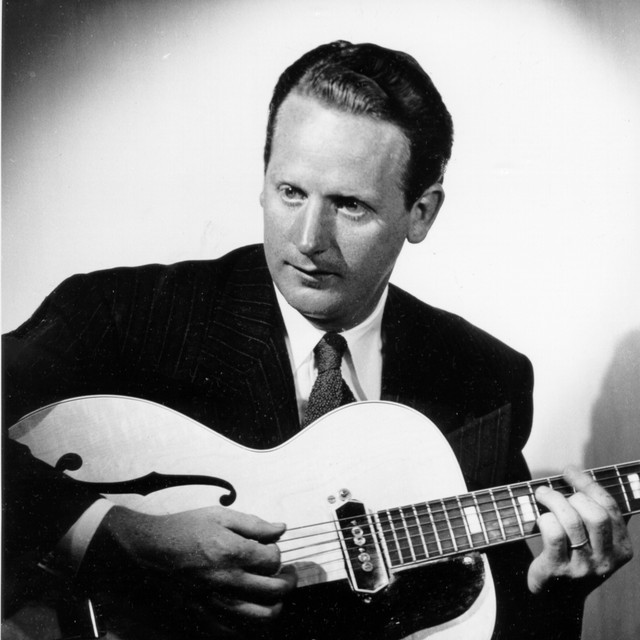
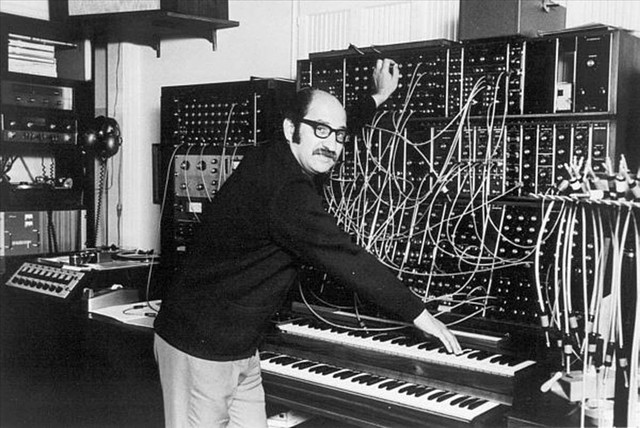
Pioneers include Juan García Esquivel, whose kaleidoscopic arrangements and futuristic sound design helped codify the space-age exotica aesthetic; Mort Garson, whose electronic experiments—culminating in the 1967 Zodiac: Cosmic Sounds—pushed space-age textures into pop terrain; Les Baxter and Martin Denny, though often labeled exotica, are frequently cited as important touchstones for the mood and palette of space-age pop. European contributors such as Bert Kaempfert and Hugo Montenegro delivered polished, radio-friendly space-themed instrumentals that helped popularize the sound beyond the United States. Collectors often highlight Garson’s electronic scores, Esquivel’s wordless playfulness, and Montenegro’s space-flavored orchestral pop as quintessential listening.
Geographically, space age pop found its strongest footing in the United States and the United Kingdom, thriving in the postwar lounge culture that loved a glossy, sunlit orchestral sheen. It also developed a loyal overseas audience—Japan, in particular, has a deep affection for exotica-adjacent pop, and European easy listening scenes of the era embraced the style’s melodic clarity and cinematic bravado. In many countries it remained a curious niche until revival reissues in the 1990s and 2000s popularized the sound for new generations of lounge and retro-futurist listeners.
Today, space age pop endures as a touchstone for mid-century sci‑fi aesthetics and retro-futurist design. It’s a genre best approached as mood and concept—soundtracks for chrome cabarets, planetary flights, and imagined spaceships—yet its craft offers real musical texture: inventive arrangements, tasteful orchestration, and moments of otherworldly wonder. For enthusiasts, a deep dive into Esquivel, Baxters, Denny, Garson, and Montenegro rewards both historical insight and timeless listening pleasure. Musically, expect lush orchestrations underpinned by crisp rhythm and bright melodic hooks. You hear theremin swoops, vibraphone tremolo, and woodwinds fluttering around electric piano. Melodic lines often glide between major and modal scales, with a cinematic sense of horizon and distance. The production favors clean, sunlit mixes rather than heavy compression. In some records, you’ll hear the space-age satire of early sci‑fi film scores, while others offer soothing, lounge-friendly tunes that still feel futuristic. For newcomers, start with Esquivel’s playful album kits, Baxter’s Moon-inspired pieces, and Montenegro’s space-driven instrumentals; for collectors, the more obscure scores yield quirky, cosmic textures.
Instruments range from lush orchestration to playful electronics: theremin wisps, vibraphone’s twinkle, marimba, jazzy big-band harpsichord, and early synthesizers creeping in toward the late 1960s. The approach favors cinematic arrangement, with spacey, sci‑fi cues embedded in easy listening frameworks. The genre sits at a crossroads: an extension of exotica and easy listening, yet increasingly obsessed with the idea of a modern, planetary future.
Pioneers include Juan García Esquivel, whose kaleidoscopic arrangements and futuristic sound design helped codify the space-age exotica aesthetic; Mort Garson, whose electronic experiments—culminating in the 1967 Zodiac: Cosmic Sounds—pushed space-age textures into pop terrain; Les Baxter and Martin Denny, though often labeled exotica, are frequently cited as important touchstones for the mood and palette of space-age pop. European contributors such as Bert Kaempfert and Hugo Montenegro delivered polished, radio-friendly space-themed instrumentals that helped popularize the sound beyond the United States. Collectors often highlight Garson’s electronic scores, Esquivel’s wordless playfulness, and Montenegro’s space-flavored orchestral pop as quintessential listening.
Geographically, space age pop found its strongest footing in the United States and the United Kingdom, thriving in the postwar lounge culture that loved a glossy, sunlit orchestral sheen. It also developed a loyal overseas audience—Japan, in particular, has a deep affection for exotica-adjacent pop, and European easy listening scenes of the era embraced the style’s melodic clarity and cinematic bravado. In many countries it remained a curious niche until revival reissues in the 1990s and 2000s popularized the sound for new generations of lounge and retro-futurist listeners.
Today, space age pop endures as a touchstone for mid-century sci‑fi aesthetics and retro-futurist design. It’s a genre best approached as mood and concept—soundtracks for chrome cabarets, planetary flights, and imagined spaceships—yet its craft offers real musical texture: inventive arrangements, tasteful orchestration, and moments of otherworldly wonder. For enthusiasts, a deep dive into Esquivel, Baxters, Denny, Garson, and Montenegro rewards both historical insight and timeless listening pleasure. Musically, expect lush orchestrations underpinned by crisp rhythm and bright melodic hooks. You hear theremin swoops, vibraphone tremolo, and woodwinds fluttering around electric piano. Melodic lines often glide between major and modal scales, with a cinematic sense of horizon and distance. The production favors clean, sunlit mixes rather than heavy compression. In some records, you’ll hear the space-age satire of early sci‑fi film scores, while others offer soothing, lounge-friendly tunes that still feel futuristic. For newcomers, start with Esquivel’s playful album kits, Baxter’s Moon-inspired pieces, and Montenegro’s space-driven instrumentals; for collectors, the more obscure scores yield quirky, cosmic textures.