Genre
tamil dance
Top Tamil dance Artists
Showing 25 of 658 artists

About Tamil dance
Tamil dance is a high-energy facet of Tamil music that centers on rhythm, choreography, and a club-ready pulse. It isn’t a standalone global genre with formal classification, but rather the dance-forward strand of Tamil cinema music and evolving independent scenes in Tamil language pop and electronic tracks. Born from the film song-and-dance tradition that has animated Tamil cinema for decades, it soon absorbed global club influences—EDM, hip-hop grooves, and punchy percussion—without losing its distinctly South Indian flavor.
The lineage of Tamil dance can be traced to the Tamil film industry’s golden era, when composers like Ilaiyaraaja layered folk and Carnatic motifs with cinematic hooks. The 1990s brought A.R. Rahman, whose boundary-pushing soundtracks fused electronic textures with traditional instruments, turning many dance numbers into worldwide sensations. As Tamil cinema expanded its reach, the dance sequences grew bolder, more intricate, and increasingly dissected and reassembled in clubs and DJ sets. The 2000s and 2010s saw a wave of younger composers and producers who kept the tempo brisk, the bass loud, and the hooks irresistible, giving Tamil dance music a robust, global club appeal.
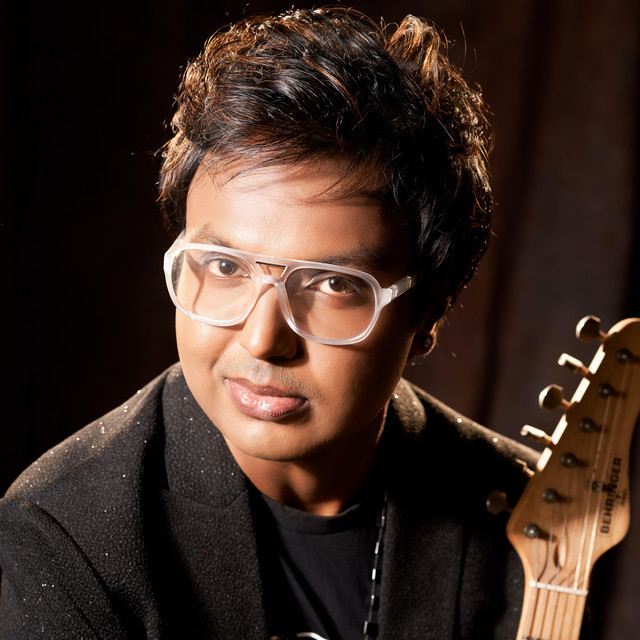
Ambassadors and key figures of Tamil dance include the legendary choreographer-actor Prabhu Deva, who helped export Tamil dance aesthetics far beyond Tamil Nadu. His kinetic storytelling and signature moves became a blueprint for cinematic dance numbers and inspired dancers across India, Southeast Asia, and beyond. In composers, A.R. Rahman remains a towering influence, shaping how Tamil dance can feel both intimate and expansive—from intimate rhythms to arena-sized anthems that move bodies in clubs and concert halls alike. Contemporary torchbearers include Anirudh Ravichander, whose collaborations with film stars and independent acts keep the genre modern: catchy melodies, infectious chorus lines, and rhythms designed for maximum dancefloor impact. Other prolific architects of the sound include Harris Jayaraj and D.Imman, whose glossy, high-energy tracks dominate Tamil film soundtracks and reach wide audiences through streaming and live events. Singers and performers—Dhanush, Sid Sriram, and a host of playback singers—bring vocal drama and dynamic phrasing that drive the dance moments home.
Geographically, Tamil dance thrives wherever Tamil-speaking communities gather, and wherever Tamil cinema travels. It is particularly popular in Tamil Nadu, Sri Lanka, and among diaspora communities in Singapore, Malaysia, and the United Arab Emirates. It also resonates in the United Kingdom, United States, Canada, Australia, and parts of Europe and Africa where Tamil fans gather for concerts, film premieres, and dance-focused festivals. The genre thrives on collaboration—between film composers and choreographers, between DJs and live performers, and between local musicians who remix Tamil dance for regional tastes.
For enthusiasts, Tamil dance offers a vivid sonic vocabulary: pulsing bass, snappy percussion, melodic hooks anchored in Tamil language phrases, and a cinematic sense of drama. It invites both listening and moving—an audible invitation to dance that reflects Tamil culture’s storytelling, festive energy, and global curiosity. As Tamil cinema continues to innovate, Tamil dance remains a dynamic, evolving engine that keeps the body moving and the imagination engaged.
The lineage of Tamil dance can be traced to the Tamil film industry’s golden era, when composers like Ilaiyaraaja layered folk and Carnatic motifs with cinematic hooks. The 1990s brought A.R. Rahman, whose boundary-pushing soundtracks fused electronic textures with traditional instruments, turning many dance numbers into worldwide sensations. As Tamil cinema expanded its reach, the dance sequences grew bolder, more intricate, and increasingly dissected and reassembled in clubs and DJ sets. The 2000s and 2010s saw a wave of younger composers and producers who kept the tempo brisk, the bass loud, and the hooks irresistible, giving Tamil dance music a robust, global club appeal.
Ambassadors and key figures of Tamil dance include the legendary choreographer-actor Prabhu Deva, who helped export Tamil dance aesthetics far beyond Tamil Nadu. His kinetic storytelling and signature moves became a blueprint for cinematic dance numbers and inspired dancers across India, Southeast Asia, and beyond. In composers, A.R. Rahman remains a towering influence, shaping how Tamil dance can feel both intimate and expansive—from intimate rhythms to arena-sized anthems that move bodies in clubs and concert halls alike. Contemporary torchbearers include Anirudh Ravichander, whose collaborations with film stars and independent acts keep the genre modern: catchy melodies, infectious chorus lines, and rhythms designed for maximum dancefloor impact. Other prolific architects of the sound include Harris Jayaraj and D.Imman, whose glossy, high-energy tracks dominate Tamil film soundtracks and reach wide audiences through streaming and live events. Singers and performers—Dhanush, Sid Sriram, and a host of playback singers—bring vocal drama and dynamic phrasing that drive the dance moments home.
Geographically, Tamil dance thrives wherever Tamil-speaking communities gather, and wherever Tamil cinema travels. It is particularly popular in Tamil Nadu, Sri Lanka, and among diaspora communities in Singapore, Malaysia, and the United Arab Emirates. It also resonates in the United Kingdom, United States, Canada, Australia, and parts of Europe and Africa where Tamil fans gather for concerts, film premieres, and dance-focused festivals. The genre thrives on collaboration—between film composers and choreographers, between DJs and live performers, and between local musicians who remix Tamil dance for regional tastes.
For enthusiasts, Tamil dance offers a vivid sonic vocabulary: pulsing bass, snappy percussion, melodic hooks anchored in Tamil language phrases, and a cinematic sense of drama. It invites both listening and moving—an audible invitation to dance that reflects Tamil culture’s storytelling, festive energy, and global curiosity. As Tamil cinema continues to innovate, Tamil dance remains a dynamic, evolving engine that keeps the body moving and the imagination engaged.