Genre
ukrainian folk
Top Ukrainian folk Artists
Showing 25 of 30 artists






About Ukrainian folk
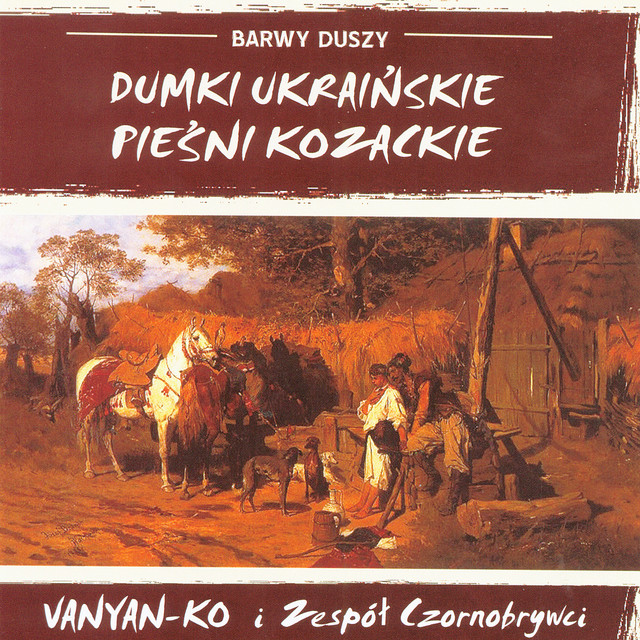
Ukrainian folk music is a living umbrella for a vast tapestry of regional voices, rituals, and instrumental colors that have evolved across centuries. It thrives in village squares, churches, and festival stages, and it speaks in many dialects: epic dumy and lyrical songs, dance tunes such as kolomyika, and intimate melodies born in fields and taverns. The soundworld is defined by instruments like the bandura and kobza, the end-blown sopilka, and the drone of the trembita in the Carpathians. Folk here is memory, celebration, and social glue, threading generations together through shared songs and seasonal rites.
Origins are ancient and regional. In western Ukraine, Hutsul polyphony creates shimmering, overlapping lines; in central regions, melodies lean toward lyric storytelling; in the south, rhythm and choral timbres echo the steppe. Wandering kobzars and lirnyky preserved long epic songs, while farmers and artisans tuned their voices to harvest, weddings, and religious feasts. By the 16th into the 19th centuries, a modern Ukrainian voice began to crystallize: collectors documented tunes, improvists adapted them for choirs and salons, and communities kept singing in churches, schools, and open-air markets. That historical layer provides the foundation for today’s diverse repertoires.
From the late 19th century forward, a national awakening gave folk a symbolic role in defining Ukrainian identity. Composers like Mykola Lysenko organized, harmonized, and elevated folk melodies, building a repertoire that could stand beside European concert music while still carrying village imprint. The best-known Ukrainian carol, Shchedryk, composed by Oleksandr Leontovych in 1916, leaped into international fame as Carol of the Bells, proving how a local tune could travel the world without losing its roots.
Twentieth-century diaspora communities—Canada, the United States, Poland, and beyond—kept Ukrainian folk alive, even when borders shifted. In studios, conservatories, and folk festivals, ensembles reimagined regional repertoires with new textures, from polyphonic choir work to subtle electronic accents. Folk remained a powerful symbol of resilience and memory, a source for new composers and performers who frame traditional melodies for contemporary audiences. Today, Ukrainian folk thrives both as ritual practice in villages and as a dynamic vocabulary in world music.
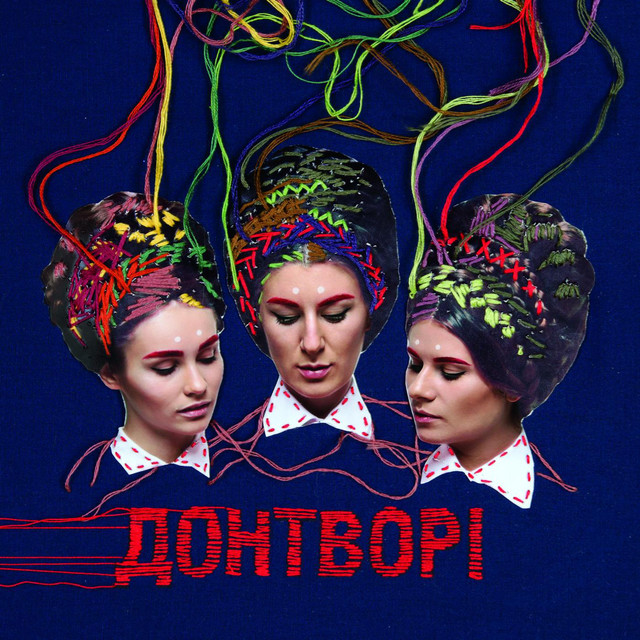
Contemporary ambassadors broaden its reach. DakhaBrakha, a Kharkiv-based quartet, blends traditional tunes with cross-cultural textures to spellbind international listeners. Go_A, a Kyiv project, fused folk motifs with electronic production and earned Eurovision visibility in 2021. The Dakh Daughters mix performance art with folk-inspired material, challenging genre boundaries while keeping the voice of the people central. In listening rooms and festivals worldwide, the genre is heard not as museum music but as a living conversation between past and present, between field and studio, between Ukraine and the world.
Origins are ancient and regional. In western Ukraine, Hutsul polyphony creates shimmering, overlapping lines; in central regions, melodies lean toward lyric storytelling; in the south, rhythm and choral timbres echo the steppe. Wandering kobzars and lirnyky preserved long epic songs, while farmers and artisans tuned their voices to harvest, weddings, and religious feasts. By the 16th into the 19th centuries, a modern Ukrainian voice began to crystallize: collectors documented tunes, improvists adapted them for choirs and salons, and communities kept singing in churches, schools, and open-air markets. That historical layer provides the foundation for today’s diverse repertoires.
From the late 19th century forward, a national awakening gave folk a symbolic role in defining Ukrainian identity. Composers like Mykola Lysenko organized, harmonized, and elevated folk melodies, building a repertoire that could stand beside European concert music while still carrying village imprint. The best-known Ukrainian carol, Shchedryk, composed by Oleksandr Leontovych in 1916, leaped into international fame as Carol of the Bells, proving how a local tune could travel the world without losing its roots.
Twentieth-century diaspora communities—Canada, the United States, Poland, and beyond—kept Ukrainian folk alive, even when borders shifted. In studios, conservatories, and folk festivals, ensembles reimagined regional repertoires with new textures, from polyphonic choir work to subtle electronic accents. Folk remained a powerful symbol of resilience and memory, a source for new composers and performers who frame traditional melodies for contemporary audiences. Today, Ukrainian folk thrives both as ritual practice in villages and as a dynamic vocabulary in world music.
Contemporary ambassadors broaden its reach. DakhaBrakha, a Kharkiv-based quartet, blends traditional tunes with cross-cultural textures to spellbind international listeners. Go_A, a Kyiv project, fused folk motifs with electronic production and earned Eurovision visibility in 2021. The Dakh Daughters mix performance art with folk-inspired material, challenging genre boundaries while keeping the voice of the people central. In listening rooms and festivals worldwide, the genre is heard not as museum music but as a living conversation between past and present, between field and studio, between Ukraine and the world.