Genre
vallenato
Top Vallenato Artists
Showing 25 of 1,604 artists




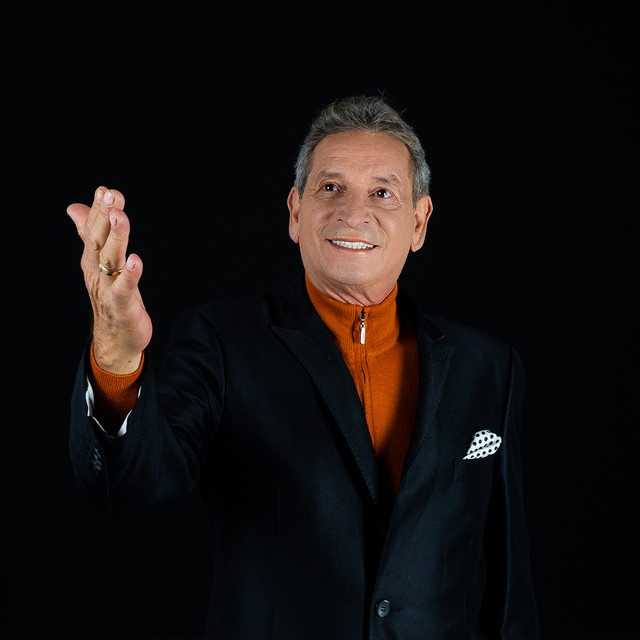
About Vallenato
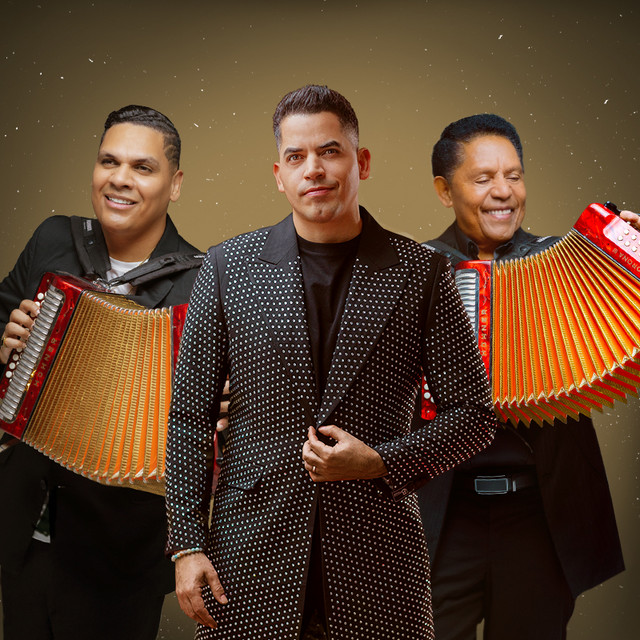
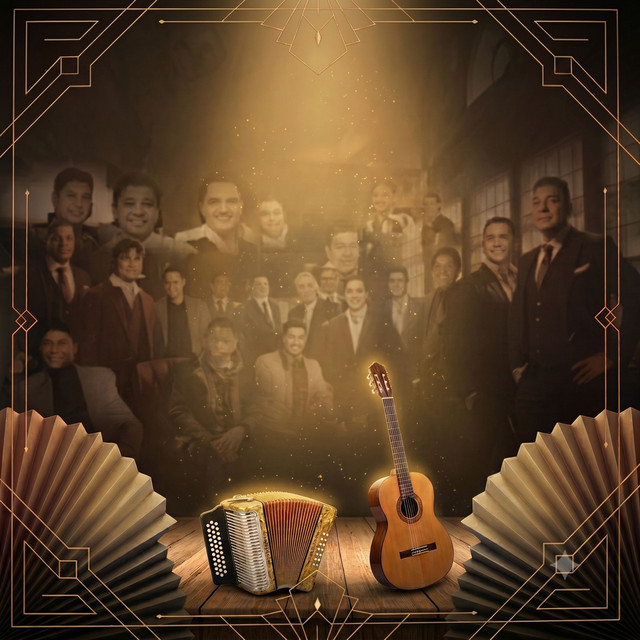
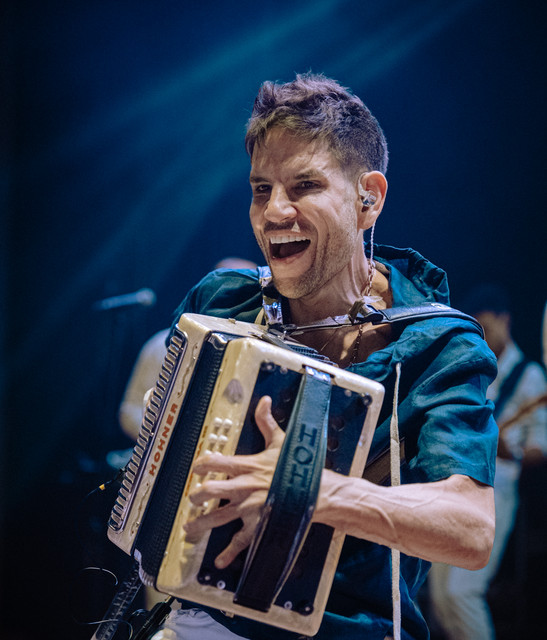
Vallenato is the pulsating heart of Colombia’s Caribbean coast, a storytelling-driven folk tradition that has grown into one of Latin America’s most recognizable popular-cultures voices. At its core lies the diatonic accordion, but the sound is completed by the caja vallenata (a compact drum) and the guacharaca (a metal scraper). The result is a warm, earthy, immediately recognizable blend that can be intimate and lyrical or exuberant and danceable.
Origins and evolution
Vallenato emerged among rural communities in the valleys of La Guajira, Cesar, Magdalena, and the broader Caribbean region in the late 19th and early 20th centuries. It grew from a confluence of Afro-Caribbean rhythms, Indigenous musical practices, and Spanish balladry, carried along by traveling musicians who performed at weddings, markets, and fiestas. Valledupar became a key cradle for the tradition, earning its nickname as the homeland where vallenato matured into a distinct genre. The genre’s living character—songs passed down orally, refined by generations of composers and singers—helps explain why it remains so intimately tied to memory, place, and identity.
Rhythms, forms and improvisation
Traditionally, vallenato is organized around three principal rhythms: paseo, merengue, and puya. The paseo tends to be the most melodic and lyrical, often carrying narratives of love, travel, and everyday life. Merengue vallenato is brisk and buoyant, suited to dance floors and festive gatherings. Puya is a faster, more virtuosic form that showcases the accordionist’s skill and the ensemble’s energy. The classic vallenato trio—accordion, caja, and guacharaca—creates a conversational bond between singer and instruments, with the human voice improvising over the shifting textures of rhythm and melody. The genre is deeply collaborative, with improvisation and storytelling weaving through each performance.
Key figures and ambassadors
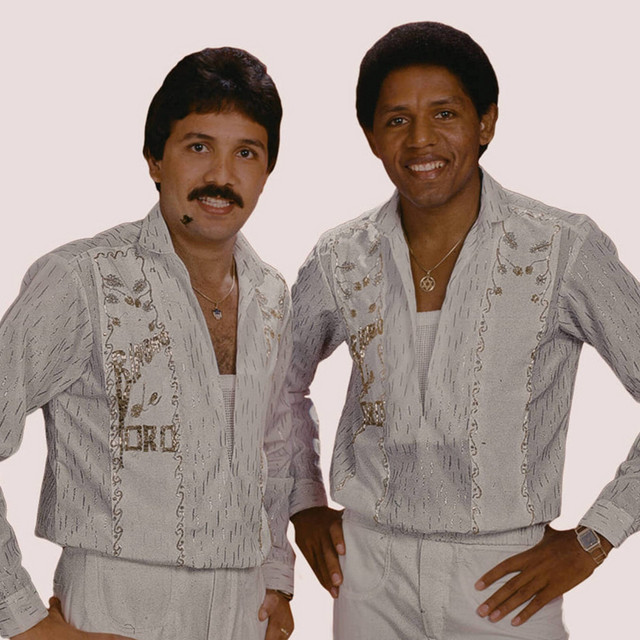
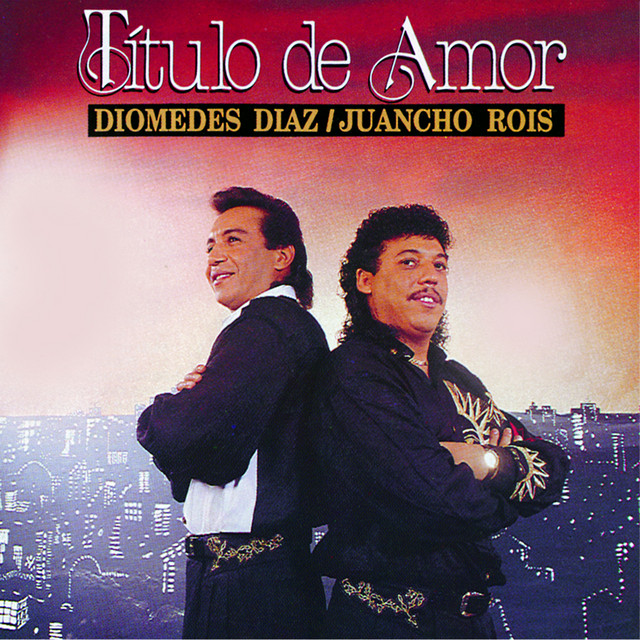
Vallenato has produced legendary composers and performers who are revered across generations. Emiliano Zuleta Baquero’s La Gota Fría is a blueprint of the genre’s storytelling and competition spirit. Composer Rafael Escalona—whose songs became part of the cultural canon—helped codify the lyrical and musical vocabulary of vallenato. Leandro Díaz is celebrated for his poignant, dignified lyricism. In the modern era, artists such as Diomedes Díaz, Jorge Celedón, Silvestre Dangond, and the late Tuco (and other groups like Binomio de Oro) have carried vallenato to global audiences, blending tradition with contemporary sensibilities.
Global reach and recognition
While vallenato remains most passionately loved in Colombia, especially along the Caribbean coast, its appeal has spread far beyond national borders. The music resonates with Caribbean and Latin audiences in Venezuela, Panama, and various diaspora communities in the United States. In 2013, UNESCO recognized vallenato as part of the Intangible Cultural Heritage of Humanity, underscoring its cultural significance and the need to preserve its living tradition.
Why enthusiasts embrace vallenato
For music lovers, vallenato offers an emotionally direct, sonically warm experience. The storytelling is immediate—often steeped in memory, place, and lineage—while the Interaction among accordion, percussion, and voice creates a dynamic that rewards repeated listening. It’s a genre that invites both deep listening and communal celebration, a living archive of Colombian life told through melody, rhythm, and generous heart.
Origins and evolution
Vallenato emerged among rural communities in the valleys of La Guajira, Cesar, Magdalena, and the broader Caribbean region in the late 19th and early 20th centuries. It grew from a confluence of Afro-Caribbean rhythms, Indigenous musical practices, and Spanish balladry, carried along by traveling musicians who performed at weddings, markets, and fiestas. Valledupar became a key cradle for the tradition, earning its nickname as the homeland where vallenato matured into a distinct genre. The genre’s living character—songs passed down orally, refined by generations of composers and singers—helps explain why it remains so intimately tied to memory, place, and identity.
Rhythms, forms and improvisation
Traditionally, vallenato is organized around three principal rhythms: paseo, merengue, and puya. The paseo tends to be the most melodic and lyrical, often carrying narratives of love, travel, and everyday life. Merengue vallenato is brisk and buoyant, suited to dance floors and festive gatherings. Puya is a faster, more virtuosic form that showcases the accordionist’s skill and the ensemble’s energy. The classic vallenato trio—accordion, caja, and guacharaca—creates a conversational bond between singer and instruments, with the human voice improvising over the shifting textures of rhythm and melody. The genre is deeply collaborative, with improvisation and storytelling weaving through each performance.
Key figures and ambassadors
Vallenato has produced legendary composers and performers who are revered across generations. Emiliano Zuleta Baquero’s La Gota Fría is a blueprint of the genre’s storytelling and competition spirit. Composer Rafael Escalona—whose songs became part of the cultural canon—helped codify the lyrical and musical vocabulary of vallenato. Leandro Díaz is celebrated for his poignant, dignified lyricism. In the modern era, artists such as Diomedes Díaz, Jorge Celedón, Silvestre Dangond, and the late Tuco (and other groups like Binomio de Oro) have carried vallenato to global audiences, blending tradition with contemporary sensibilities.
Global reach and recognition
While vallenato remains most passionately loved in Colombia, especially along the Caribbean coast, its appeal has spread far beyond national borders. The music resonates with Caribbean and Latin audiences in Venezuela, Panama, and various diaspora communities in the United States. In 2013, UNESCO recognized vallenato as part of the Intangible Cultural Heritage of Humanity, underscoring its cultural significance and the need to preserve its living tradition.
Why enthusiasts embrace vallenato
For music lovers, vallenato offers an emotionally direct, sonically warm experience. The storytelling is immediate—often steeped in memory, place, and lineage—while the Interaction among accordion, percussion, and voice creates a dynamic that rewards repeated listening. It’s a genre that invites both deep listening and communal celebration, a living archive of Colombian life told through melody, rhythm, and generous heart.