Genre
visual kei
Top Visual kei Artists
Showing 25 of 1,048 artists



19
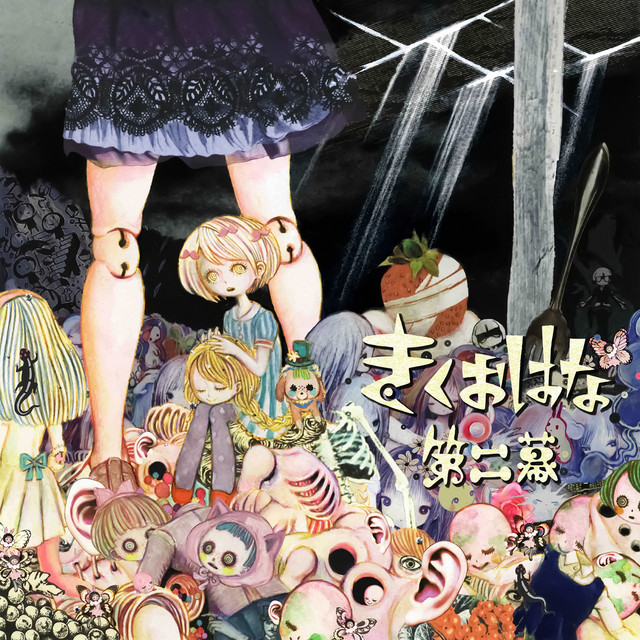
きくおはな
123,694
199,192 listeners
20

歌っちゃ王
30,217
192,677 listeners

About Visual kei
Visual kei is a Japanese music and fashion movement known for its dramatic, androgynous aesthetics and a strong emphasis on presentation as part of the listening experience. It emerged in the late 1980s and came to international attention in the early 1990s, anchored in the underground clubs of Tokyo and Osaka before breaking into mainstream consciousness.
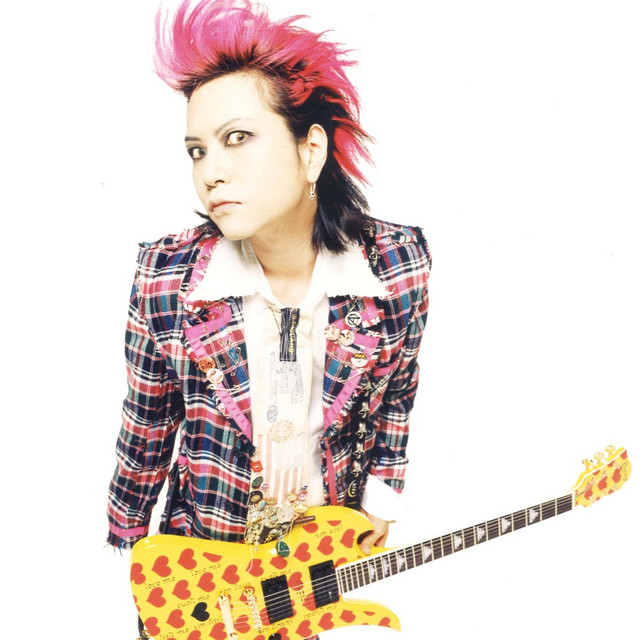
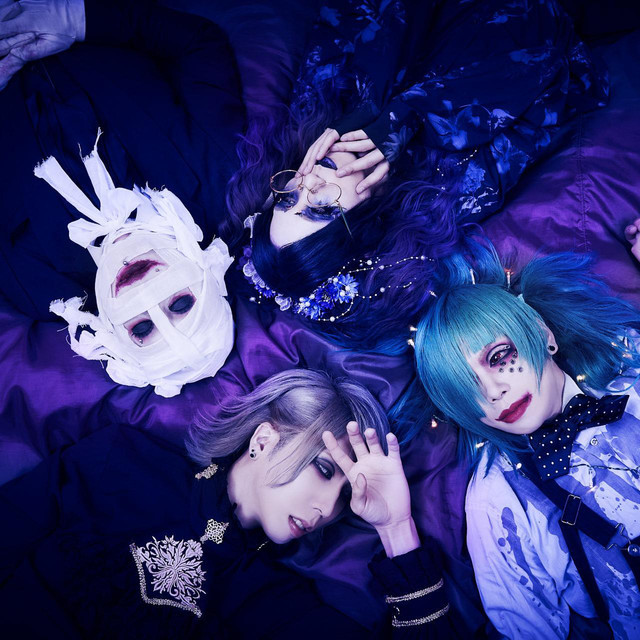
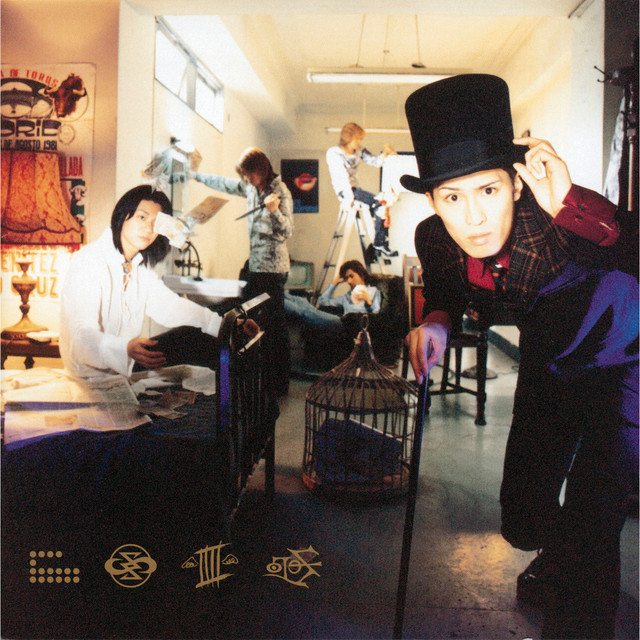
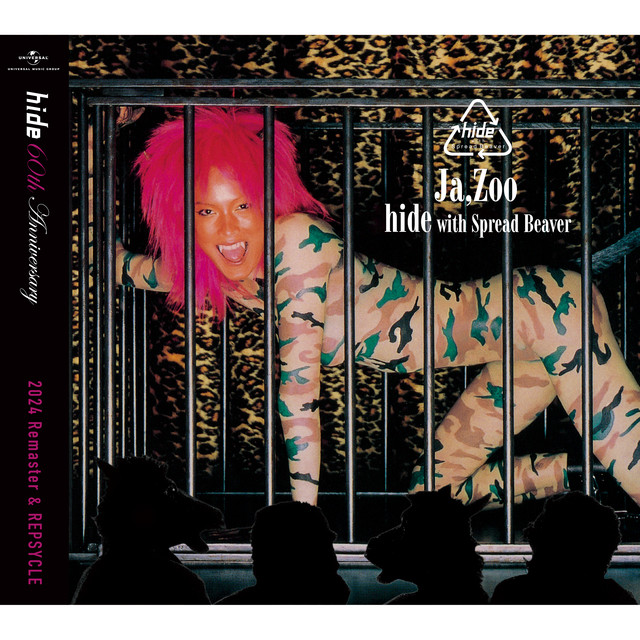
The sound is diverse, spanning hard rock, heavy metal, punk, glam, and even electronic textures. What binds it is not a single style but a philosophy: bands use elaborate costumes, makeup, hair, stage design, and persona to create a visual narrative that complements the music. The name itself highlights the priority given to visuals as much as to the sonic work.
Origins and key voices: Visual kei drew from earlier Japanese garage and glam influences, as well as Western glam rock and post-punk. By the late 1980s, bands like X Japan, Buck-Tick, D'erlanger, and later Luna Sea were pioneering the look—long, lacquered hair, corsets and leather, lacquered faces, and androgynous silhouettes—paired with virtuosic live performances. X Japan’s ambition and charisma in particular helped globalize the approach, while Buck-Tick blended goth ambiance with melodic, aggressive rock. D'erlanger's raw energy and Luna Sea's theatricality expanded the palette, pushing visual kei toward more elaborate stagecraft.
From the mid-1990s onward, bands such as Malice Mizer and the Mana-led project Moi dix Mois became synonymous with a gothic, aristocratic branch of the scene, highlighting historical costumes, operatic arrangements, and a cultivated persona. In the 2000s and beyond, groups like The GazettE, Girugamesh, Versailles, and the emerging scene bands kept the visual emphasis while exploring heavier metal, symphonic textures, or more melodic rock. Mana, as a designer and musician, became a notable ambassador for the aesthetic beyond music.
Geography and influence: Visual kei remains most popular in Japan, where it began and where many of its bands still originate. It also has dedicated followings in other parts of Asia, including South Korea, Taiwan, the Philippines, and parts of Southeast Asia. In Europe and the Americas, it has cultivated niche but passionate communities—France and Italy have long-running fan networks, while Brazil, Mexico, and the United States have hosted concerts and fan gatherings in recent years.
The genre continues to evolve, splitting into subgenres and hybrids—while some acts lean toward elegance and gothic atmospherics, others chase avant-garde, electronic, or metal-infused sounds. Visual kei remains less a single sonic style than a spectrum of performance art: a dynamic marriage of sound, costume, makeup, and storytelling that invites immersion and imagination. To fans, visual kei is less about a single ringtone and more about a holistic experience. The live show can be choreographed like a stage play, with lighting, set pieces, and dramatic makeup creating a mood that words alone can't capture. The subcultures that grew around it—elegant gothic, kawaii-tinged 'oshare' fashion, and the more raw punk-infused strands—illustrate how adaptable the aesthetic has become. In short, visual kei remains a living conversation between music and image, inviting listeners to judge sound as spectacle and spectacle as sound.
The sound is diverse, spanning hard rock, heavy metal, punk, glam, and even electronic textures. What binds it is not a single style but a philosophy: bands use elaborate costumes, makeup, hair, stage design, and persona to create a visual narrative that complements the music. The name itself highlights the priority given to visuals as much as to the sonic work.
Origins and key voices: Visual kei drew from earlier Japanese garage and glam influences, as well as Western glam rock and post-punk. By the late 1980s, bands like X Japan, Buck-Tick, D'erlanger, and later Luna Sea were pioneering the look—long, lacquered hair, corsets and leather, lacquered faces, and androgynous silhouettes—paired with virtuosic live performances. X Japan’s ambition and charisma in particular helped globalize the approach, while Buck-Tick blended goth ambiance with melodic, aggressive rock. D'erlanger's raw energy and Luna Sea's theatricality expanded the palette, pushing visual kei toward more elaborate stagecraft.
From the mid-1990s onward, bands such as Malice Mizer and the Mana-led project Moi dix Mois became synonymous with a gothic, aristocratic branch of the scene, highlighting historical costumes, operatic arrangements, and a cultivated persona. In the 2000s and beyond, groups like The GazettE, Girugamesh, Versailles, and the emerging scene bands kept the visual emphasis while exploring heavier metal, symphonic textures, or more melodic rock. Mana, as a designer and musician, became a notable ambassador for the aesthetic beyond music.
Geography and influence: Visual kei remains most popular in Japan, where it began and where many of its bands still originate. It also has dedicated followings in other parts of Asia, including South Korea, Taiwan, the Philippines, and parts of Southeast Asia. In Europe and the Americas, it has cultivated niche but passionate communities—France and Italy have long-running fan networks, while Brazil, Mexico, and the United States have hosted concerts and fan gatherings in recent years.
The genre continues to evolve, splitting into subgenres and hybrids—while some acts lean toward elegance and gothic atmospherics, others chase avant-garde, electronic, or metal-infused sounds. Visual kei remains less a single sonic style than a spectrum of performance art: a dynamic marriage of sound, costume, makeup, and storytelling that invites immersion and imagination. To fans, visual kei is less about a single ringtone and more about a holistic experience. The live show can be choreographed like a stage play, with lighting, set pieces, and dramatic makeup creating a mood that words alone can't capture. The subcultures that grew around it—elegant gothic, kawaii-tinged 'oshare' fashion, and the more raw punk-infused strands—illustrate how adaptable the aesthetic has become. In short, visual kei remains a living conversation between music and image, inviting listeners to judge sound as spectacle and spectacle as sound.