Data may be outdated
Last updated: 4 months ago — Click refresh to get the latest statistics.
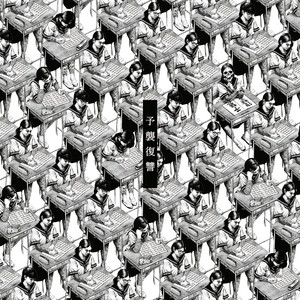
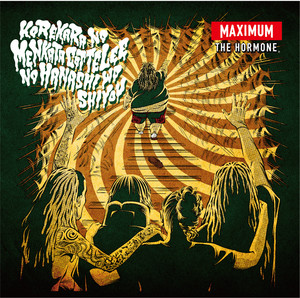
The new lineup released the full indie album Mimi Kajiru the next year, then a couple of singles and another album, Kusoban, in 2004, already on a major label, VAP. This period was marked by their gradual shift from the radical heavy sound to a softer one, with pop elements added into the mix, and the change proved successful with the release of the Rokkinpo Goroshi album (2005), which gained Maximum the Hormone recognition in the national rock scene and enabled them to sneak their first song into anime credits -- the track "Rolling1000toon" was used in the AirMaster series.
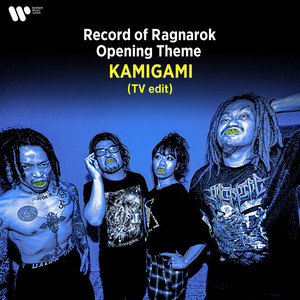
In 2006 they made the Oricon Top Ten for the first time with the song "Koi No Megalover," which scored number nine, as well as continued their very successful anime expansion: their tracks "What's Up, People?!" and "Zetsubou Billy" were featured in the final episodes of Death Note -- the series that even had its manga version banned by the Chinese government since its overwhelming popularity presumably exerted an "unhealthy" influence on school kids. Another series to receive musical support from Maximum the Hormone was Akagi (the song was named "Akagi" as well), and the album Bu Ikikaesu (2007) collected all of these tracks and charted for the first time, reaching a respectable number five position. In 2008 the band even made an overseas foray, touring the U.S. and Canada with <a href="spotify:artist:7w9jdhcgHNdiPeNPUoFSlx">Dropkick Murphys</a> before switching to a huge domestic tour, preceded by the release of the Tsume Tsume Tsume/F EP. ~ Alexey Eremenko, Rovi
Monthly Listeners
775,534
Monthly Listeners History
Track the evolution of monthly listeners over the last 28 days.
Followers
454,947
Followers History
Track the evolution of followers over the last 28 days.
Total Streams
216.6 million
Total Streams History
Track the evolution of total streams over the last 28 days. This data is calculated from all tracks listed in the artist's discography.
































![HAWATARI NIOKU CENTI [2-hundred-million-centimeter-long blades] - TV edit](https://i.scdn.co/image/ab67616d00001e02b3c9954a5297f5bc1bf90c3b)