Genre
west coast hip hop
Top West coast hip hop Artists
Showing 25 of 1,384 artists

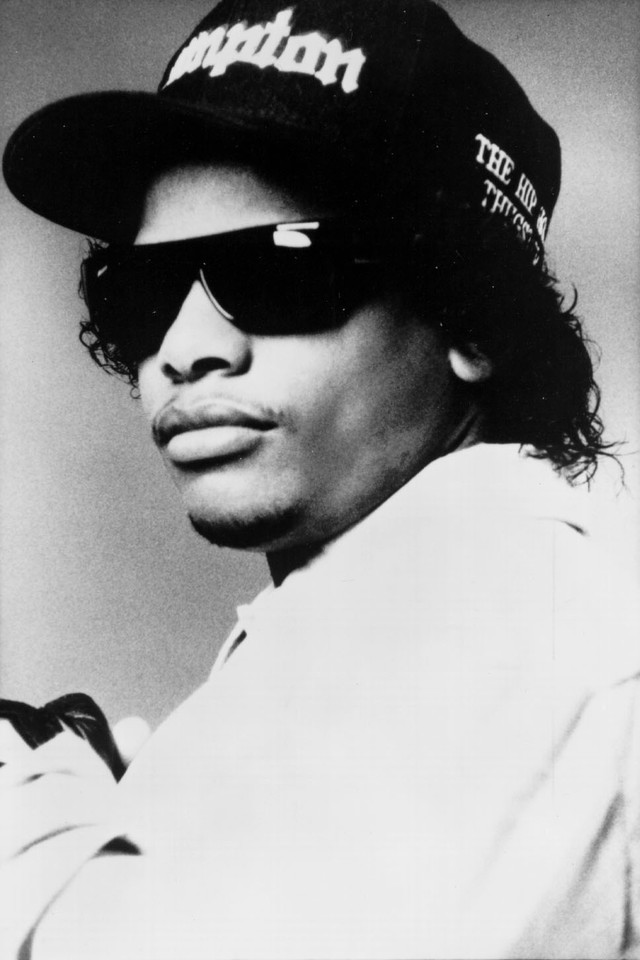
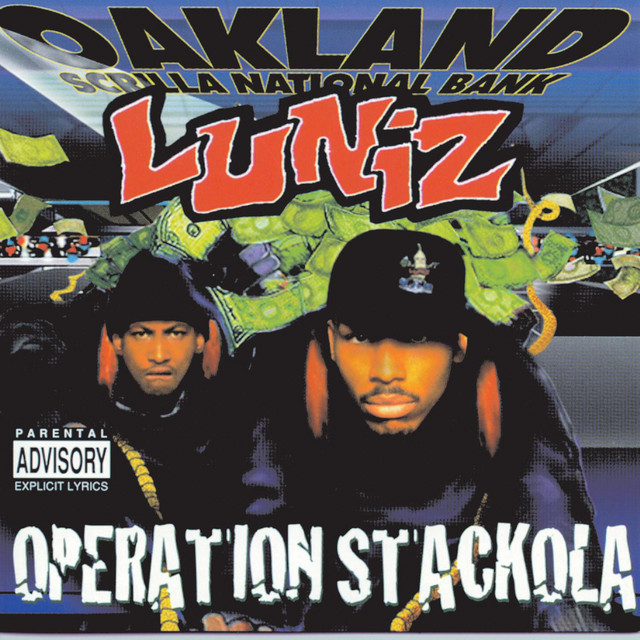
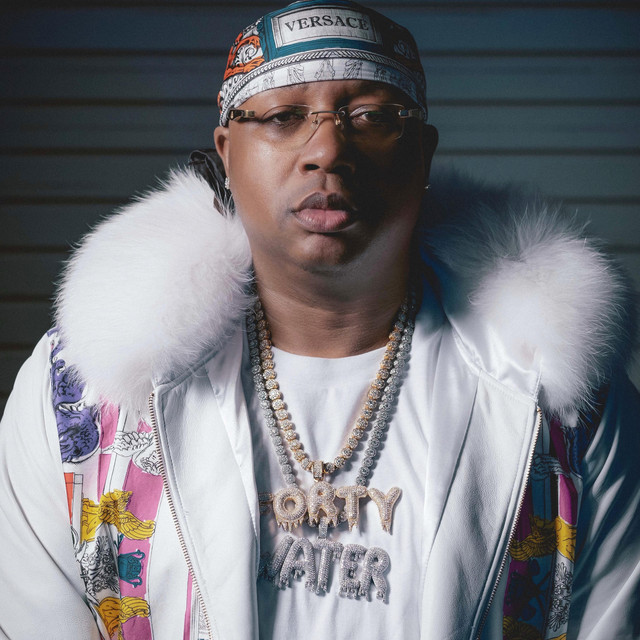
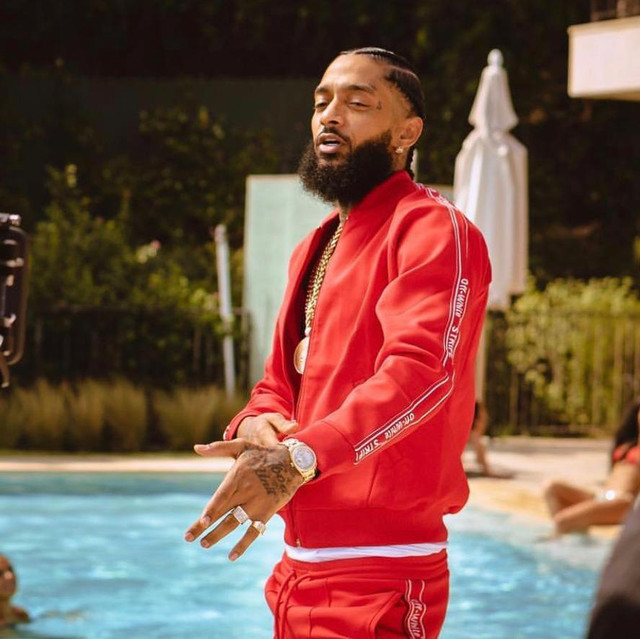
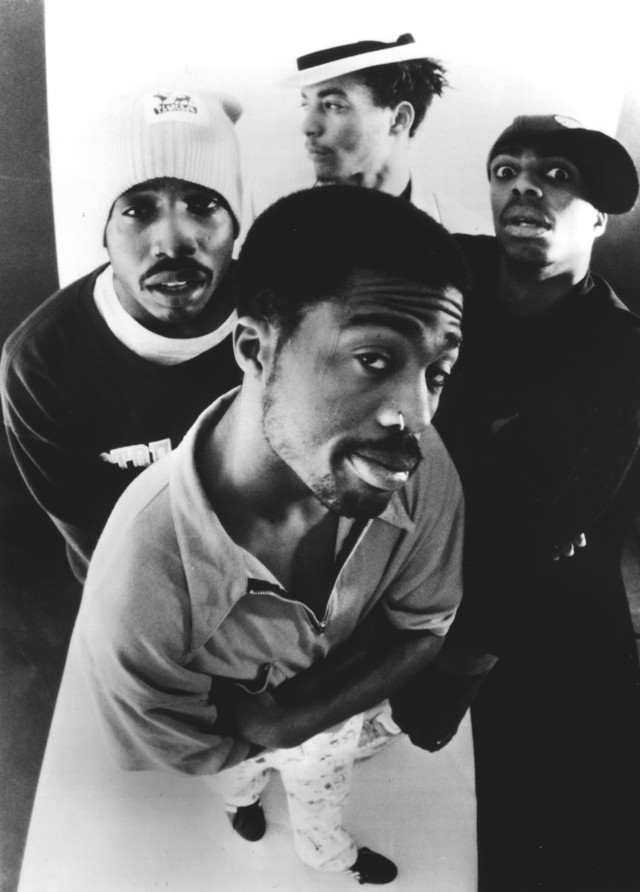
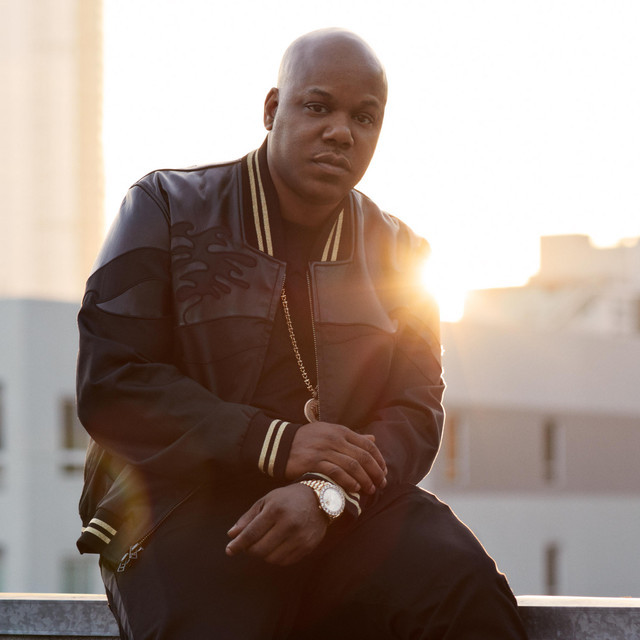
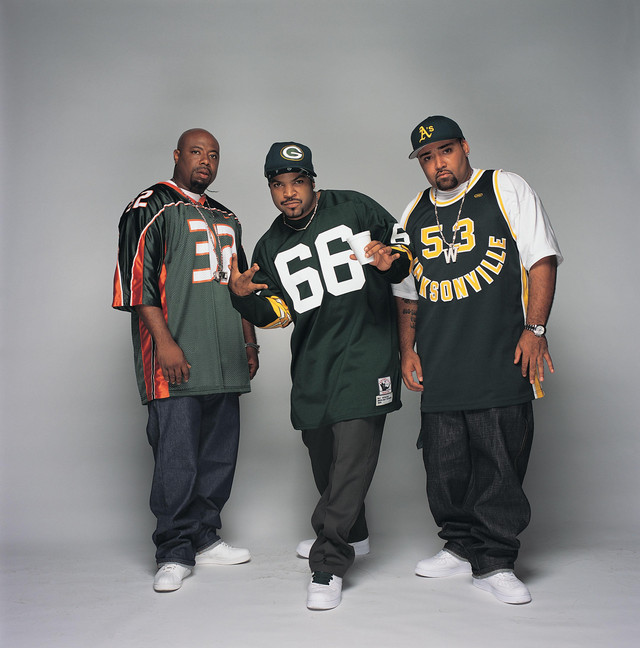
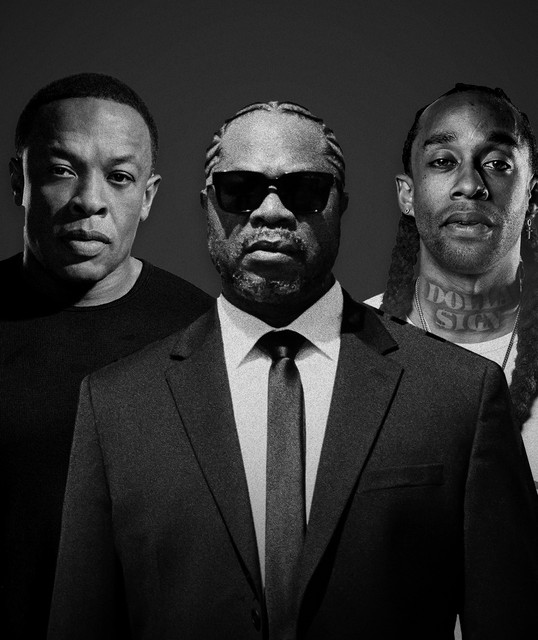
About West coast hip hop
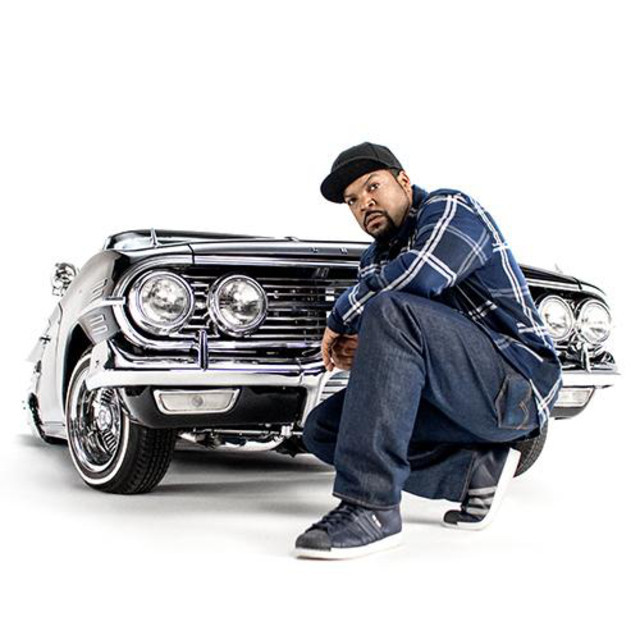
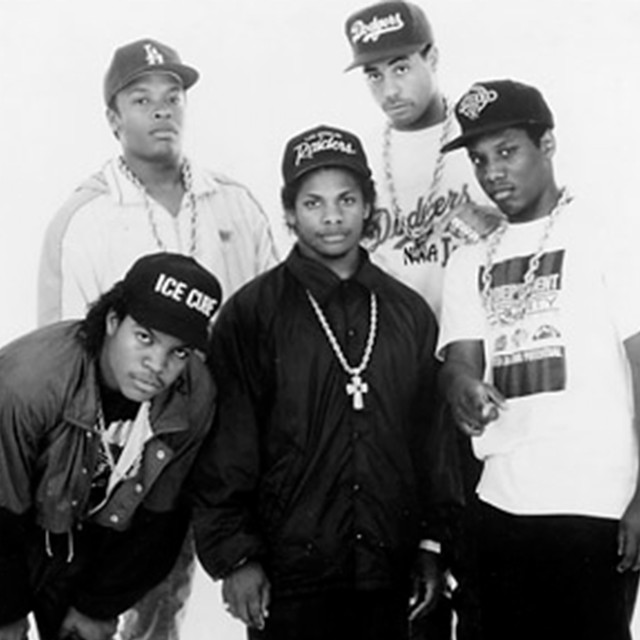
West Coast hip hop is the sun-soaked, bass-locked counterpart to East Coast rap, a soundscape defined by funk-infused samples, hard-hitting drum machines, and a cool, confident storytelling voice that anchors a distinct sense of place. It emerged in the late 1980s from California’s cities—Los Angeles, Compton, Oakland, and the Bay Area—where local crews and record labels turned street-life narratives into memorable, cinematic music. Its birth is often traced to the rise of N.W.A, who formed in 1986 and began releasing records that fused blunt, unflinching lyricism with pioneering, sample-heavy production. By 1988’s Straight Outta Compton, a new era felt inevitable: West Coast rap was here to stay.
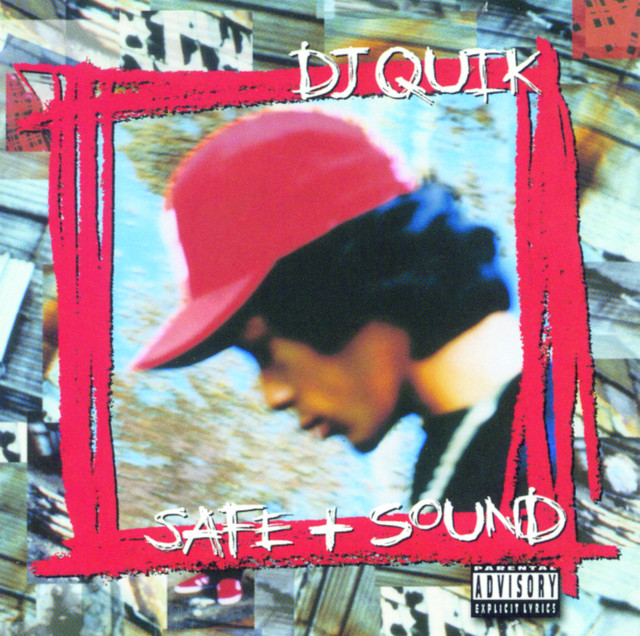
Musically, West Coast hip hop spread through a few defining currents. The early sound leaned on tight, punchy drums, funk-derived basslines, and funk samples that gave tracks an almost party-ready bounce even when the lyrics carried heavy street realism. As the decade progressed, producers like Dr. Dre helped crystallize the so-called G-funk subgenre, a lush, melodic variant built on plucked synths, slow grooves, and smoked-out textures. The Chronic (1992) and Snoop Doggy Dogg’s Dre-assisted debut Doggystyle (1993) became landmarks, not only for their sonic identity but for the wider culture they popularized. The era also showcased a wide array of voices beyond the stereotypes: Ice Cube’s combative storytelling, DJ Quik’s polished West Coast funk, MC Eiht’s street-savvy narrations, and Bay Area luminaries like Too Short and E-40 bring a different cadence and swagger to the table.
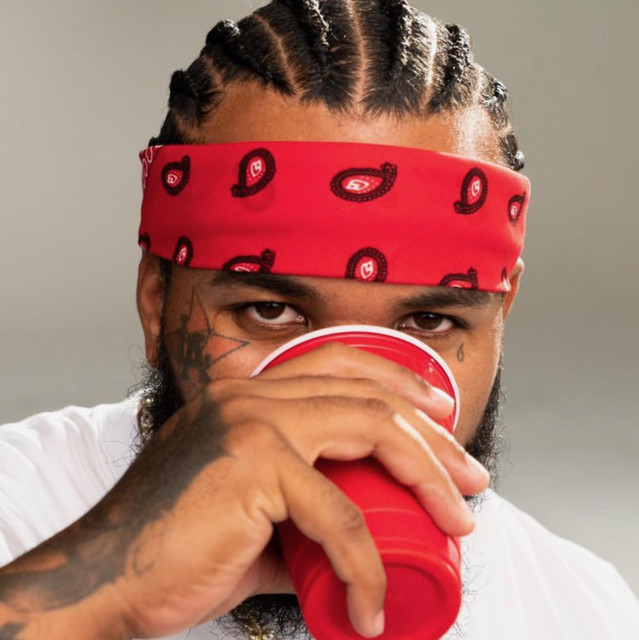
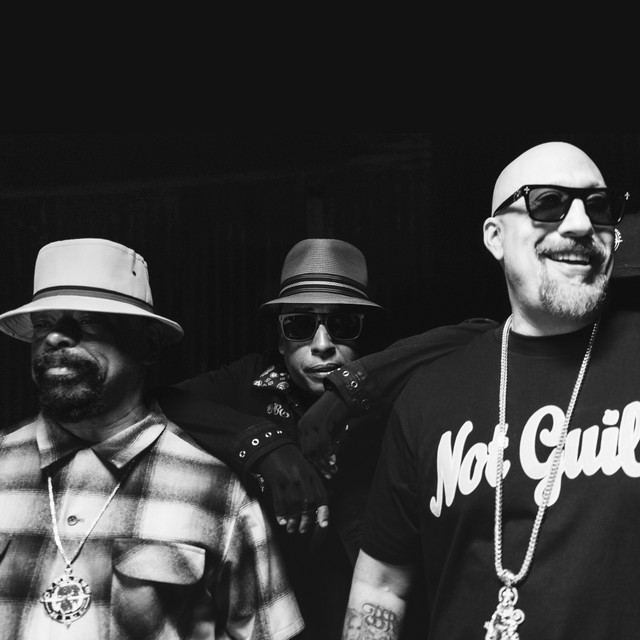
Ambassadors of the scene span generations. In the 1990s, N.W.A (and its members) defined a genre wave, while Dr. Dre and Snoop Dogg anchored it in national consciousness. Tupac Shakur, though often seen as a national icon beyond his geographic label, spent his West Coast years shaping both the sound and the myth around West Coast rap. The Bay Area produced its own powerhouse voices and movements, including artist crews that gave rise to the Hyphy era in the mid-2000s—Mac Dre, Keak da Sneak, and Too $hort among them—an exuberant, fast-moving strand that celebrated street energy and dance-driven productions. Later waves brought Kendrick Lamar, ScHoolboy Q, Ab-Soul, and other artists who integrated the West Coast’s melodic sensibility with broader social commentary, proving the region’s influence on modern hip hop remains potent.
Global reach is a key feature. West Coast hip hop is most deeply rooted in the United States—especially in California—where it began and continues to thrive. It has also found receptive audiences in Canada, the United Kingdom, France, Japan, Australia, and beyond, feeding international scenes with its polished production, storytelling craft, and the gangsta and party-inflected flavors that define its output.
Today, West Coast hip hop stands as a dynamic ecosystem rather than a single sound. Its core strengths—crisp production, charismatic delivery, and a storytelling honesty tied to place—continually evolve, inviting new artists to carry the banner while honoring a history that reshaped the global rap conversation.
Musically, West Coast hip hop spread through a few defining currents. The early sound leaned on tight, punchy drums, funk-derived basslines, and funk samples that gave tracks an almost party-ready bounce even when the lyrics carried heavy street realism. As the decade progressed, producers like Dr. Dre helped crystallize the so-called G-funk subgenre, a lush, melodic variant built on plucked synths, slow grooves, and smoked-out textures. The Chronic (1992) and Snoop Doggy Dogg’s Dre-assisted debut Doggystyle (1993) became landmarks, not only for their sonic identity but for the wider culture they popularized. The era also showcased a wide array of voices beyond the stereotypes: Ice Cube’s combative storytelling, DJ Quik’s polished West Coast funk, MC Eiht’s street-savvy narrations, and Bay Area luminaries like Too Short and E-40 bring a different cadence and swagger to the table.
Ambassadors of the scene span generations. In the 1990s, N.W.A (and its members) defined a genre wave, while Dr. Dre and Snoop Dogg anchored it in national consciousness. Tupac Shakur, though often seen as a national icon beyond his geographic label, spent his West Coast years shaping both the sound and the myth around West Coast rap. The Bay Area produced its own powerhouse voices and movements, including artist crews that gave rise to the Hyphy era in the mid-2000s—Mac Dre, Keak da Sneak, and Too $hort among them—an exuberant, fast-moving strand that celebrated street energy and dance-driven productions. Later waves brought Kendrick Lamar, ScHoolboy Q, Ab-Soul, and other artists who integrated the West Coast’s melodic sensibility with broader social commentary, proving the region’s influence on modern hip hop remains potent.
Global reach is a key feature. West Coast hip hop is most deeply rooted in the United States—especially in California—where it began and continues to thrive. It has also found receptive audiences in Canada, the United Kingdom, France, Japan, Australia, and beyond, feeding international scenes with its polished production, storytelling craft, and the gangsta and party-inflected flavors that define its output.
Today, West Coast hip hop stands as a dynamic ecosystem rather than a single sound. Its core strengths—crisp production, charismatic delivery, and a storytelling honesty tied to place—continually evolve, inviting new artists to carry the banner while honoring a history that reshaped the global rap conversation.