Data may be outdated
Last updated: 2 weeks ago — Click refresh to get the latest statistics.
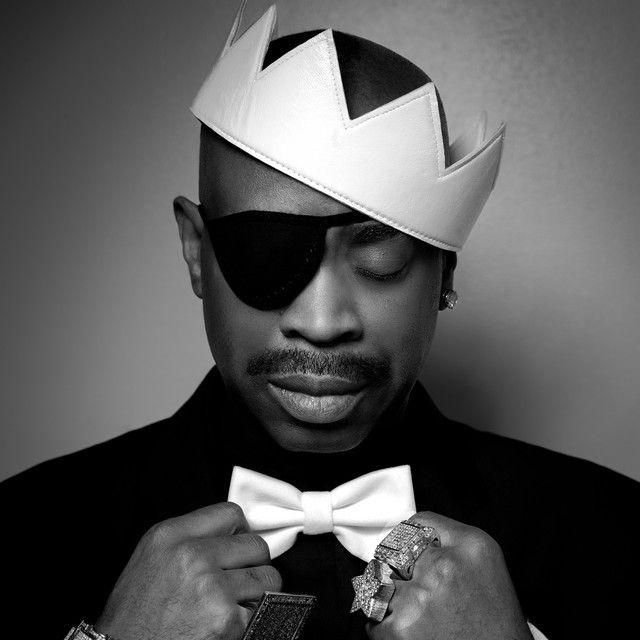
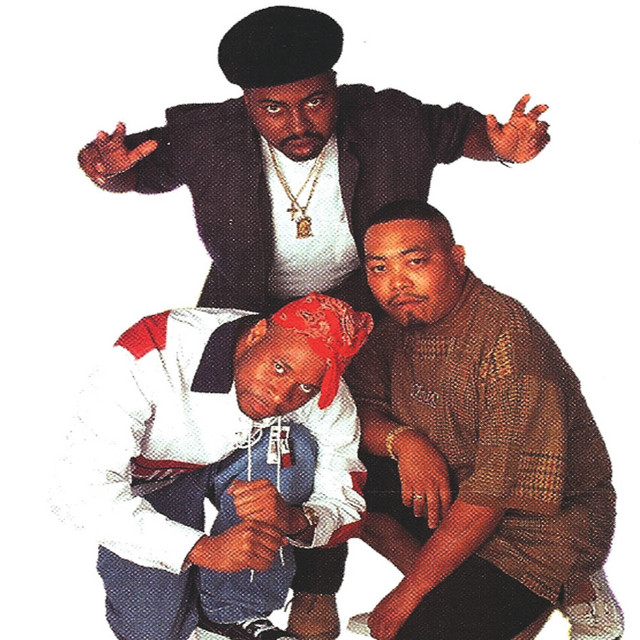
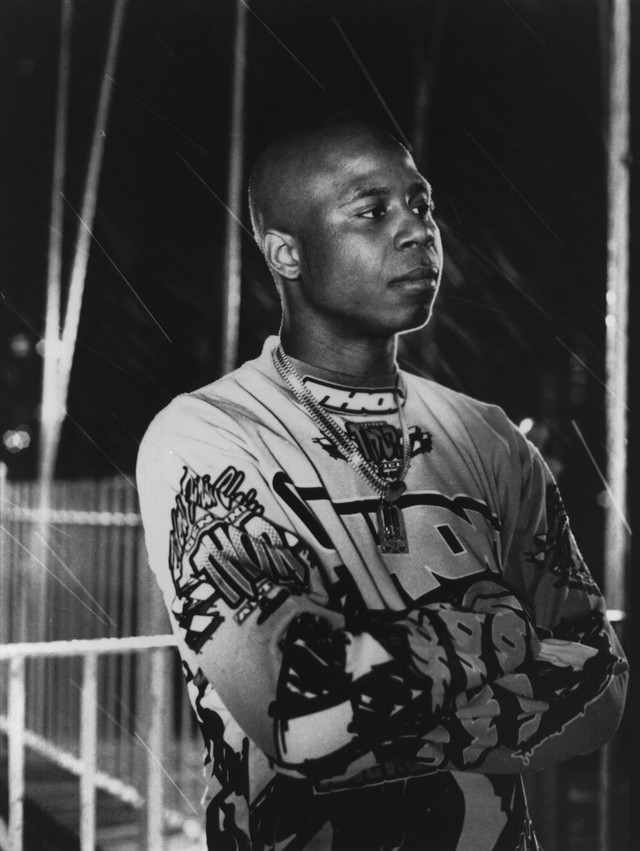
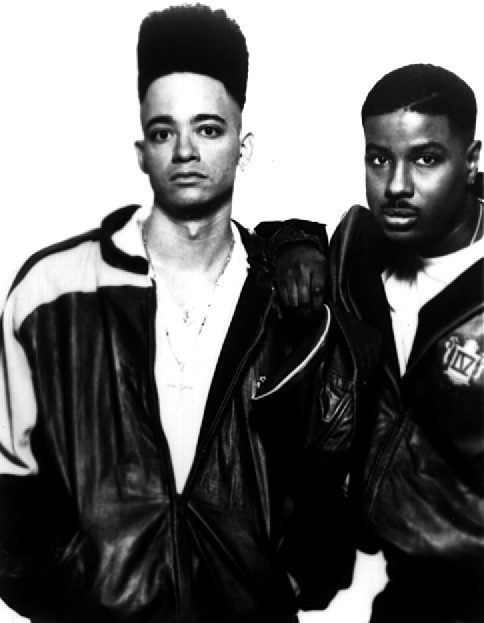
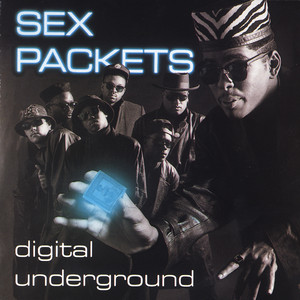
<a href="spotify:artist:7mFqeqDcctDWHGKY2AIAMl">Shock-G</a> (born <a href="spotify:artist:7mFqeqDcctDWHGKY2AIAMl">Gregory E. Jacobs</a>) spent most of his childhood moving around the East Coast with his family, eventually settling in the Bay Area of California. He dropped out of high school in the late '70s and spent several years pursuing a life of crime before eventually finishing his degree and going to college to study music. Along with Chopmaster J, <a href="spotify:artist:7mFqeqDcctDWHGKY2AIAMl">Shock-G</a> formed Digital Underground in 1987, and the duo released a single, "Underwater Rimes," that year, which went to number one in the Netherlands. In 1989, the group signed with <a href="spotify:search:label%3A%22Tommy+Boy%22">Tommy Boy</a>, and that summer "Doowutchyalike" became an underground hit. By that time, Digital Underground had expanded significantly, featuring <a href="spotify:artist:4TXWFGNL7nENkapMa0ED4Z">DJ Fuze</a>, <a href="spotify:artist:6VH75hkpvvNBk8qKVPUUwl">Money-B</a> (born <a href="spotify:artist:6VH75hkpvvNBk8qKVPUUwl">Ron Brooks</a>), and Schmoovy-Schmoov (born Earl Cook). Sex Packets, the group's debut album, was released in the spring of 1990, and "The Humpty Dance," which was rapped by <a href="spotify:artist:7mFqeqDcctDWHGKY2AIAMl">Shock-G</a>'s alter ego Humpty Hump, climbed all the way to number 11 on the pop charts, peaking at number seven on the R&B charts. With its P-Funk samples, jazzy interludes, and innovative amalgam of samples and live instrumentation, Sex Packets received positive reviews and went platinum by the end of the year.
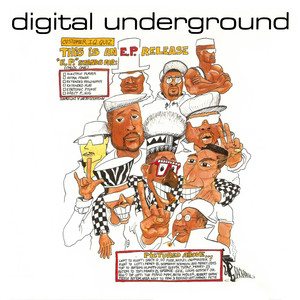
Digital Underground followed Sex Packets in early 1991 with This Is an EP Release, their first recording to feature rapper <a href="spotify:artist:1ZwdS5xdxEREPySFridCfh">Tupac Shakur</a>. The EP went gold and set the stage for their second album, Sons of the P, which was released that fall. On the strength of the gold single "Kiss You Back," Sons of the P also went gold, but it received criticism for its similarity to Sex Packets. By the time Digital Underground delivered their third album, The Body-Hat Syndrome in late 1993, hip-hop had become dominated by gangsta rap, particularly the drawling G-funk of <a href="spotify:artist:6DPYiyq5kWVQS4RGwxzPC7">Dr. Dre</a>, which ironically was heavily indebted to <a href="spotify:artist:2GVBp7QyHckoOg7rYkLvrA">Clinton</a>. Consequently, their fan base diminished significantly, and The Body-Hat Syndrome disappeared shortly after its release. Nearly three years later, Digital Underground returned with Future Rhythm, which spent a mere three weeks on the charts. Who Got the Gravy? followed in 1998. The 2008 album ...Cuz a D.U. Party Don't Stop! combined studio material with recordings from a 2005 Digital Underground concert. The group went on an indefinite hiatus following its release; <a href="spotify:artist:7mFqeqDcctDWHGKY2AIAMl">Shock-G</a> died on April 22, 2021 in a hotel room in Tampa, Florida at the age of 57. ~ Stephen Thomas Erlewine, Rovi
Monthly Listeners
995,577
Monthly Listeners History
Track the evolution of monthly listeners over the last 28 days.
Followers
625,443
Followers History
Track the evolution of followers over the last 28 days.
Total Streams
524.1 million
Total Streams History
Track the evolution of total streams over the last 28 days. This data is calculated from all tracks listed in the artist's discography.
Top Cities

Related Artists

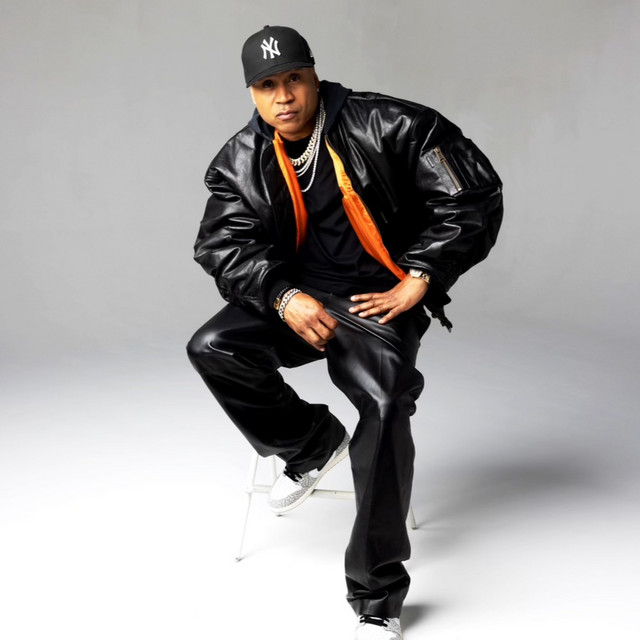
LL COOL J
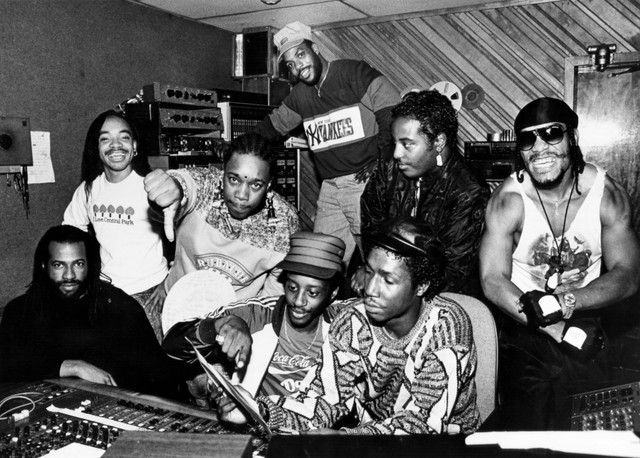
Heavy D & The Boyz