Genre
zarzuela
Top Zarzuela Artists
Showing 25 of 51 artists



About Zarzuela
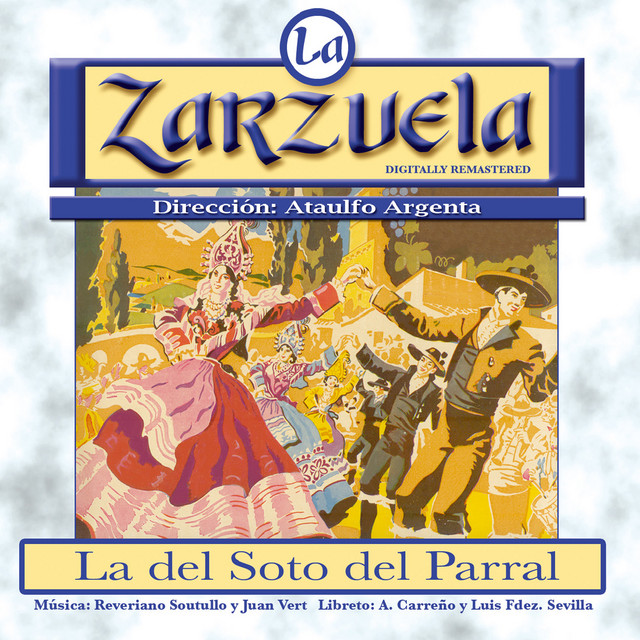
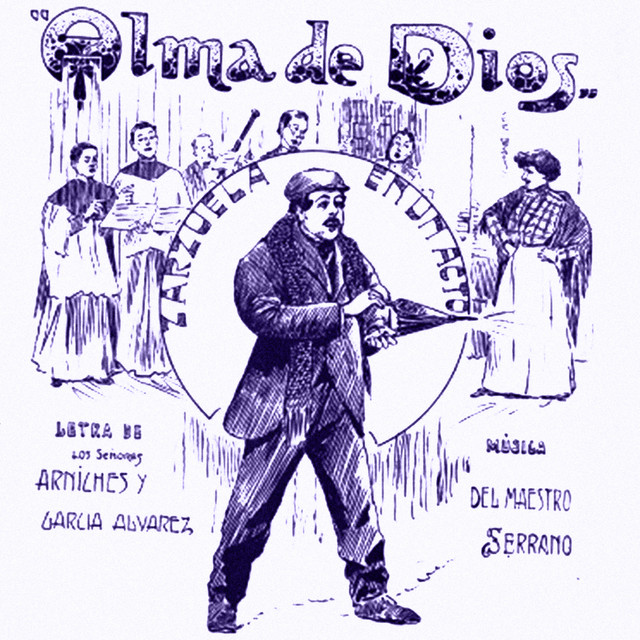
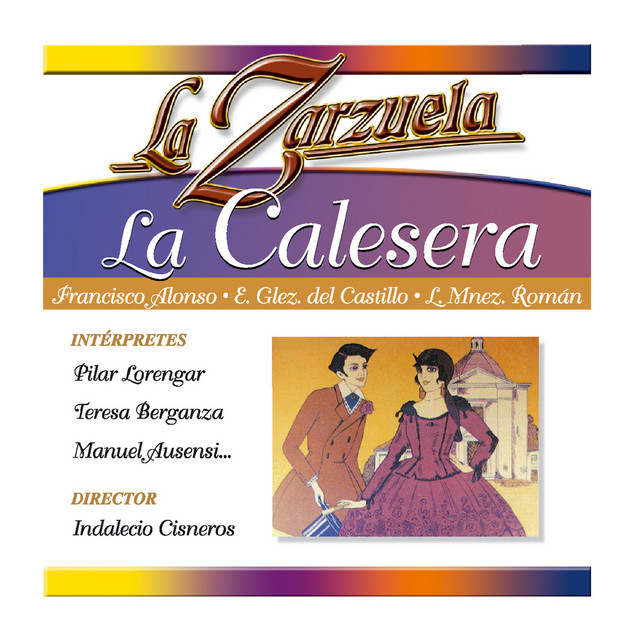
Zarzuela is a distinctively Spanish lyric-dramatic genre that fuses spoken dialogue with musical numbers, from arias and duets to choruses and dances. Think of it as a theatre-piece where song and speech alternate to tell a story rooted in everyday life, often with a wry or affectionate social gaze. The music blends cantable melodies with popular song forms—seguidillas, coplas, fandangos—and sometimes hints of regional folk color, all wrapped in theatricality that can be heartfelt, comic, or staged with high-flown sentiment.
The form traces its origins to late 17th- and 18th-century Madrid, where courtly entertainments and urban spectacle began to coalesce into what critics later named zarzuela. The name itself is often linked to Madrid’s La Zarzuela, a theatre and garden venue associated with early performances; the term came to designate a genre rather than a single work. By the 19th century, zarzuela had crystallized into two main strands: zarzuela grande, which aimed at larger, more dramatic works with ensemble numbers and longer libretti, and zarzuela cómica, the brisk, witty, often one-act form that leaned on popular humor and social observation. The Teatro de la Zarzuela in Madrid, established in the 19th century, became the traditional home for the repertoire and its revival.
Musically and dramatically, zarzuela distinguishes itself from opera by its embrace of dialogue and situational comedy, often set in recognizable social worlds: taverns, city streets, countryside fêtes, or middle-class interiors. The orchestration is flexible, and the scoring can range from intimate chamber textures to fuller ensemble writing. In performance, the singers must navigate both spoken dialogue and sung passages with naturalness, balancing ornamented song with crisp speech to propel the drama.
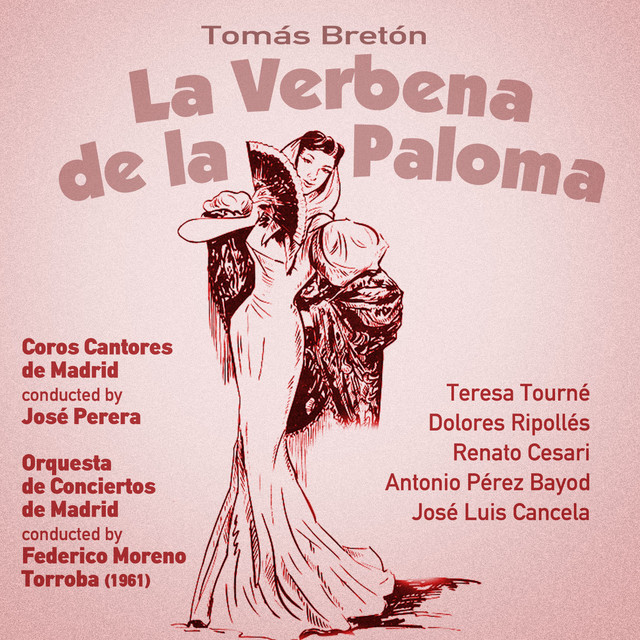
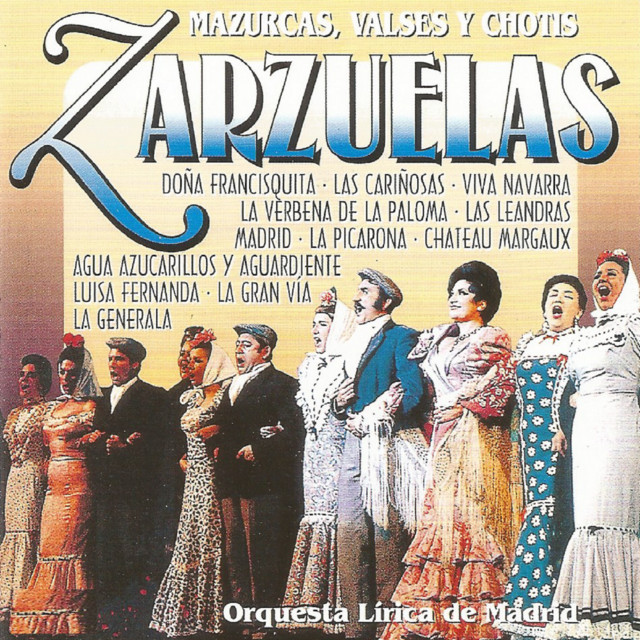
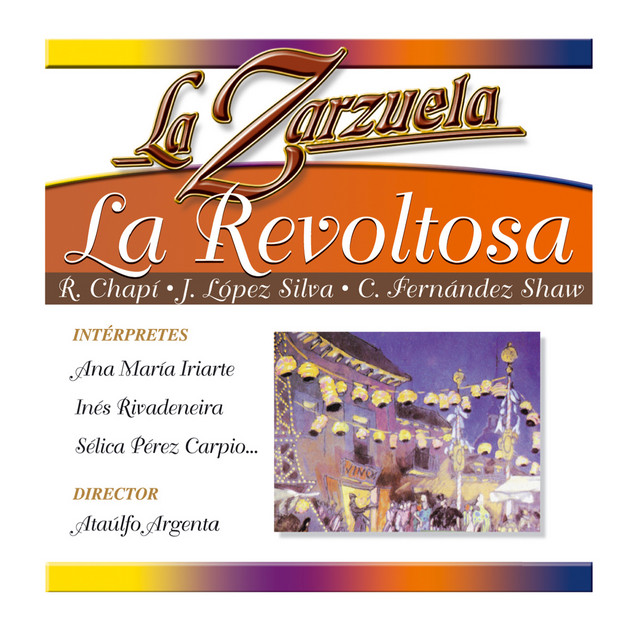
Historical landmarks include works from the late 19th century that established the form’s modern voice. Tomás Bretón’s La Verbena de la Paloma remains one of the most beloved one-act zarzuelas, a lively vignette of Madrid’s street life at a holiday fair. Francisco Asenjo Barbieri’s El barberillo de Lavapiés helped define the operatic-tinged, character-driven style of the era. Ruperto Chapí’s La Revoltosa is a crowd-pleaser that showcases witty social observation through music. Earlier still, Arrieta’s Marina offered a more lyrical, Mediterranean-inflectedExample of the genre’s capacity for romance and pathos, while Amadeo Vives’ Doña Francisquita and Manuel Moreno Torroba’s Luisa Fernanda helped carry zarzuela into the 20th century, the latter bridging traditional form with contemporary sensibilities and broad international appeal.
Zarzuela remains most closely associated with Spain, where it continues to be produced and revived, especially in Madrid. It also enjoyed widespread popularity in parts of Latin America during the 19th and early 20th centuries, contributing to a transatlantic theatrical culture. Today’s enthusiasts can explore a canon that ranges from intimate charm to grand theatricality, all held together by a uniquely Spanish sense of melody, wit, and storytelling. If opera can be grand and universal, zarzuela speaks in a voice that feels intimate, instantly familiar, and alive to the street-level drama of human life.
The form traces its origins to late 17th- and 18th-century Madrid, where courtly entertainments and urban spectacle began to coalesce into what critics later named zarzuela. The name itself is often linked to Madrid’s La Zarzuela, a theatre and garden venue associated with early performances; the term came to designate a genre rather than a single work. By the 19th century, zarzuela had crystallized into two main strands: zarzuela grande, which aimed at larger, more dramatic works with ensemble numbers and longer libretti, and zarzuela cómica, the brisk, witty, often one-act form that leaned on popular humor and social observation. The Teatro de la Zarzuela in Madrid, established in the 19th century, became the traditional home for the repertoire and its revival.
Musically and dramatically, zarzuela distinguishes itself from opera by its embrace of dialogue and situational comedy, often set in recognizable social worlds: taverns, city streets, countryside fêtes, or middle-class interiors. The orchestration is flexible, and the scoring can range from intimate chamber textures to fuller ensemble writing. In performance, the singers must navigate both spoken dialogue and sung passages with naturalness, balancing ornamented song with crisp speech to propel the drama.
Historical landmarks include works from the late 19th century that established the form’s modern voice. Tomás Bretón’s La Verbena de la Paloma remains one of the most beloved one-act zarzuelas, a lively vignette of Madrid’s street life at a holiday fair. Francisco Asenjo Barbieri’s El barberillo de Lavapiés helped define the operatic-tinged, character-driven style of the era. Ruperto Chapí’s La Revoltosa is a crowd-pleaser that showcases witty social observation through music. Earlier still, Arrieta’s Marina offered a more lyrical, Mediterranean-inflectedExample of the genre’s capacity for romance and pathos, while Amadeo Vives’ Doña Francisquita and Manuel Moreno Torroba’s Luisa Fernanda helped carry zarzuela into the 20th century, the latter bridging traditional form with contemporary sensibilities and broad international appeal.
Zarzuela remains most closely associated with Spain, where it continues to be produced and revived, especially in Madrid. It also enjoyed widespread popularity in parts of Latin America during the 19th and early 20th centuries, contributing to a transatlantic theatrical culture. Today’s enthusiasts can explore a canon that ranges from intimate charm to grand theatricality, all held together by a uniquely Spanish sense of melody, wit, and storytelling. If opera can be grand and universal, zarzuela speaks in a voice that feels intimate, instantly familiar, and alive to the street-level drama of human life.