Data may be outdated
Last updated: 9 months ago — Click refresh to get the latest statistics.
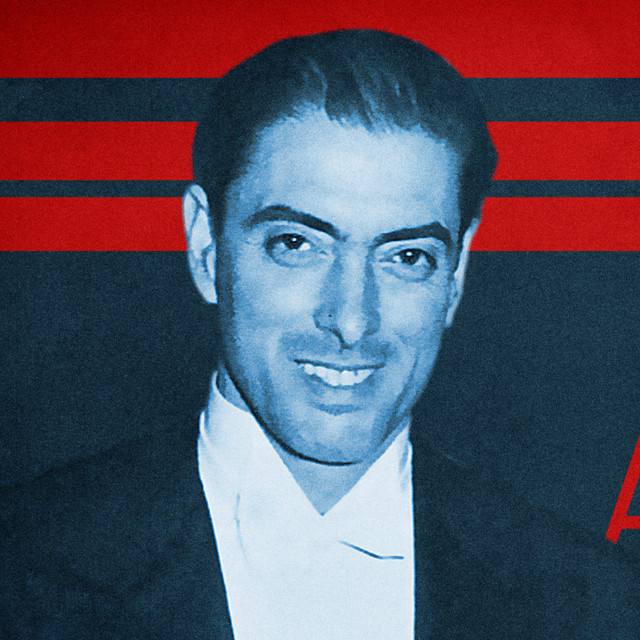
Ataulfo Argenta was a leading Spanish conductor who appeared to be developing an important career that was cut short by his early death at the age of forty-four.
He was a musically talented child who attracted considerable attention as a pianist, then entered the Royal Conservatory in Madrid at the age of thirteen in 1927. He won a Premio Extraordinario in piano at the Conservatory in 1930, and the Kristina Nilsson Prize in 1931.
The latter prize enabled him to study piano and conducting in Belgium and Germany. These studies saw him safely outside of Spain when the Civil War broke out in that country. After the end of that conflict, when general war broke out in Europe in 1939, he returned to neutral Spain where he worked in a variety of musical jobs, including staff keyboard player (mostly piano and celesta) with the National Orchestra in Madrid.
He returned to Germany for more studies from 1941 to 1943, studying conducting with <a href="spotify:artist:0nEkEbW7pcAHu49cCJJG96">Carl Schuricht</a> and teaching piano at the Kassel Conservatory, then returned to Spain and made his conducting debut on a broadcast concert with the national radio orchestra.
His first performance with Spain's National Orchestra was on October 10, 1945. It is remembered as a brilliant debut and it led to his being appointed the orchestra's music director in 1947, a post he retained until his death.
He first conducted outside of Spain when pianist <a href="spotify:artist:0W2NRBmrpN7LCG6PdRmBZH">José Iturbi</a> hired him to be his conductor in a performance the pianist organized at Harringay Arena in London; the orchestra was the London Symphony. This began a demand for his services as guest conductor with various European orchestras and on South American tours. He also founded a major music festival in Grenada.
He signed a contract with England's Decca record company and specialized in late nineteenth- and early twentieth-century music, especially Spanish music. Among his most notable recordings was the opera Goyescas by <a href="spotify:artist:2xmzOWZeQCDksIQcLcnRrT">Enrique Granados</a> and the symphonic work Danzas fantasticas by Turina, which remained in the LP catalogue for over twenty years. His conducting style was lean, muscular, and precise. He was considered to be on the verge of a major international career when he died.
He was a musically talented child who attracted considerable attention as a pianist, then entered the Royal Conservatory in Madrid at the age of thirteen in 1927. He won a Premio Extraordinario in piano at the Conservatory in 1930, and the Kristina Nilsson Prize in 1931.
The latter prize enabled him to study piano and conducting in Belgium and Germany. These studies saw him safely outside of Spain when the Civil War broke out in that country. After the end of that conflict, when general war broke out in Europe in 1939, he returned to neutral Spain where he worked in a variety of musical jobs, including staff keyboard player (mostly piano and celesta) with the National Orchestra in Madrid.
He returned to Germany for more studies from 1941 to 1943, studying conducting with <a href="spotify:artist:0nEkEbW7pcAHu49cCJJG96">Carl Schuricht</a> and teaching piano at the Kassel Conservatory, then returned to Spain and made his conducting debut on a broadcast concert with the national radio orchestra.
His first performance with Spain's National Orchestra was on October 10, 1945. It is remembered as a brilliant debut and it led to his being appointed the orchestra's music director in 1947, a post he retained until his death.
He first conducted outside of Spain when pianist <a href="spotify:artist:0W2NRBmrpN7LCG6PdRmBZH">José Iturbi</a> hired him to be his conductor in a performance the pianist organized at Harringay Arena in London; the orchestra was the London Symphony. This began a demand for his services as guest conductor with various European orchestras and on South American tours. He also founded a major music festival in Grenada.
He signed a contract with England's Decca record company and specialized in late nineteenth- and early twentieth-century music, especially Spanish music. Among his most notable recordings was the opera Goyescas by <a href="spotify:artist:2xmzOWZeQCDksIQcLcnRrT">Enrique Granados</a> and the symphonic work Danzas fantasticas by Turina, which remained in the LP catalogue for over twenty years. His conducting style was lean, muscular, and precise. He was considered to be on the verge of a major international career when he died.
Monthly Listeners
14,886
Monthly Listeners History
Track the evolution of monthly listeners over the last 28 days.
Followers
1,999
Followers History
Track the evolution of followers over the last 28 days.
Top Cities
1,896 listeners
648 listeners
374 listeners

278 listeners
228 listeners
Related Artists

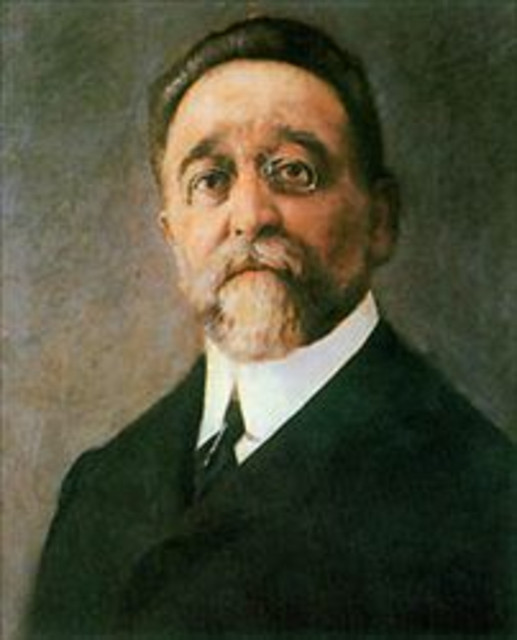
Tomás Bretón
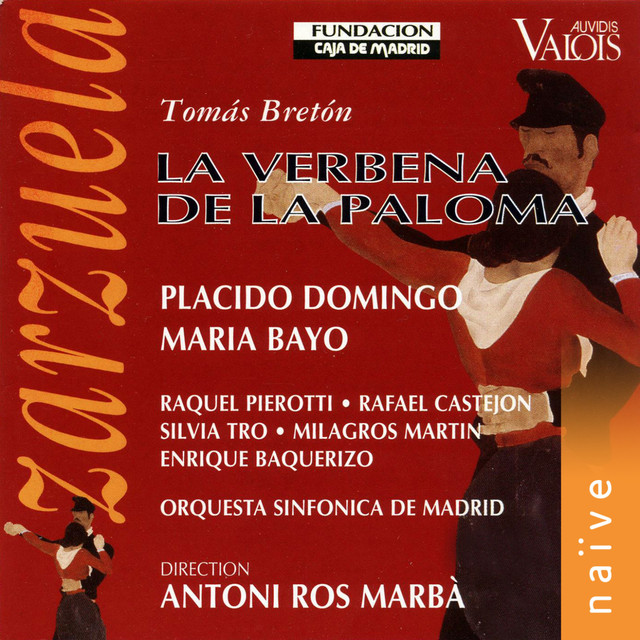
Antoni Ros Marbá
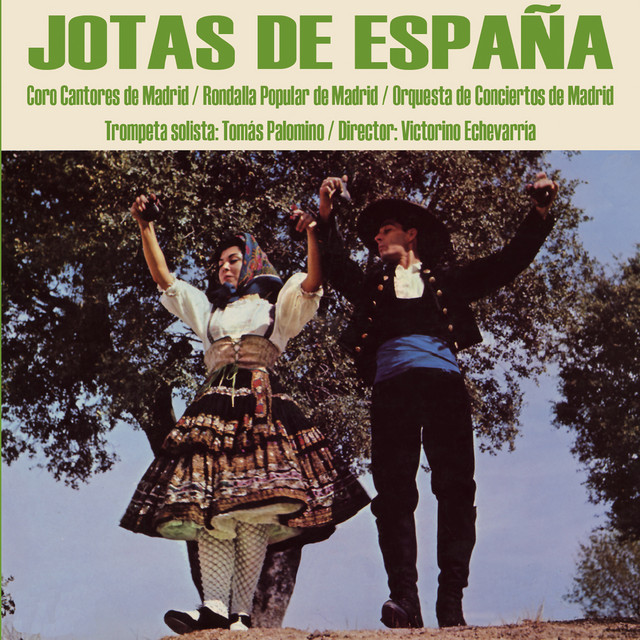
Orquesta de Conciertos de Madrid
Coros Cantores De Madrid
José Perera
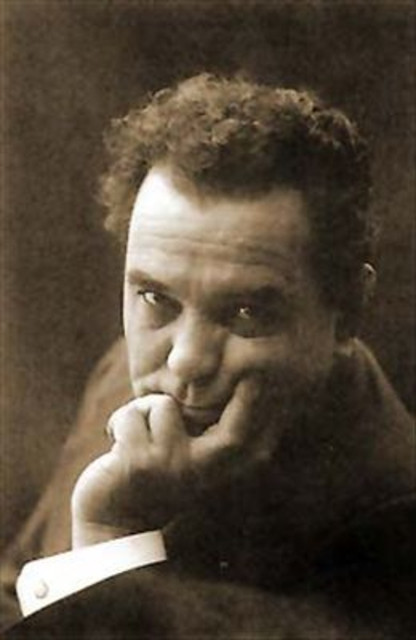
Amadeo Vives
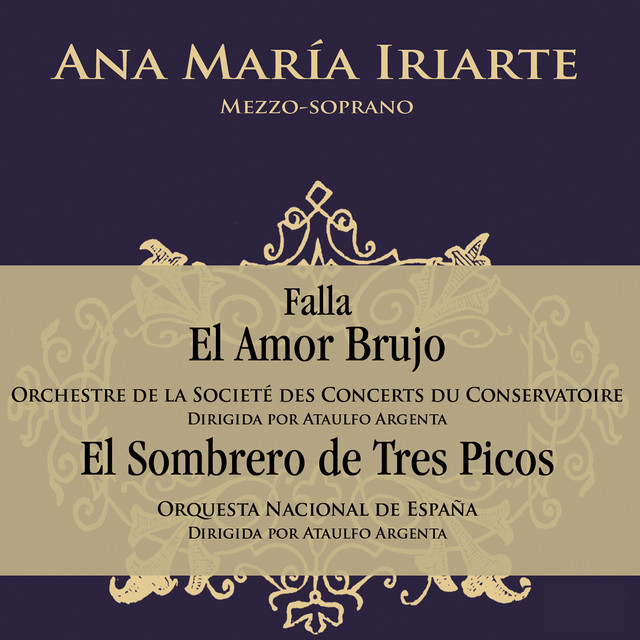
Ana Maria Iriarte

Reveriano Soutullo
Gran Orquesta Sinfonica
Orquesta De Camara De Madrid
Juan Vert

Francisco Asenjo Barbieri

Renato Cesari

Jose Serrano

Antonio Paso
Coro Cantores de Madrid
Carlos Munguia
Ana Maria Olaria
Benito Lauret
Joaquín Valverde
Pablo Luna

Manuel Fernandez Caballero
Pedro Lavirgen
Estrella Alsina
Rafael Castejon
Jerónimo Giménez

Orquesta Sinfónica de RTVE