Data may be outdated
Last updated: 9 months ago — Click refresh to get the latest statistics.
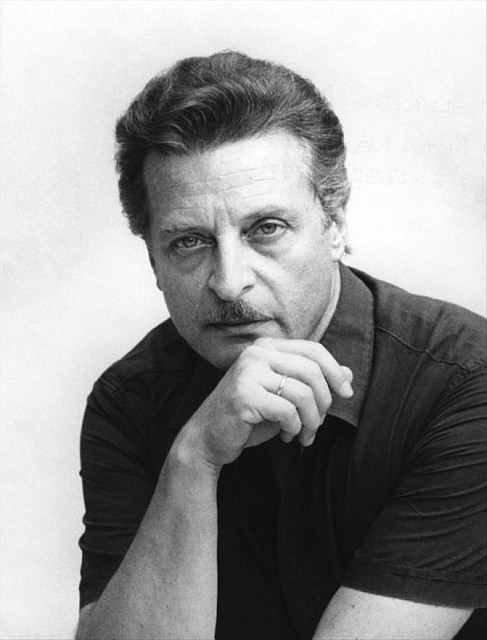
A leading lyric tenor of his generation, Alfredo Kraus parlayed his vocal and artistic gifts into one of the longest and best managed careers in recent memory. Always careful -- both in choice of roles and in the regulation of his performing schedule -- not to overextend himself, he achieved a degree of consistency and longevity that kept him active professionally well into his sixties, always applauded for his youthful tone and delivery. Among his vocal assets were an admirable top extension -- which included an enviable D above high C -- a warm tone, and an instinctive feel for the shape of phrases, especially in French repertory. He, <a href="spotify:artist:3ALYsjti5tptGpfAgEYweV">Carlo Bergonzi</a>, and <a href="spotify:artist:1CjvOazvrDCipu1gbgyjIh">Nicolai Gedda</a> were noted for their style, refinement, and musicianship in an era when, especially in Italian opera, tenors often neglected such qualities. He starred in the title role of Viladamot's 1959 film Gayarre, a biography of the famous Spanish tenor.
While he studied music as a youngster, Kraus had no intention of becoming a professional singer, until friends and family began encouraging him to do so. In taking up vocal studies, Kraus avoided heavier repertory and focused on the bel canto tenore di grazia parts that he knew were right for his voice. At the age of 28, he won first prize at the Geneva Competition, and a representative of the Cairo Opera, who was present at the auditions, offered him the role of the Duke in Rigoletto; he made his professional opera debut at the Cairo Opera in that role in 1956. His great success there was followed by equally gratifying appearances in Venice, Turin, and Barcelona, and in 1958, he appeared in La Traviata with <a href="spotify:artist:0bjdfjE8XbLa2Odstu6E1E">Maria Callas</a> in Lisbon -- the Lisbon Traviata. In 1959, he sang Arturo in I Puritani for the first time, made his La Scala and Covent Garden debuts, followed by his Metropolitan Opera debut in 1965 and Salzburg debut in 1968. In Rome, he sang his first Werther, a role that, like Arturo, was to become one of his signatures.
Aside from his fine sense of the musical nuance and phrasing, his portrayal of the mentally unstable, morbid, masochistic, and manipulative character of Werther has been acclaimed as one of the most effective and insightful readings ever. During the 1980s, he began to limit the number of his performances even further (at the peak of his career, he never sang more than 50 in a year), and started to turn his attention to teaching, although even in the 1990s he still had an active performing schedule. Kraus died on September 10, 1999, after an extended illness.
While he studied music as a youngster, Kraus had no intention of becoming a professional singer, until friends and family began encouraging him to do so. In taking up vocal studies, Kraus avoided heavier repertory and focused on the bel canto tenore di grazia parts that he knew were right for his voice. At the age of 28, he won first prize at the Geneva Competition, and a representative of the Cairo Opera, who was present at the auditions, offered him the role of the Duke in Rigoletto; he made his professional opera debut at the Cairo Opera in that role in 1956. His great success there was followed by equally gratifying appearances in Venice, Turin, and Barcelona, and in 1958, he appeared in La Traviata with <a href="spotify:artist:0bjdfjE8XbLa2Odstu6E1E">Maria Callas</a> in Lisbon -- the Lisbon Traviata. In 1959, he sang Arturo in I Puritani for the first time, made his La Scala and Covent Garden debuts, followed by his Metropolitan Opera debut in 1965 and Salzburg debut in 1968. In Rome, he sang his first Werther, a role that, like Arturo, was to become one of his signatures.
Aside from his fine sense of the musical nuance and phrasing, his portrayal of the mentally unstable, morbid, masochistic, and manipulative character of Werther has been acclaimed as one of the most effective and insightful readings ever. During the 1980s, he began to limit the number of his performances even further (at the peak of his career, he never sang more than 50 in a year), and started to turn his attention to teaching, although even in the 1990s he still had an active performing schedule. Kraus died on September 10, 1999, after an extended illness.
Monthly Listeners
45,213
Monthly Listeners History
Track the evolution of monthly listeners over the last 28 days.
Followers
32,214
Followers History
Track the evolution of followers over the last 28 days.
Top Cities
2,510 listeners
1,264 listeners
1,145 listeners
985 listeners

525 listeners

Related Artists
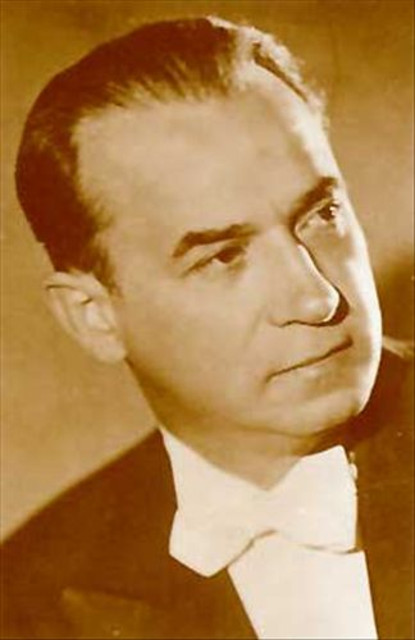

Jose Serrano
José Perera
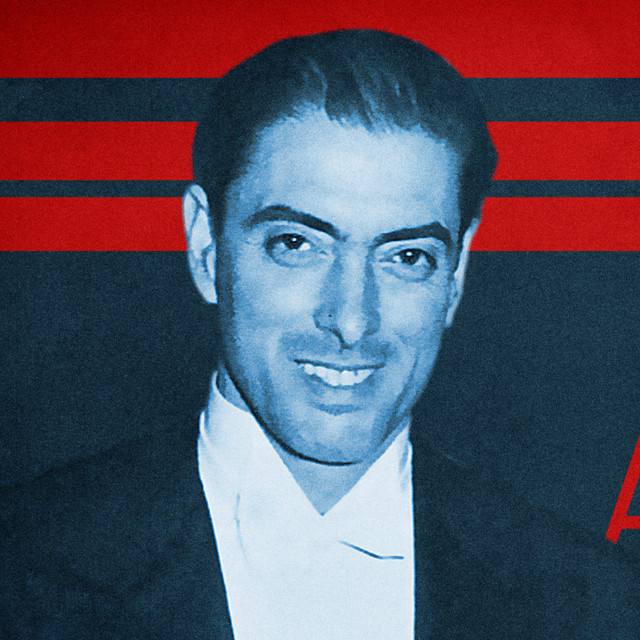

Tomás Bretón
Juan Vert
Coros Cantores De Madrid

Renato Cesari
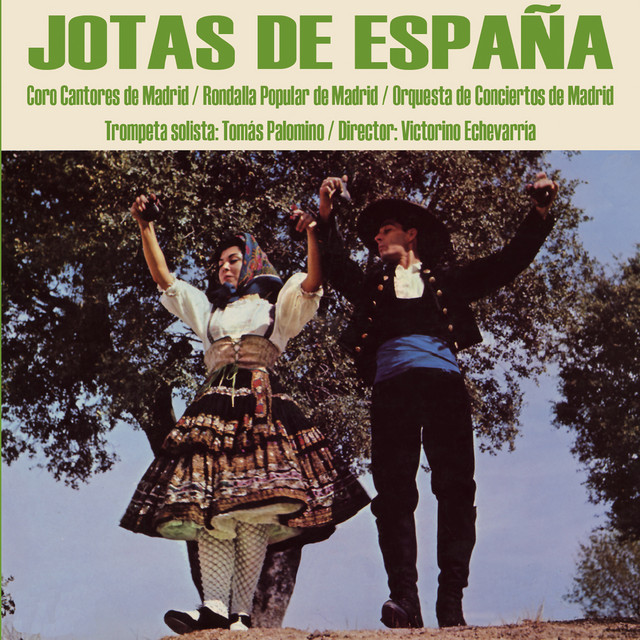
Orquesta de Conciertos de Madrid
Reveriano Soutullo
Gran Orquesta Sinfonica
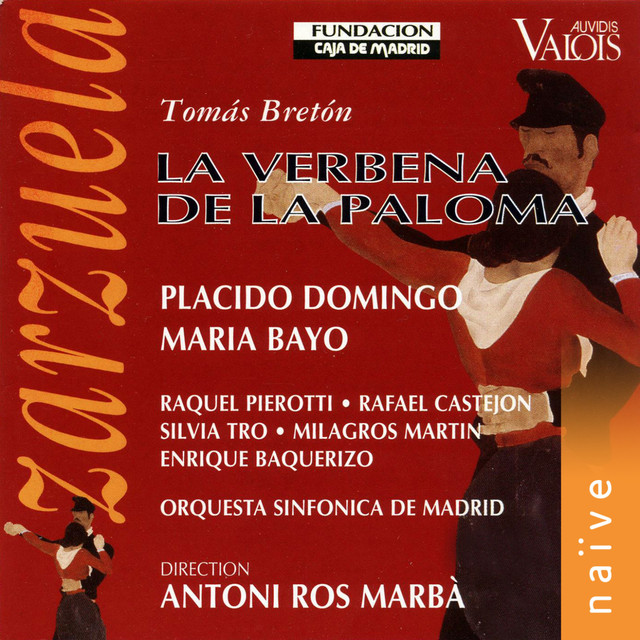
Antoni Ros Marbá
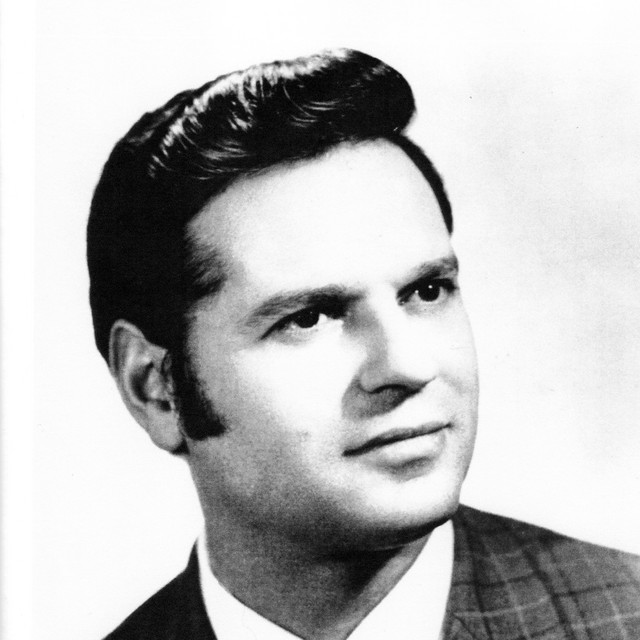
Pedro Lavirgen

Amadeo Vives
Coro Cantores de Madrid

Francisco Asenjo Barbieri

Orquesta Montilla
Estrella Alsina
Ana Maria Iriarte
Carlos Munguia
Manuel Penella

Manuel Fernandez Caballero

Pablo Luna

Miguel Fleta

Antonio Paso