Data may be outdated
Last updated: 9 months ago — Click refresh to get the latest statistics.
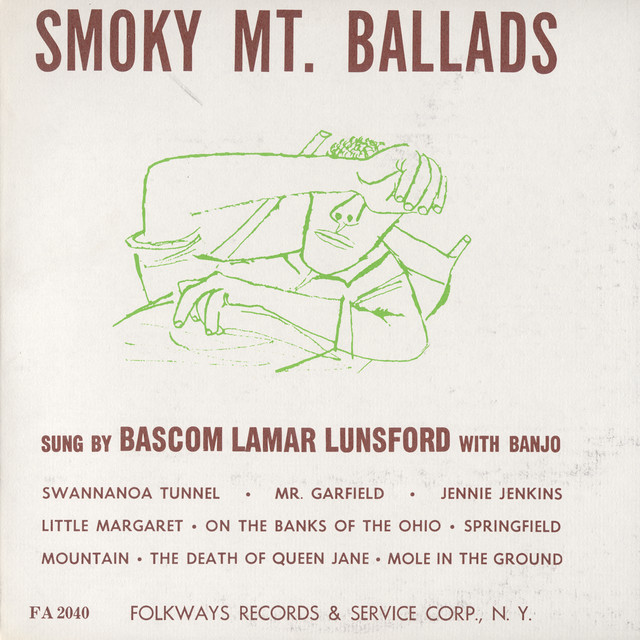
The traditional folk songs and buck dancing of the United States' Southern mountain region may have faded into the past without the efforts of collector, musician, and impresario Bascom Lamar Lunsford. During the nearly three-quarters of a century that he collected songs and dances in the Appalachian Mountains, Lunsford laid the groundwork for the preservation and revival of traditional folk music and dance. Although Lunsford composed such now-standard songs as "Old Mountain Dew" and "I Wish I Was a Mole in the Ground," he's best remembered for the hundreds of songs that he collected and recorded for Columbia University and the Library of Congress' Archive of American Folk Song.
The son of a school teacher, Lunsford began collecting songs shortly after graduating from college at the turn of the 20th century. Traveling on horseback, he worked a variety of jobs including selling fruit trees, working as an attorney, and serving a short stint with the FBI. Claiming to have "spent nights in more homes from Harpers Ferry, North Carolina to Iron Mountain, Alabama than God," Lunsford spent most of his time collecting folk songs. Dressed in a white starched shirt and black bow tie, he railed against the stereotyping of the "hillbillies" and used music and dance as a way to draw attention to the strengths and value of the Southern mountain culture.
"The Minstrel of the Appalachians," Lunsford helped to spread the Southern style of buck dancing, an energetic technique of rhythmically accompanying a tune with one's feet that fused Scottish, Irish, African-American, and Cherokee dancing. Beginning with dance competitions in North Carolina, often at his home where he installed a special dancefloor, Lunsford helped to turn buck dancing into a national fad. A turning point came in 1928 when he was hired to organize a folk music and dance show at the Rhododendron Festival in Asheville, North Carolina. The show attracted more than 5,000 people and became an annual event, becoming one of the first folk festivals in the United States.
Although he was criticized for excluding songs of politics, labor strife, Black culture, and bawdy material, Lunsford's efforts were essential to the preservation of the culture of "the true Southern mountaineers" and served as an inspiration for everyone from <a href="spotify:artist:7kJfeECt6CmcCBM8uX1td8">Mike</a> and <a href="spotify:artist:1P9syEkl41IFowWIJN7ZBY">Pete Seeger</a> to <a href="spotify:artist:74ASZWbe4lXaubB36ztrGX">Bob Dylan</a> and <a href="spotify:artist:1EevBGfUh3RSQSGpluxgBm">Joan Baez</a>. While most of his attention was focused on collecting the songs and dances of others, Lunsford toured the world performing and lecturing. ~ Craig Harris, Rovi
The son of a school teacher, Lunsford began collecting songs shortly after graduating from college at the turn of the 20th century. Traveling on horseback, he worked a variety of jobs including selling fruit trees, working as an attorney, and serving a short stint with the FBI. Claiming to have "spent nights in more homes from Harpers Ferry, North Carolina to Iron Mountain, Alabama than God," Lunsford spent most of his time collecting folk songs. Dressed in a white starched shirt and black bow tie, he railed against the stereotyping of the "hillbillies" and used music and dance as a way to draw attention to the strengths and value of the Southern mountain culture.
"The Minstrel of the Appalachians," Lunsford helped to spread the Southern style of buck dancing, an energetic technique of rhythmically accompanying a tune with one's feet that fused Scottish, Irish, African-American, and Cherokee dancing. Beginning with dance competitions in North Carolina, often at his home where he installed a special dancefloor, Lunsford helped to turn buck dancing into a national fad. A turning point came in 1928 when he was hired to organize a folk music and dance show at the Rhododendron Festival in Asheville, North Carolina. The show attracted more than 5,000 people and became an annual event, becoming one of the first folk festivals in the United States.
Although he was criticized for excluding songs of politics, labor strife, Black culture, and bawdy material, Lunsford's efforts were essential to the preservation of the culture of "the true Southern mountaineers" and served as an inspiration for everyone from <a href="spotify:artist:7kJfeECt6CmcCBM8uX1td8">Mike</a> and <a href="spotify:artist:1P9syEkl41IFowWIJN7ZBY">Pete Seeger</a> to <a href="spotify:artist:74ASZWbe4lXaubB36ztrGX">Bob Dylan</a> and <a href="spotify:artist:1EevBGfUh3RSQSGpluxgBm">Joan Baez</a>. While most of his attention was focused on collecting the songs and dances of others, Lunsford toured the world performing and lecturing. ~ Craig Harris, Rovi
Monthly Listeners
3,034
Monthly Listeners History
Track the evolution of monthly listeners over the last 28 days.
Followers
3,394
Followers History
Track the evolution of followers over the last 28 days.
Top Cities
69 listeners

55 listeners

49 listeners
46 listeners
45 listeners
Related Artists
Buell Kazee

E.C. Ball


Blind Alfred Reed

Sam McGee

Frank Proffitt




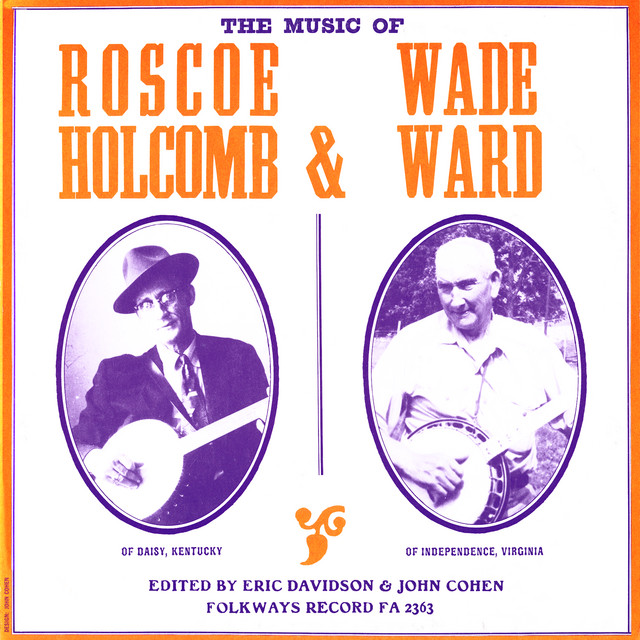
Wade Ward


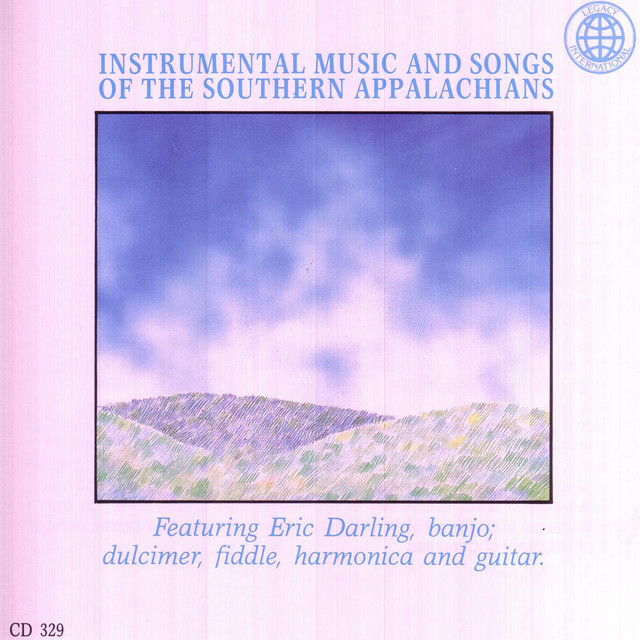
Eric Darling

Doug Wallin
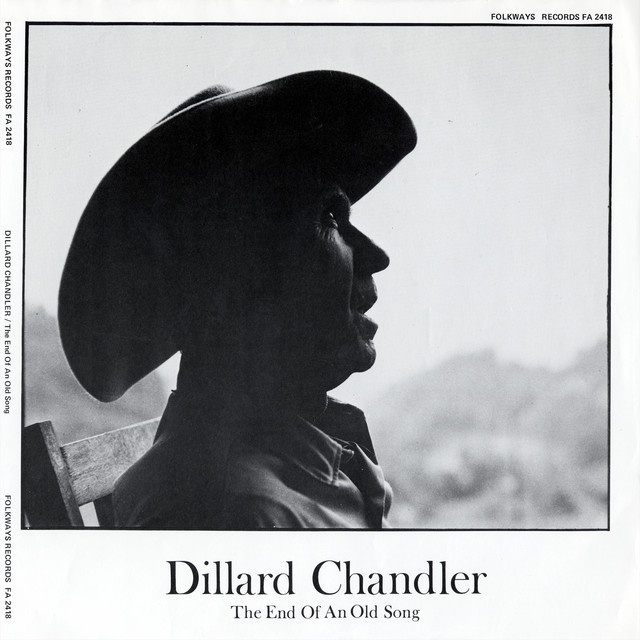
Dillard Chandler
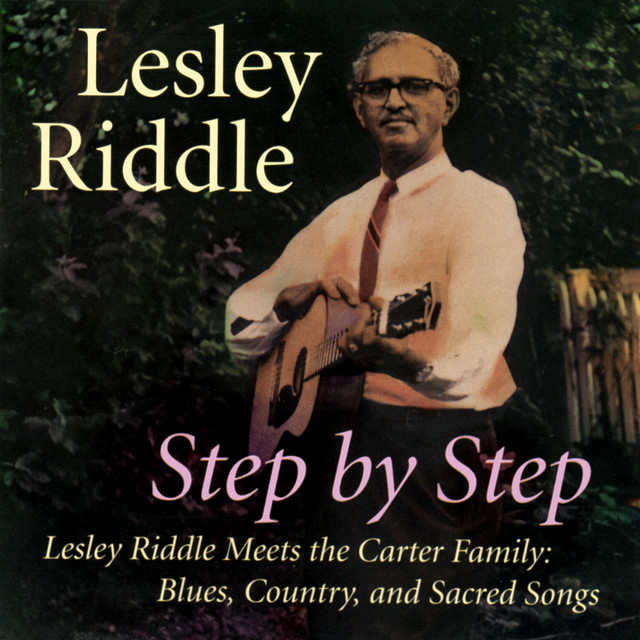
Lesley Riddle

The Poplin Family

The Phipps Family
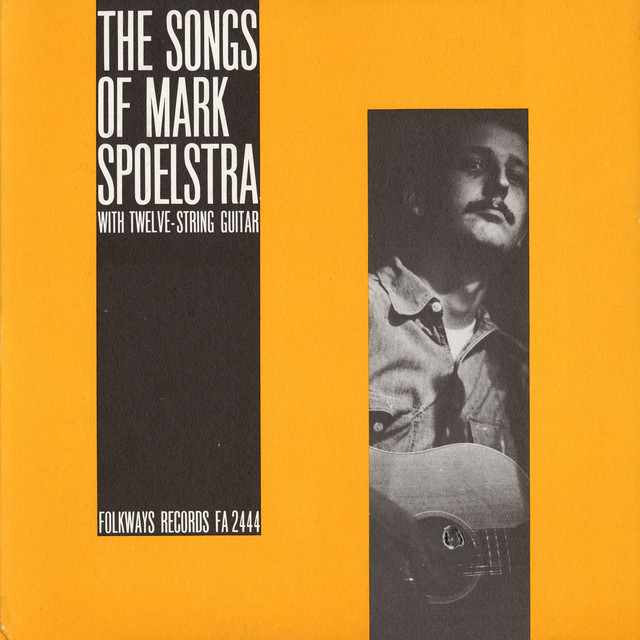
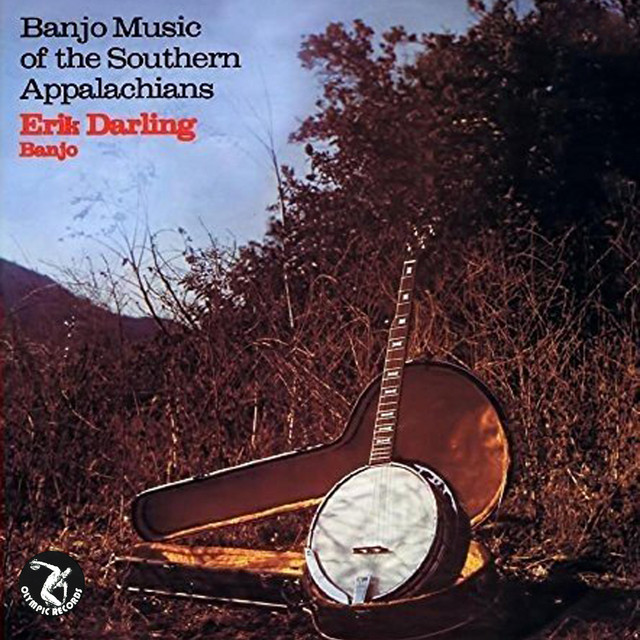
Erik Darling

Alfred G. Karnes

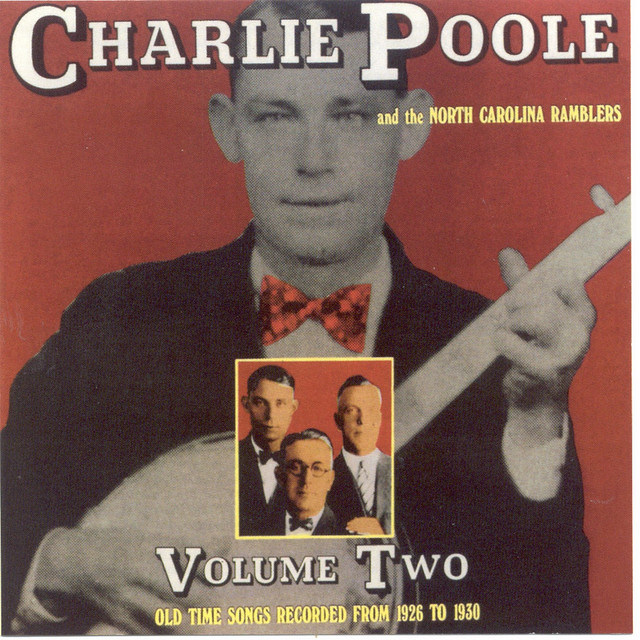
Charlie Poole & The North California Ramblers
Neal Morris

Horton Barker