Last updated: 2 hours ago
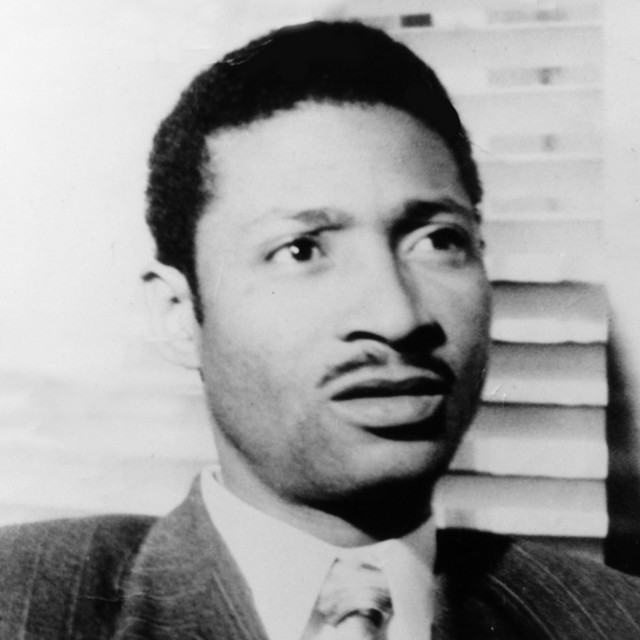
One of the pillars of popular music in Cuba, Beny Moré was noted for both his vocal virtuosity and his direct emotional appeal, whether delivering boleros or hip-shaking mambos and rhumbas. While known for a range of styles, his distinctiveness also lay in his synthesis of two of the major currents of Cuban song: Afro-Cuban son and the Spanish-derived guajiro of the Cuban countryside. Though he could not read music, Moré composed two of his signature hits, "Bonito y Sabroso" (1950) and "Que Bueno Baila Usted" (1957), and he doubled as a bandleader with a powerful group that represented the quintessential Afro-Cuban big-band sound of the '50s: brash, multi-textured, and dynamic.
Born Bartolome Maximiliano Moré in 1919 in the village of Santa Isabel de Las Lajas in Las Villas Province, Cuba, Moré left for Havana as a teenager and for several years worked a variety of odd jobs while performing as a street singer in the city's port area. He owed at least some of his singing style to a series of soneros who preceded him: <a href="spotify:artist:30iuQTTr3l7QihN6KKgJrG">Antonio Machin</a>, <a href="spotify:artist:76FXHtG8OASjkkZnrmlg7q">Miguelito Valdes</a>, and Orlando "Cascarita" Guerra. His big break came in 1945, when he accompanied the <a href="spotify:artist:7fNFHXas6ZMoPje7ykAbvK">Miguel Matamoros</a> conjunto to Mexico. In the late '40s, Mexico City was a magnet for Cuban entertainers seeking to make it big in the Mexican film industry. After touring Mexico, <a href="spotify:artist:7fNFHXas6ZMoPje7ykAbvK">Matamoros</a> returned to Cuba, but Moré decided to stay behind. Before leaving, <a href="spotify:artist:7fNFHXas6ZMoPje7ykAbvK">Matamoros</a> counseled Moré to change his name since "bartolo" meant donkey in Mexican slang. Rechristened Beny Moré, in a year or two he was discovered by Mario Rivera Conde, the director of RCA Victor Mexico, who featured him with a series of high-caliber orchestras, including those of <a href="spotify:artist:1ZKhPkCXXgtiGgALn4OYtT">Perez Prado</a> and Mexican composer Raphael De Paz.
Moré's early recordings in Mexico included a balance of uptempo tunes and ballads; this proportion changed in favor of ballads when he finally fronted his own band. He sang with five different orchestras on these sessions, yet there were few jarring contrasts. The <a href="spotify:artist:1ZKhPkCXXgtiGgALn4OYtT">Perez Prado</a> orchestra was an exception to this rule: <a href="spotify:artist:1ZKhPkCXXgtiGgALn4OYtT">Prado</a>'s flailing piano style and trademark grunts were disparate in an exciting way. Rivera Conde's pairing of <a href="spotify:artist:1ZKhPkCXXgtiGgALn4OYtT">Prado</a> and Moré turned out to be a masterstroke that produced some of the most high-energy recordings of Moré's career. Moré sang some of his most memorable songs while on his Mexican sojourn -- "Bonito y Sabroso," "San Fernando," "Donde Estabas Tu" -- with the Raphael De Paz Orchestra. But perhaps his best-known song, the bolero "Como Fue," was recorded with neither <a href="spotify:artist:1ZKhPkCXXgtiGgALn4OYtT">Prado</a> nor De Paz but with the orchestra of Ernesto Duarte. "Como Fue" was included in the soundtrack of the film Mambo Kings Play Songs of Love, where it added authenticity to an otherwise watery collection of Latin music.
Moré returned to Cuba in 1953 and assembled his own big band, with whom he crisscrossed Cuba until his death. He was intensely loyal to his musicians, referring to them as his tribu (tribe). Because he always insisted on having a large band, he was known to have gone out of pocket on his RCA recordings to pay his men. They responded by embellishing his songs with subtle, ornate orchestral playing. While Moré continued to record uptempo smash hits such as "Francisco Guayabal" and "Que Bueno Baila Usted," he focused on boleros, a natural showcase for his vocal and interpretive gifts. Moré had a signature vocal technique, a sort of glissando, that he used everywhere in varying forms. Typically, he would hold a note, then slide up the scale to a higher note and hold it there for a few seconds. It's an impressive device that he used to build drama on boleros like "Tu Me Sabes Comprender" and "No Puedo Callar." A less frequently used but equally distinctive technique was Moré's seagull squawk, which he included at the finale of the uptempo "Soy Campesino."
Moré never brought his band to record or perform in the United States, even though he was active during one of the rare moments in U.S. pop music history when authentic Cuban music was in demand. He decided to stay in Cuba after the Revolution, but he didn't live long, a victim of his love for rum. Beny Moré finally succumbed to cirrhosis of the liver on February 19, 1963, in Havana.
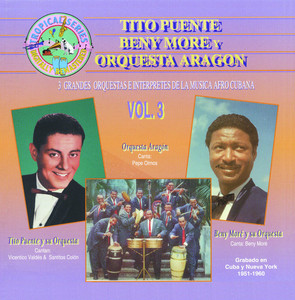
Moré's recorded output was relatively small, cut short as it was by his premature death. In 1992, BMG Music released the majority of Moré's recordings for RCA Victor from 1948 to 1958 on five CDs for its Tropical Series. Moré never recorded for anyone other than RCA, so it included all of his hits. Nevertheless, his earliest recordings with the <a href="spotify:artist:7fNFHXas6ZMoPje7ykAbvK">Miguel Matamoros</a> conjunto were missing, and only some of his songs with the <a href="spotify:artist:1ZKhPkCXXgtiGgALn4OYtT">Perez Prado</a> orchestra were included. However, Moré's great legacy was clearly represented: A voice that could evoke memories of lost romance or make one dance with joyous abandon. ~ Spencer Harrington, Rovi
Born Bartolome Maximiliano Moré in 1919 in the village of Santa Isabel de Las Lajas in Las Villas Province, Cuba, Moré left for Havana as a teenager and for several years worked a variety of odd jobs while performing as a street singer in the city's port area. He owed at least some of his singing style to a series of soneros who preceded him: <a href="spotify:artist:30iuQTTr3l7QihN6KKgJrG">Antonio Machin</a>, <a href="spotify:artist:76FXHtG8OASjkkZnrmlg7q">Miguelito Valdes</a>, and Orlando "Cascarita" Guerra. His big break came in 1945, when he accompanied the <a href="spotify:artist:7fNFHXas6ZMoPje7ykAbvK">Miguel Matamoros</a> conjunto to Mexico. In the late '40s, Mexico City was a magnet for Cuban entertainers seeking to make it big in the Mexican film industry. After touring Mexico, <a href="spotify:artist:7fNFHXas6ZMoPje7ykAbvK">Matamoros</a> returned to Cuba, but Moré decided to stay behind. Before leaving, <a href="spotify:artist:7fNFHXas6ZMoPje7ykAbvK">Matamoros</a> counseled Moré to change his name since "bartolo" meant donkey in Mexican slang. Rechristened Beny Moré, in a year or two he was discovered by Mario Rivera Conde, the director of RCA Victor Mexico, who featured him with a series of high-caliber orchestras, including those of <a href="spotify:artist:1ZKhPkCXXgtiGgALn4OYtT">Perez Prado</a> and Mexican composer Raphael De Paz.
Moré's early recordings in Mexico included a balance of uptempo tunes and ballads; this proportion changed in favor of ballads when he finally fronted his own band. He sang with five different orchestras on these sessions, yet there were few jarring contrasts. The <a href="spotify:artist:1ZKhPkCXXgtiGgALn4OYtT">Perez Prado</a> orchestra was an exception to this rule: <a href="spotify:artist:1ZKhPkCXXgtiGgALn4OYtT">Prado</a>'s flailing piano style and trademark grunts were disparate in an exciting way. Rivera Conde's pairing of <a href="spotify:artist:1ZKhPkCXXgtiGgALn4OYtT">Prado</a> and Moré turned out to be a masterstroke that produced some of the most high-energy recordings of Moré's career. Moré sang some of his most memorable songs while on his Mexican sojourn -- "Bonito y Sabroso," "San Fernando," "Donde Estabas Tu" -- with the Raphael De Paz Orchestra. But perhaps his best-known song, the bolero "Como Fue," was recorded with neither <a href="spotify:artist:1ZKhPkCXXgtiGgALn4OYtT">Prado</a> nor De Paz but with the orchestra of Ernesto Duarte. "Como Fue" was included in the soundtrack of the film Mambo Kings Play Songs of Love, where it added authenticity to an otherwise watery collection of Latin music.
Moré returned to Cuba in 1953 and assembled his own big band, with whom he crisscrossed Cuba until his death. He was intensely loyal to his musicians, referring to them as his tribu (tribe). Because he always insisted on having a large band, he was known to have gone out of pocket on his RCA recordings to pay his men. They responded by embellishing his songs with subtle, ornate orchestral playing. While Moré continued to record uptempo smash hits such as "Francisco Guayabal" and "Que Bueno Baila Usted," he focused on boleros, a natural showcase for his vocal and interpretive gifts. Moré had a signature vocal technique, a sort of glissando, that he used everywhere in varying forms. Typically, he would hold a note, then slide up the scale to a higher note and hold it there for a few seconds. It's an impressive device that he used to build drama on boleros like "Tu Me Sabes Comprender" and "No Puedo Callar." A less frequently used but equally distinctive technique was Moré's seagull squawk, which he included at the finale of the uptempo "Soy Campesino."
Moré never brought his band to record or perform in the United States, even though he was active during one of the rare moments in U.S. pop music history when authentic Cuban music was in demand. He decided to stay in Cuba after the Revolution, but he didn't live long, a victim of his love for rum. Beny Moré finally succumbed to cirrhosis of the liver on February 19, 1963, in Havana.
Moré's recorded output was relatively small, cut short as it was by his premature death. In 1992, BMG Music released the majority of Moré's recordings for RCA Victor from 1948 to 1958 on five CDs for its Tropical Series. Moré never recorded for anyone other than RCA, so it included all of his hits. Nevertheless, his earliest recordings with the <a href="spotify:artist:7fNFHXas6ZMoPje7ykAbvK">Miguel Matamoros</a> conjunto were missing, and only some of his songs with the <a href="spotify:artist:1ZKhPkCXXgtiGgALn4OYtT">Perez Prado</a> orchestra were included. However, Moré's great legacy was clearly represented: A voice that could evoke memories of lost romance or make one dance with joyous abandon. ~ Spencer Harrington, Rovi
Monthly Listeners
253,068
Monthly Listeners History
Track the evolution of monthly listeners over the last 28 days.
Followers
124,788
Followers History
Track the evolution of followers over the last 28 days.
Total Streams
747.4 million
Total Streams History
Track the evolution of total streams over the last 28 days. This data is calculated from all tracks listed in the artist's discography.
Top Cities
25,496 listeners
10,490 listeners

5,102 listeners
4,417 listeners
4,216 listeners
Related Artists


Havana Social Club


Toña La Negra Y Daniel Santos






Los Guaracheros De Oriente
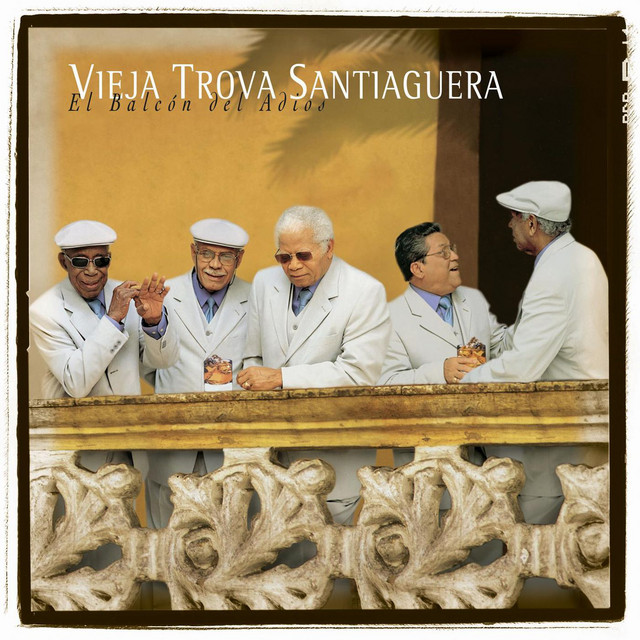
Vieja Trova Santiaguera