Data may be outdated
Last updated: 9 months ago — Click refresh to get the latest statistics.
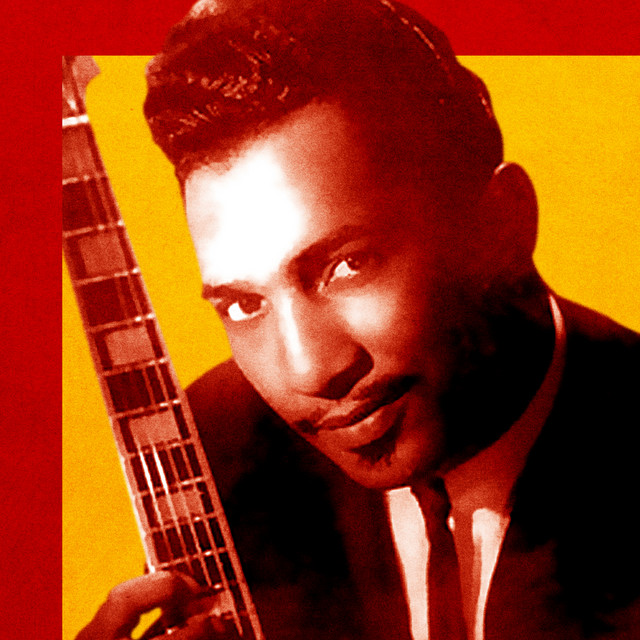
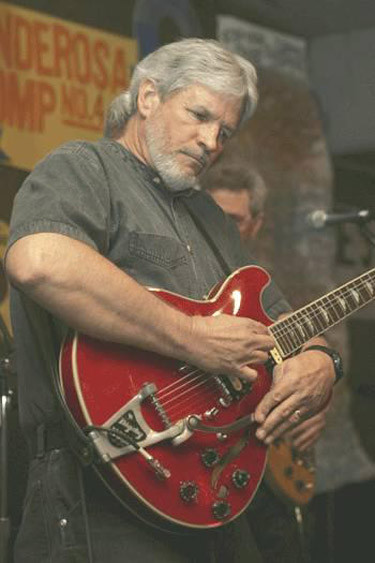
Guitarist, singer, and songwriter Bobby Parker was one of the most exciting performers in modern blues, and arguably should have inherited the top blues spots left open by the unfortunate early passings of players like <a href="spotify:artist:5aygfDCEaX5KTZOxSCpT9o">Albert King</a>, <a href="spotify:artist:6uB4Ax6mlzohDTLqLOJ6Vl">Johnny "Guitar" Watson</a>, and others. Parker could do it all: He wrote brilliant songs, he sang well, and he backed it all up with powerful, stinging guitar. The acclaim he received from fellow artists, critics, and fans was the result of years of hard work and struggle in the bars of Washington, D.C. and Virginia. Parker released two brilliant albums on the New Orleans' <a href="spotify:search:label%3A%22BlackTop%22">BlackTop</a> label (distributed by <a href="spotify:search:label%3A%22Rounder%22">Rounder</a>), Shine Me Up (1995) and Bent Out of Shape (1993).
He was born August 31, 1937 in Lafayette, Louisiana but raised in Southern California after his family moved to Los Angeles when he was six. Going to school in Hollywood, the young Parker was bitten by the scenery, and decided he wanted to be in show business. At the Million Dollar Theater, he saw big stage shows by <a href="spotify:artist:2jFZlvIea42ZvcCw4OeEdA">Count Basie</a>, <a href="spotify:artist:4F7Q5NV6h5TSwCainz8S5A">Duke Ellington</a>, <a href="spotify:artist:6htazaFMy8zs0f3sMtM2Pt">Billy Eckstine</a>, and <a href="spotify:artist:2PjgZkwAEk7UTin4jP6HLP">Lionel Hampton</a>. Although he had an early interest in jazz, the blues resonated with him when artists like <a href="spotify:artist:6nPKmEbQmR8jGZEm7ArOFX">T-Bone Walker</a>, <a href="spotify:artist:3VhvGNnWfzmlEyiuhzdgf5">Lowell Fulson</a>, <a href="spotify:artist:6uB4Ax6mlzohDTLqLOJ6Vl">Johnny "Guitar" Watson</a>, and <a href="spotify:artist:3OPJZtUlpoL3kZloBGY1lA">Pee Wee Crayton</a> came to town.
Parker began playing in the late '50s as a guitarist with Otis Williams & the Charms after winning a talent contest sponsored by West Coast blues and R&B legend <a href="spotify:artist:5PGt6fQNjLKhYYeGLWKWcM">Johnny Otis</a>. Later, he backed <a href="spotify:artist:2bmixwMZXlkl2sbIbOfviq">Bo Diddley</a>, and appeared with his band on The Ed Sullivan Show before joining the touring big band of Paul "Hucklebuck" Williams. He settled in Washington, D.C. in the '60s, dropping out of Williams' band and making a go of it on his own.
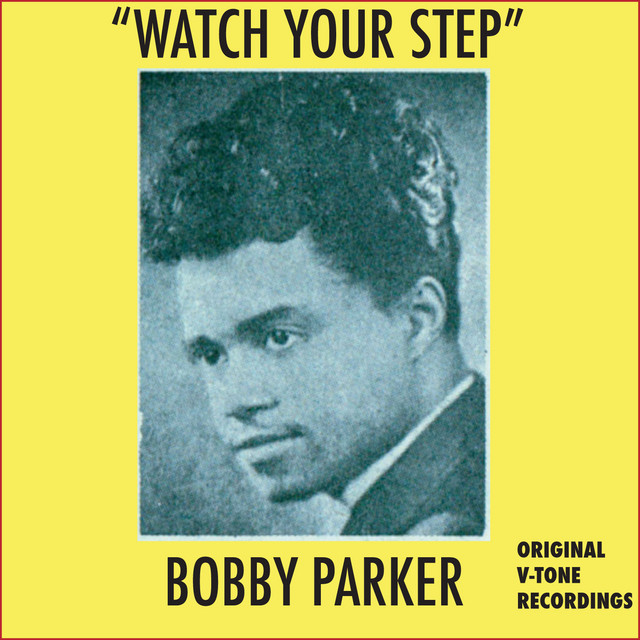
He was perhaps best known for his 1961 song "Watch Your Step," a single for the <a href="spotify:search:label%3A%22V-Tone%22">V-Tone</a> label that became a hit on British and U.S. R&B charts. Parker's song was later covered by several British blues bands, most prominent among them <a href="spotify:artist:3i9hP422d2KMjaupTzBNVS">the Spencer Davis Group</a>. And though he didn't become a name as familiar to blues fans as say, <a href="spotify:artist:6PAt558ZEZl0DmdXlnjMgD">Eric Clapton</a> or <a href="spotify:artist:5xLSa7l4IV1gsQfhAMvl0U">B.B. King</a>, he was been cited as a major musical influence by <a href="spotify:artist:0XoAXg2HRKXMpm5MS1BBRW">Davis</a>, <a href="spotify:artist:5s4z3mRAE7nxE3jjft8J3h">John Mayall</a>, <a href="spotify:artist:0MAvx5yzdhylg2ztJC3MD3">Robin Trower</a>, <a href="spotify:artist:6PAt558ZEZl0DmdXlnjMgD">Clapton</a>, <a href="spotify:artist:55bGuHb50r5c0PeqqMeNBV">Jimmy Page</a>, drummer <a href="spotify:artist:7bRRWmUqERkyOVSSU6MPFu">Mick Fleetwood</a>, <a href="spotify:artist:4x1nvY2FN8jxqAFA0DA02H">John Lennon</a>, and most importantly, <a href="spotify:artist:6GI52t8N5F02MxU0g5U69P">Carlos Santana</a>. Parker's style was described by his protégé <a href="spotify:artist:3Y4JqLgIAerhe2VXtVGhub">Bobby Radcliff</a> as <a href="spotify:artist:6fxCRWTrlk6wDMM4Gn421s">Guitar Slim</a>-meets-<a href="spotify:artist:7GaxyUddsPok8BuhxN6OUW">James Brown</a>, and that's not too far off the mark. In the summer of 1994, <a href="spotify:artist:6GI52t8N5F02MxU0g5U69P">Santana</a> was so happy about Parker's comeback on the <a href="spotify:search:label%3A%22BlackTop%22">BlackTop</a>/<a href="spotify:search:label%3A%22Rounder%22">Rounder</a> label that he took him on the road for some arena shows on the East and West Coasts.
"<a href="spotify:artist:7yGQgQiiKpg2k00JXf8hJk">Carlos</a> likes to tell people that he saw me playing in Mexico City when he was a kid, and that inspired him to pick up the guitar," Parker explained. <a href="spotify:artist:6GI52t8N5F02MxU0g5U69P">Santana</a> paid homage to Parker on his Havana Moon album, on which he covered "Watch Your Step." <a href="spotify:artist:25IRTisJjqI6JlkyCVMBsV">Dr. Feelgood</a> also covered the tune in the '70s.
Parker remained an important player on the blues circuit for years, and was a regular performer in the Washington, D.C. area and at blues festivals in both the U.S. and Canada. Unlike so many other blues musicians, Parker's live shows were comprised almost entirely of his own songs; he played very few covers.
"Unless the music of the day has some kind of substance to it, the blues always comes back," Parker said, adding, "I think <a href="spotify:artist:5fsDcuclIe8ZiBD5P787K1">Stevie Ray Vaughan</a> had a lot to do with bringing the blues to white audiences, and <a href="spotify:artist:1gdaEBrH99AfhsiQNbaSBp">Z.Z. Hill</a> helped bring the Black audience back to the blues." Bobby Parker died of a heart attack on October 31, 2013; he was 76 years old. ~ Richard Skelly, Rovi
He was born August 31, 1937 in Lafayette, Louisiana but raised in Southern California after his family moved to Los Angeles when he was six. Going to school in Hollywood, the young Parker was bitten by the scenery, and decided he wanted to be in show business. At the Million Dollar Theater, he saw big stage shows by <a href="spotify:artist:2jFZlvIea42ZvcCw4OeEdA">Count Basie</a>, <a href="spotify:artist:4F7Q5NV6h5TSwCainz8S5A">Duke Ellington</a>, <a href="spotify:artist:6htazaFMy8zs0f3sMtM2Pt">Billy Eckstine</a>, and <a href="spotify:artist:2PjgZkwAEk7UTin4jP6HLP">Lionel Hampton</a>. Although he had an early interest in jazz, the blues resonated with him when artists like <a href="spotify:artist:6nPKmEbQmR8jGZEm7ArOFX">T-Bone Walker</a>, <a href="spotify:artist:3VhvGNnWfzmlEyiuhzdgf5">Lowell Fulson</a>, <a href="spotify:artist:6uB4Ax6mlzohDTLqLOJ6Vl">Johnny "Guitar" Watson</a>, and <a href="spotify:artist:3OPJZtUlpoL3kZloBGY1lA">Pee Wee Crayton</a> came to town.
Parker began playing in the late '50s as a guitarist with Otis Williams & the Charms after winning a talent contest sponsored by West Coast blues and R&B legend <a href="spotify:artist:5PGt6fQNjLKhYYeGLWKWcM">Johnny Otis</a>. Later, he backed <a href="spotify:artist:2bmixwMZXlkl2sbIbOfviq">Bo Diddley</a>, and appeared with his band on The Ed Sullivan Show before joining the touring big band of Paul "Hucklebuck" Williams. He settled in Washington, D.C. in the '60s, dropping out of Williams' band and making a go of it on his own.
He was perhaps best known for his 1961 song "Watch Your Step," a single for the <a href="spotify:search:label%3A%22V-Tone%22">V-Tone</a> label that became a hit on British and U.S. R&B charts. Parker's song was later covered by several British blues bands, most prominent among them <a href="spotify:artist:3i9hP422d2KMjaupTzBNVS">the Spencer Davis Group</a>. And though he didn't become a name as familiar to blues fans as say, <a href="spotify:artist:6PAt558ZEZl0DmdXlnjMgD">Eric Clapton</a> or <a href="spotify:artist:5xLSa7l4IV1gsQfhAMvl0U">B.B. King</a>, he was been cited as a major musical influence by <a href="spotify:artist:0XoAXg2HRKXMpm5MS1BBRW">Davis</a>, <a href="spotify:artist:5s4z3mRAE7nxE3jjft8J3h">John Mayall</a>, <a href="spotify:artist:0MAvx5yzdhylg2ztJC3MD3">Robin Trower</a>, <a href="spotify:artist:6PAt558ZEZl0DmdXlnjMgD">Clapton</a>, <a href="spotify:artist:55bGuHb50r5c0PeqqMeNBV">Jimmy Page</a>, drummer <a href="spotify:artist:7bRRWmUqERkyOVSSU6MPFu">Mick Fleetwood</a>, <a href="spotify:artist:4x1nvY2FN8jxqAFA0DA02H">John Lennon</a>, and most importantly, <a href="spotify:artist:6GI52t8N5F02MxU0g5U69P">Carlos Santana</a>. Parker's style was described by his protégé <a href="spotify:artist:3Y4JqLgIAerhe2VXtVGhub">Bobby Radcliff</a> as <a href="spotify:artist:6fxCRWTrlk6wDMM4Gn421s">Guitar Slim</a>-meets-<a href="spotify:artist:7GaxyUddsPok8BuhxN6OUW">James Brown</a>, and that's not too far off the mark. In the summer of 1994, <a href="spotify:artist:6GI52t8N5F02MxU0g5U69P">Santana</a> was so happy about Parker's comeback on the <a href="spotify:search:label%3A%22BlackTop%22">BlackTop</a>/<a href="spotify:search:label%3A%22Rounder%22">Rounder</a> label that he took him on the road for some arena shows on the East and West Coasts.
"<a href="spotify:artist:7yGQgQiiKpg2k00JXf8hJk">Carlos</a> likes to tell people that he saw me playing in Mexico City when he was a kid, and that inspired him to pick up the guitar," Parker explained. <a href="spotify:artist:6GI52t8N5F02MxU0g5U69P">Santana</a> paid homage to Parker on his Havana Moon album, on which he covered "Watch Your Step." <a href="spotify:artist:25IRTisJjqI6JlkyCVMBsV">Dr. Feelgood</a> also covered the tune in the '70s.
Parker remained an important player on the blues circuit for years, and was a regular performer in the Washington, D.C. area and at blues festivals in both the U.S. and Canada. Unlike so many other blues musicians, Parker's live shows were comprised almost entirely of his own songs; he played very few covers.
"Unless the music of the day has some kind of substance to it, the blues always comes back," Parker said, adding, "I think <a href="spotify:artist:5fsDcuclIe8ZiBD5P787K1">Stevie Ray Vaughan</a> had a lot to do with bringing the blues to white audiences, and <a href="spotify:artist:1gdaEBrH99AfhsiQNbaSBp">Z.Z. Hill</a> helped bring the Black audience back to the blues." Bobby Parker died of a heart attack on October 31, 2013; he was 76 years old. ~ Richard Skelly, Rovi
Monthly Listeners
4,336
Monthly Listeners History
Track the evolution of monthly listeners over the last 28 days.
Followers
2,083
Followers History
Track the evolution of followers over the last 28 days.
Top Cities
177 listeners

85 listeners
73 listeners
62 listeners
62 listeners
Related Artists

BO DIDDLEY
The Bobby Peterson Quintet