Data may be outdated
Last updated: 7 months ago — Click refresh to get the latest statistics.
Few 1950s rock & roll tunesmiths were as prolifically talented as Otis Blackwell. His immortal compositions include <a href="spotify:artist:3mOiEPe870jJrahcf2TPYZ">Little Willie John</a>'s "Fever," <a href="spotify:artist:43ZHCT0cAZBISjO8DG9PnE">Elvis Presley</a>'s "Don't Be Cruel" and "All Shook Up," <a href="spotify:artist:2zyz0VJqrDXeFDIyrfVXSo">Jerry Lee Lewis</a>' "Great Balls of Fire" and "Breathless," and <a href="spotify:artist:7ydcRbgt0yM9etADb1Ackp">Jimmy Jones</a>' "Handy Man" (just for starters).
Though he often collaborated with various partners on the thriving '50s New York R&B scene (Winfield Scott, Eddie Cooley, and <a href="spotify:artist:7hEzN2btrREEsBbqEF1l9b">Jack Hammer</a>, to name three), Blackwell's songwriting style is as identifiable as that of <a href="spotify:artist:5v8WPpMk60cqZbuZLdXjKY">Willie Dixon</a> or <a href="spotify:artist:3oL5CpaC5cBSVmERMXuV7d">Jerry Leiber</a> & <a href="spotify:artist:1wsgQOJMWtqd2GF0sGSRUm">Mike Stoller</a>. He helped formulate the musical vocabulary of rock & roll when the genre was barely breathing on its own.
Befitting a true innovator, Blackwell's early influences were a tad out of the ordinary. As a lad growing up in Brooklyn, he dug the Westerns that his favorite nearby cinema screened. At that point, <a href="spotify:artist:0m7gTbaLi5fM22MiRaRf7G">Tex Ritter</a> was Otis Blackwell's main man. Smooth blues singers <a href="spotify:artist:21uawITknPcgjwdJuvpcGE">Chuck Willis</a> and <a href="spotify:artist:1UedlcCVqk3Zjq2UQocScS">Larry Darnell</a> also made an impression. By 1952, Blackwell parlayed a victory at an Apollo Theater talent show into a recording deal with veteran producer Joe Davis for RCA, switching to Davis' own Jay-Dee logo the next year. He was fairly prolific at Jay-Dee, enjoying success with the throbbing "Daddy Rollin' Stone" (later covered by <a href="spotify:artist:67ea9eGLXYMsO2eYQRui3w">the Who</a>). From 1955 on, though, Blackwell concentrated primarily on songwriting (Atlantic, Date, Cub, and MGM later issued scattered Blackwell singles).
"Fever," co-written by Cooley, was Blackwell's first winner (he used the pen name of John Davenport, since he was still contractually obligated to Jay-Dee). Blackwell never met <a href="spotify:artist:43ZHCT0cAZBISjO8DG9PnE">Elvis</a> in person, but his material traveled a direct pipeline to the rock icon; "Return to Sender," "One Broken Heart for Sale," and "Easy Question" also came from his pen. <a href="spotify:artist:6PyZY3e7wgYgRdegqvqhSo">Dee Clark</a> ("Just Keep It Up" and "Hey Little Girl"), <a href="spotify:artist:61VpPyyJn2bitby8tbafzT">Thurston Harris</a>, <a href="spotify:artist:4dUwbgj6jgmsBTRxVuCLEP">Wade Flemons</a>, <a href="spotify:artist:4WL6MC4jDW7w7K9hfc4MVS">Clyde McPhatter</a>, <a href="spotify:artist:2ttm3uT0N1RN7vwKv1pQgh">Brook Benton</a>, <a href="spotify:artist:3plJVWt88EqjvtuB4ZDRV3">Ben E. King</a>, <a href="spotify:artist:1FqqOl9itIUpXr4jZPIVoT">the Drifters</a>, <a href="spotify:artist:0EodhzA6yW1bIdD5B4tcmJ">Bobby Darin</a>, <a href="spotify:artist:0j4ZVeMLH38uXEup39Hjvb">Ral Donner</a>, <a href="spotify:artist:5VAHm7V5mnsxvQrWw3KHmx">Gene Vincent</a>, and plenty more of rock's primordial royalty benefited from Blackwell's compositional largesse before the British Invasion forever altered the Brill Building scene.
In 1976, Blackwell returned to recording with a Herb Abramson-produced set for Inner City comprised of his own renditions of the songs that made him famous. A 1991 stroke paralyzed the legendary song scribe, but his influence remained so enduring that it inspired Brace Yourself!, an all-star 1994 tribute album that included contributions by <a href="spotify:artist:65Gh3BfK84aTIugiRCgLBA">Dave Edmunds</a>, <a href="spotify:artist:388Y4nUQbYSyonhNlBEypT">Joe Ely</a>, <a href="spotify:artist:7FxMjqH6DH056sdsstGeVl">Deborah Harry</a>, <a href="spotify:artist:2ozLlEZTdSV3pjHgWwZMsi">Chrissie Hynde</a>, <a href="spotify:artist:0vYQRW5LIDeYQOccTviQNX">Kris Kristofferson</a>, <a href="spotify:artist:6c8INA1EQQe9TkukfEdiCA">Graham Parker</a>, and bluesman <a href="spotify:artist:5MPJKwuEzyWgfueKrogllD">Joe Louis Walker</a>. He died on May 6, 2002 in his Nashville home. ~ Bill Dahl, Rovi
Though he often collaborated with various partners on the thriving '50s New York R&B scene (Winfield Scott, Eddie Cooley, and <a href="spotify:artist:7hEzN2btrREEsBbqEF1l9b">Jack Hammer</a>, to name three), Blackwell's songwriting style is as identifiable as that of <a href="spotify:artist:5v8WPpMk60cqZbuZLdXjKY">Willie Dixon</a> or <a href="spotify:artist:3oL5CpaC5cBSVmERMXuV7d">Jerry Leiber</a> & <a href="spotify:artist:1wsgQOJMWtqd2GF0sGSRUm">Mike Stoller</a>. He helped formulate the musical vocabulary of rock & roll when the genre was barely breathing on its own.
Befitting a true innovator, Blackwell's early influences were a tad out of the ordinary. As a lad growing up in Brooklyn, he dug the Westerns that his favorite nearby cinema screened. At that point, <a href="spotify:artist:0m7gTbaLi5fM22MiRaRf7G">Tex Ritter</a> was Otis Blackwell's main man. Smooth blues singers <a href="spotify:artist:21uawITknPcgjwdJuvpcGE">Chuck Willis</a> and <a href="spotify:artist:1UedlcCVqk3Zjq2UQocScS">Larry Darnell</a> also made an impression. By 1952, Blackwell parlayed a victory at an Apollo Theater talent show into a recording deal with veteran producer Joe Davis for RCA, switching to Davis' own Jay-Dee logo the next year. He was fairly prolific at Jay-Dee, enjoying success with the throbbing "Daddy Rollin' Stone" (later covered by <a href="spotify:artist:67ea9eGLXYMsO2eYQRui3w">the Who</a>). From 1955 on, though, Blackwell concentrated primarily on songwriting (Atlantic, Date, Cub, and MGM later issued scattered Blackwell singles).
"Fever," co-written by Cooley, was Blackwell's first winner (he used the pen name of John Davenport, since he was still contractually obligated to Jay-Dee). Blackwell never met <a href="spotify:artist:43ZHCT0cAZBISjO8DG9PnE">Elvis</a> in person, but his material traveled a direct pipeline to the rock icon; "Return to Sender," "One Broken Heart for Sale," and "Easy Question" also came from his pen. <a href="spotify:artist:6PyZY3e7wgYgRdegqvqhSo">Dee Clark</a> ("Just Keep It Up" and "Hey Little Girl"), <a href="spotify:artist:61VpPyyJn2bitby8tbafzT">Thurston Harris</a>, <a href="spotify:artist:4dUwbgj6jgmsBTRxVuCLEP">Wade Flemons</a>, <a href="spotify:artist:4WL6MC4jDW7w7K9hfc4MVS">Clyde McPhatter</a>, <a href="spotify:artist:2ttm3uT0N1RN7vwKv1pQgh">Brook Benton</a>, <a href="spotify:artist:3plJVWt88EqjvtuB4ZDRV3">Ben E. King</a>, <a href="spotify:artist:1FqqOl9itIUpXr4jZPIVoT">the Drifters</a>, <a href="spotify:artist:0EodhzA6yW1bIdD5B4tcmJ">Bobby Darin</a>, <a href="spotify:artist:0j4ZVeMLH38uXEup39Hjvb">Ral Donner</a>, <a href="spotify:artist:5VAHm7V5mnsxvQrWw3KHmx">Gene Vincent</a>, and plenty more of rock's primordial royalty benefited from Blackwell's compositional largesse before the British Invasion forever altered the Brill Building scene.
In 1976, Blackwell returned to recording with a Herb Abramson-produced set for Inner City comprised of his own renditions of the songs that made him famous. A 1991 stroke paralyzed the legendary song scribe, but his influence remained so enduring that it inspired Brace Yourself!, an all-star 1994 tribute album that included contributions by <a href="spotify:artist:65Gh3BfK84aTIugiRCgLBA">Dave Edmunds</a>, <a href="spotify:artist:388Y4nUQbYSyonhNlBEypT">Joe Ely</a>, <a href="spotify:artist:7FxMjqH6DH056sdsstGeVl">Deborah Harry</a>, <a href="spotify:artist:2ozLlEZTdSV3pjHgWwZMsi">Chrissie Hynde</a>, <a href="spotify:artist:0vYQRW5LIDeYQOccTviQNX">Kris Kristofferson</a>, <a href="spotify:artist:6c8INA1EQQe9TkukfEdiCA">Graham Parker</a>, and bluesman <a href="spotify:artist:5MPJKwuEzyWgfueKrogllD">Joe Louis Walker</a>. He died on May 6, 2002 in his Nashville home. ~ Bill Dahl, Rovi
Monthly Listeners
5,039
Monthly Listeners History
Track the evolution of monthly listeners over the last 28 days.
Followers
5,373
Followers History
Track the evolution of followers over the last 28 days.
Top Cities
122 listeners

114 listeners

98 listeners

87 listeners
71 listeners

Related Artists

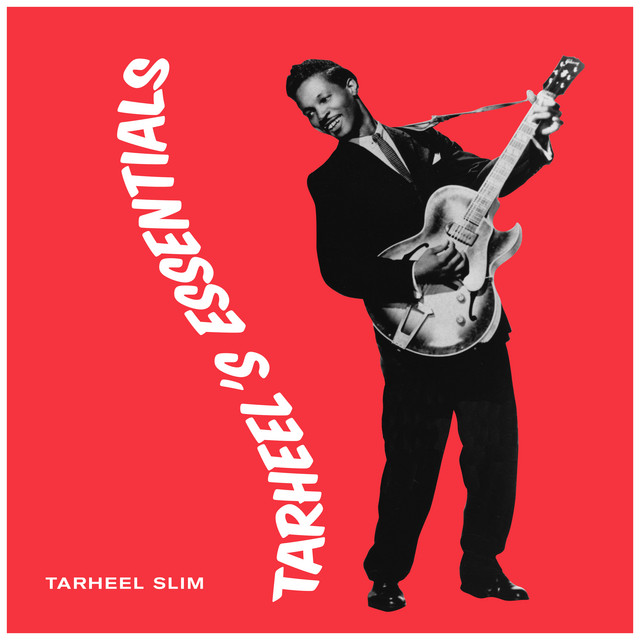

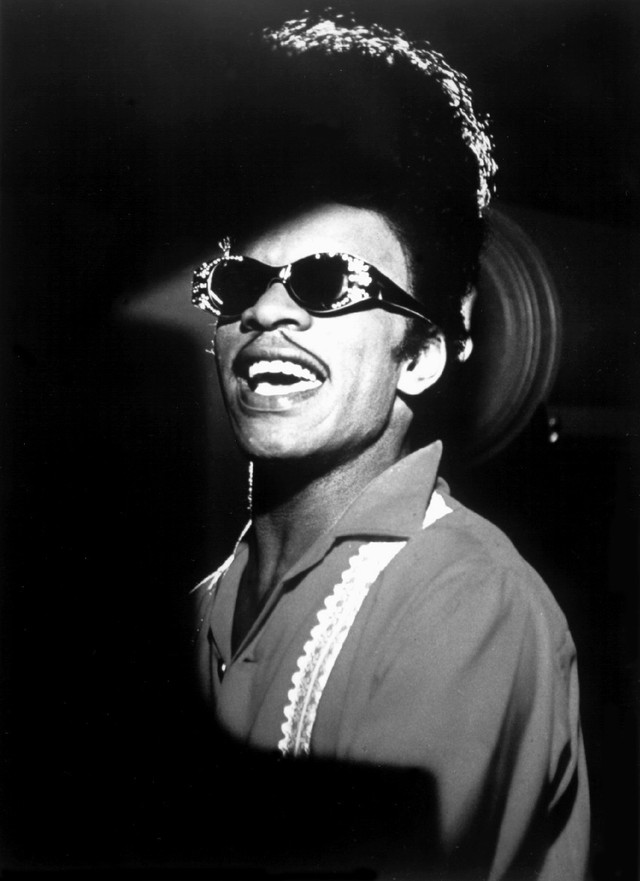
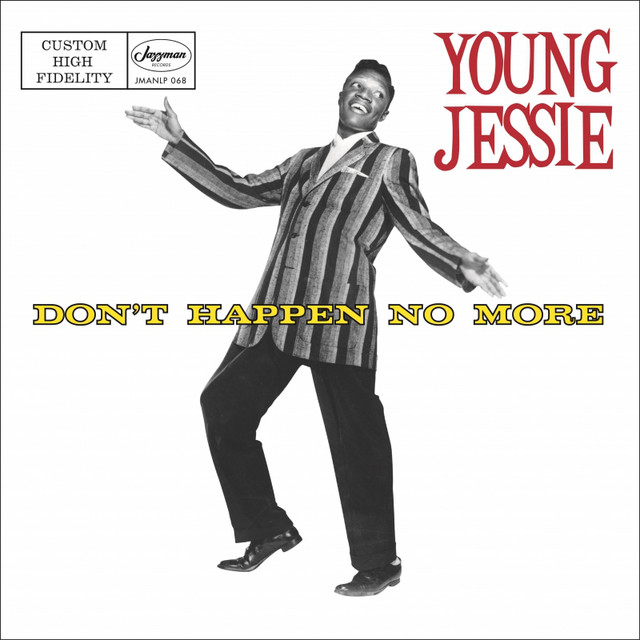
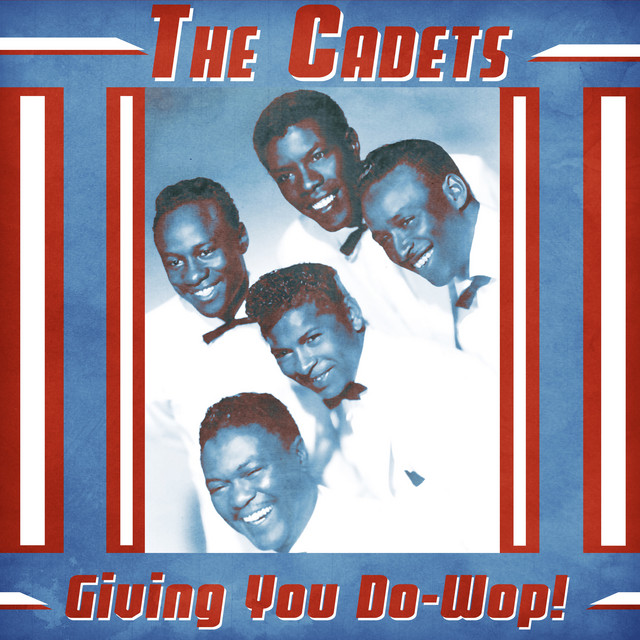
The Cadets
Arthur Gunter



Screamin' Jay Hawkins

Chan Romero