Data may be outdated
Last updated: 9 months ago — Click refresh to get the latest statistics.
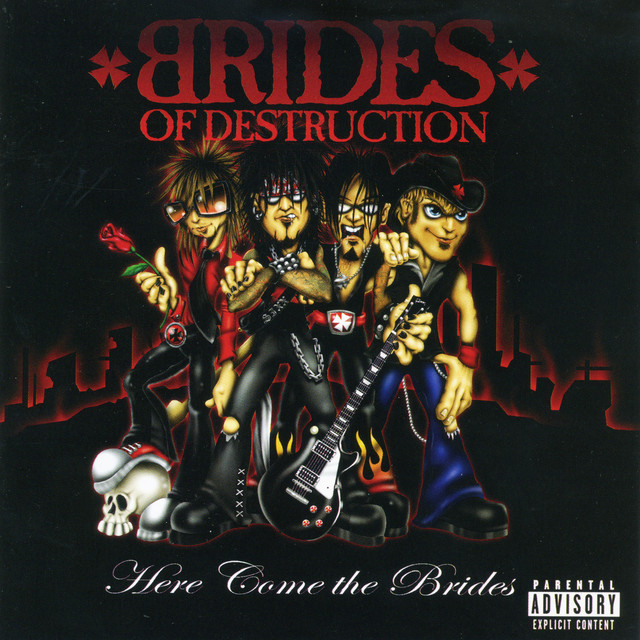
Brides of Destruction originally started around 2002, when rock veterans <a href="spotify:artist:7tXN8aCOy3B73hpoazxlNO">Tracii Guns</a> and <a href="spotify:artist:39K8vRrNVg2aPafD0kRuhe">Nikki Sixx</a> joined forces with <a href="spotify:artist:3n4ersmDo55xV4fPSCKpXb">Adema</a> drummer <a href="spotify:artist:2cxjnVO5azN9r5btfOPu9G">Kris Kohls</a>, keyboardist Adam Hamilton, and unknown Los Angeles vocalist London LeGrand in a project called 'Cockstar'. Hamilton quickly left, and was replaced by utility rhythm guitarist <a href="spotify:artist:0danyQ9A5BKBm1YozPJhoy">John Corabi</a>, who'd served a brief '90s tour of duty as <a href="spotify:artist:0cc6vw3VN8YlIcvr1v7tBL">Mötley Crüe</a>'s shouter. The band was then rechristened Brides of Destruction, and some initial demos were recorded. However, by early 2003, both <a href="spotify:artist:0danyQ9A5BKBm1YozPJhoy">Corabi</a> and <a href="spotify:artist:2cxjnVO5azN9r5btfOPu9G">Kohls</a> had departed. A reconfigured lineup of vocalist LeGrand, sole guitarist <a href="spotify:artist:7tXN8aCOy3B73hpoazxlNO">Guns</a>, bassist <a href="spotify:artist:39K8vRrNVg2aPafD0kRuhe">Sixx</a>, and session drummer Scott Coogan were on hiatus for much of early '03, stymied by side gigs and the fluid nature of the project itself, but by that summer they were back in the studio and entertaining label interest. They eventually signed with Sanctuary, which issued Here Come the Brides' straightforward mix of hard rock and post-grunge in Japan that December. The label set a U.S. street date for early March '04, and the Brides announced plans to tour that summer. Their follow-up, Runaway Brides, was released in 2005 on the Shrapnel label. ~ Johnny Loftus
Monthly Listeners
3,995
Monthly Listeners History
Track the evolution of monthly listeners over the last 28 days.
Followers
17,761
Followers History
Track the evolution of followers over the last 28 days.
Top Cities
62 listeners

62 listeners

53 listeners

52 listeners

50 listeners
Related Artists
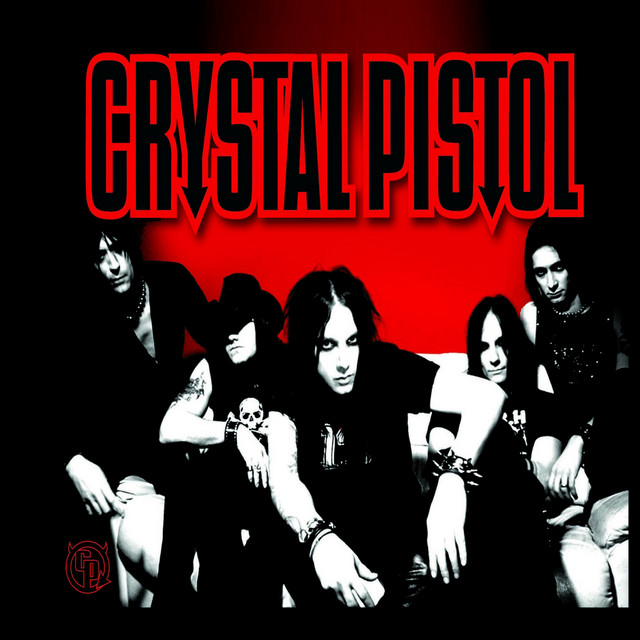
Crystal Pistol


Adler

Adler's Appetite

Gunfire 76



Circus Of Power


Sven Gali
Salty Dog
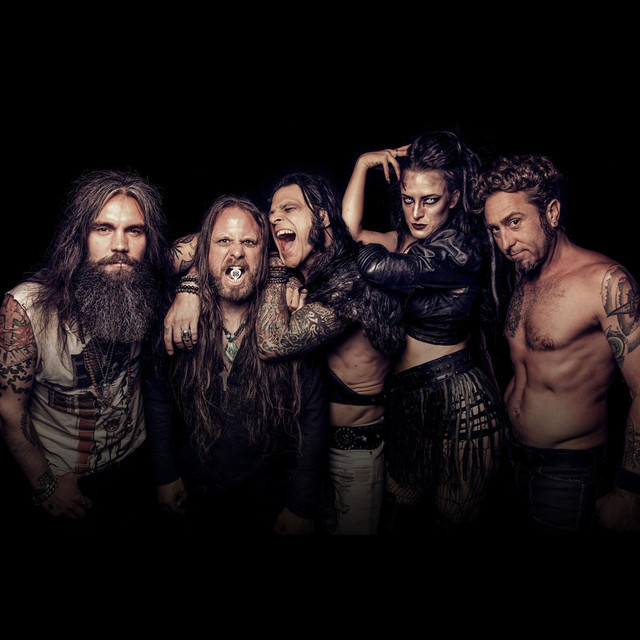
Beasto Blanco

Chris Holmes

Löve Razër
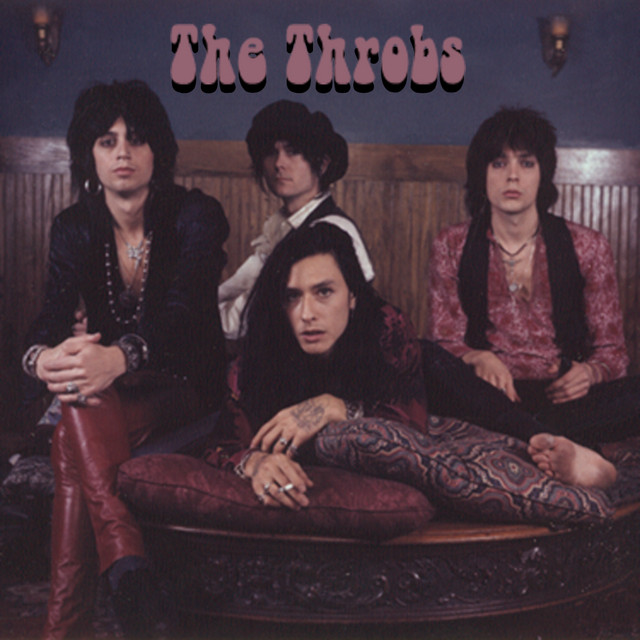
The Throbs

Zan Clan

Law and Order