Genre
glam metal
Top Glam metal Artists
Showing 25 of 894 artists






About Glam metal
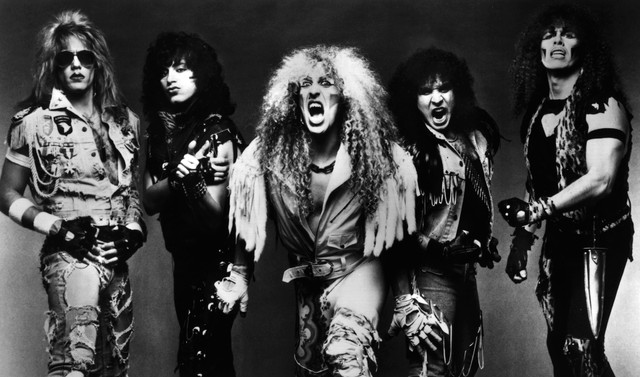
Glam metal, sometimes called hair metal, is a late-20th-century fusion of hard rock’s swagger with the glittering theatrics of glam rock. It arrived in the early 1980s on the Sunset Strip of Los Angeles, where clubs like the Roxy and the Whisky a Go Go became launchpads for an aesthetic built around big hair, makeup, spandex, acid-orange guitars, and larger-than-life stage shows. Musically, it married heavy guitar riffs and pounding drums with pop-friendly hooks, melodic choruses, and a sense of glam spectacle that valued image as much as sound.
The genre coalesced as bands sought to combine metal’s power with the party spirit and fashion-forward attitude of glam. They drew from late-70s glam rock as well as MTV-era hard rock, packaging rebellion in glossy, accessible forms. The press coined “glam metal” to distinguish it from darker, thrash-inflected metal and from pop rock, while fans embraced a culture of spectacle—pyrotechnics, antennae-high hair, sequins, and big stage productions.
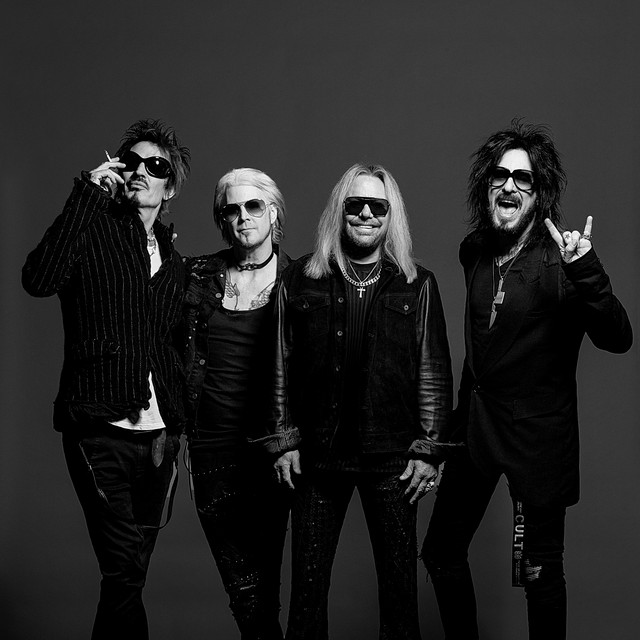
A landmark moment in the history of glam metal came when Quiet Riot’s Metal Health (1983) climbed to number one on the Billboard chart, helping bring metal into the mainstream. Soon after, Mötley Crüe released Shout at the Devil (1983) and Dr. Feelgood (1989), bands that would become archetypes of the sound and attitude: swaggering riffs, shout-along choruses, and a lifestyle whispered about in tabloids as much as sung about in choruses. Ratt, Poison, Cinderella, and W.A.S.P. followed with multi-platinum albums that fed the movement’s popularity. Def Leppard’s Pyromania (1983) and Hysteria (1987) — while British—also influenced the look and production sensibilities of glam metal, especially its anthemic hooks and glossy guitar textures. Bon Jovi’s arena-ready anthems further broadened the appeal of the sound beyond purists.
Lyrically, glam metal often traversed themes of romance, rebellion, heartbreak, and bravado, delivered through soaring melodies and harmonized guitar lines. The guitar work — melodic solos layered with double-track harmonies — became a defining hallmark, complemented by flashy visuals, oversized hair, makeup, and an ethos of living fast and loud. Non-American acts helped sustain the global footprint; in Japan, Europe, and Australia, postered photos, and videos fed an enduring appetite for the style.
From a subculture vantage, glam metal fostered a distinctive visual language—big hair, makeup, leather, and stage pyrotechnics—while delivering catchy, chorus-driven anthems. The emphasis on image did not erase craft: melodic hooks, harmonized guitar lines, and energetic solos defined the sound. Its reach extended beyond the United States; Japan and Europe embraced the spectacle, keeping tours and videos circulating as tastes shifted in the 1990s globally.
By the early 1990s, changing tastes—grunge and alternative rock in the foreground—eroded glam metal’s dominance. Yet the legacy remains visible: a lineage of fearless showmanship, a catalog of radio-ready anthems, and an ongoing reevaluation of why spectacle and heaviness can harmonize in one loud, glittering package. For enthusiasts, glam metal offers a snapshot of a moment when rock stars believed in both the power of the riff and the power of the image, and refused to choose one over the other.
The genre coalesced as bands sought to combine metal’s power with the party spirit and fashion-forward attitude of glam. They drew from late-70s glam rock as well as MTV-era hard rock, packaging rebellion in glossy, accessible forms. The press coined “glam metal” to distinguish it from darker, thrash-inflected metal and from pop rock, while fans embraced a culture of spectacle—pyrotechnics, antennae-high hair, sequins, and big stage productions.
A landmark moment in the history of glam metal came when Quiet Riot’s Metal Health (1983) climbed to number one on the Billboard chart, helping bring metal into the mainstream. Soon after, Mötley Crüe released Shout at the Devil (1983) and Dr. Feelgood (1989), bands that would become archetypes of the sound and attitude: swaggering riffs, shout-along choruses, and a lifestyle whispered about in tabloids as much as sung about in choruses. Ratt, Poison, Cinderella, and W.A.S.P. followed with multi-platinum albums that fed the movement’s popularity. Def Leppard’s Pyromania (1983) and Hysteria (1987) — while British—also influenced the look and production sensibilities of glam metal, especially its anthemic hooks and glossy guitar textures. Bon Jovi’s arena-ready anthems further broadened the appeal of the sound beyond purists.
Lyrically, glam metal often traversed themes of romance, rebellion, heartbreak, and bravado, delivered through soaring melodies and harmonized guitar lines. The guitar work — melodic solos layered with double-track harmonies — became a defining hallmark, complemented by flashy visuals, oversized hair, makeup, and an ethos of living fast and loud. Non-American acts helped sustain the global footprint; in Japan, Europe, and Australia, postered photos, and videos fed an enduring appetite for the style.
From a subculture vantage, glam metal fostered a distinctive visual language—big hair, makeup, leather, and stage pyrotechnics—while delivering catchy, chorus-driven anthems. The emphasis on image did not erase craft: melodic hooks, harmonized guitar lines, and energetic solos defined the sound. Its reach extended beyond the United States; Japan and Europe embraced the spectacle, keeping tours and videos circulating as tastes shifted in the 1990s globally.
By the early 1990s, changing tastes—grunge and alternative rock in the foreground—eroded glam metal’s dominance. Yet the legacy remains visible: a lineage of fearless showmanship, a catalog of radio-ready anthems, and an ongoing reevaluation of why spectacle and heaviness can harmonize in one loud, glittering package. For enthusiasts, glam metal offers a snapshot of a moment when rock stars believed in both the power of the riff and the power of the image, and refused to choose one over the other.