Data may be outdated
Last updated: 9 months ago — Click refresh to get the latest statistics.
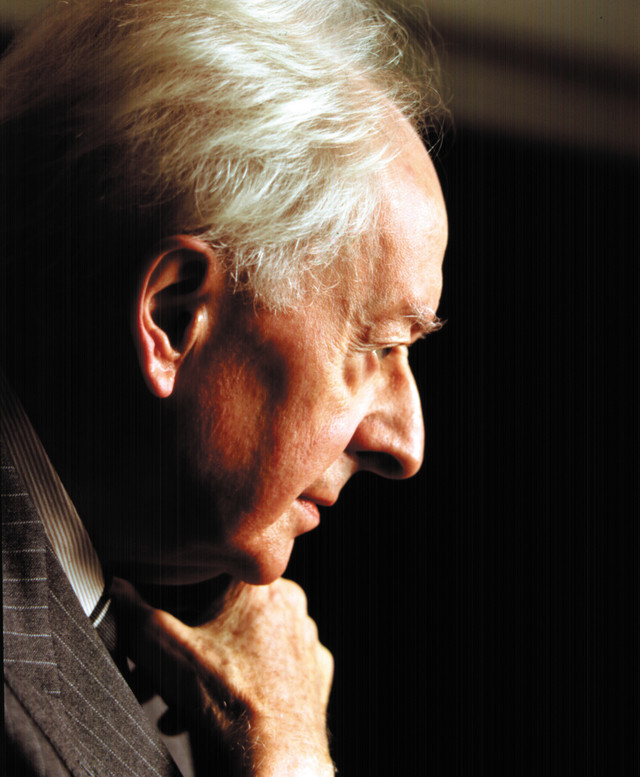
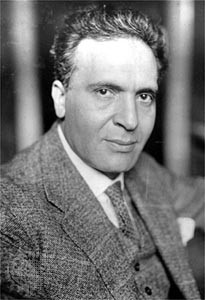
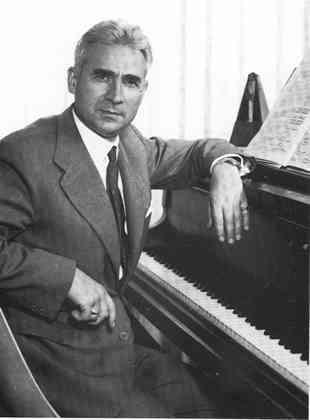
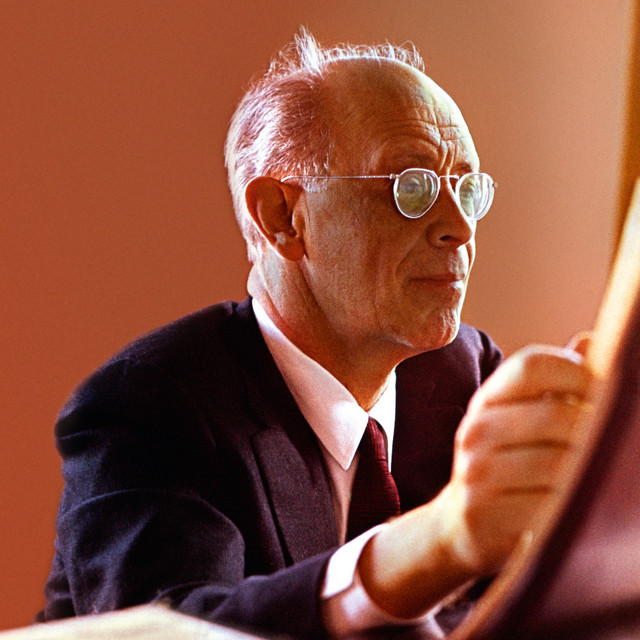
Bruno Walter was one of the great German conductors of the 20th century, and a respected <a href="spotify:artist:2ANtgfhQkKpsW6EYSDqldz">Mahler</a> interpreter. He was also an accomplished pianist, a prolific recording artist, and a composer during the first half of his life. He was born in 1876 to a Jewish family in Berlin. He was interested in music from a young age, and he began attending the Stern Conservatory in Berlin when he was eight years old. There he studied piano with Heinrich Ehrlich, music theory with Ludwig Bussler, and composition with Robert Radecke. At nine, he made his public debut as a pianist. He was inspired to conduct in 1889, after he saw a performance of the famous conductor <a href="spotify:artist:1FBER7ufQj5dCXxUgyKplP">Hans von Bülow</a> with the <a href="spotify:artist:6uRJnvQ3f8whVnmeoecv5Z">Berlin Philharmonic</a>. Walter found employment as a vocal coach with the Cologne Opera shortly afterward, and he made his conducting debut there in 1894. He left a short while later to accept an appointment at the Hamburg Opera as chorus director and assistant to <a href="spotify:artist:2ANtgfhQkKpsW6EYSDqldz">Gustav Mahler</a>. Walter’s time with <a href="spotify:artist:2ANtgfhQkKpsW6EYSDqldz">Mahler</a> had a great impact on his ideals and conducting style. After that position came to an end in 1896, <a href="spotify:artist:2ANtgfhQkKpsW6EYSDqldz">Mahler</a> helped him find employment at the Stadttheater in Bresleau as the second conductor. From 1898 to 1900 he conducted in Riga, Latvia, followed by a longer contract to conduct the Royal Opera of Berlin for five years. He left Berlin in 1901 to work with <a href="spotify:artist:2ANtgfhQkKpsW6EYSDqldz">Mahler</a> a second time at the Vienna Court Opera. Walter conducted his own Symphony No. 1 in Vienna in 1909, and his reputation grew exponentially in 1910 after a very popular series of performances in Prague, Rome, and at Covent Garden. It was around this time that he decided that he had more to offer as a conductor than as a composer and he stopped composing. After <a href="spotify:artist:2ANtgfhQkKpsW6EYSDqldz">Mahler</a> passed away in 1911, premieres of his Das Lied von der Erde, and Symphony No. 9 were both conducted by Walter, as requested by <a href="spotify:artist:2ANtgfhQkKpsW6EYSDqldz">Mahler</a>’s widow. He lived in Munich from 1913 to 1922, where he was appointed the Royal Bavarian Music Director, and director of the <a href="spotify:artist:6DkBv1f9Ja2B0v2FU3I9Bh">Bavarian State Opera</a>. He made his United States debut in 1923 with the New York Symphony Orchestra, and from 1924 until World War I he was active in Berlin, Paris, and London. In the 1930s Walter performed and recorded both as an accompanist to <a href="spotify:artist:1TAHuD0RCuYhAzN7ExM3i7">Lotte Lehmann</a>, and as the conductor with the <a href="spotify:artist:003f4bk13c6Q3gAUXv7dGJ">Vienna Philharmonic</a>. He moved permanently to Beverly Hills after the onset of World War II in 1939, and he based his career in the United States from then on. During this time, he worked with the <a href="spotify:artist:6yeL5iw4hXNZtd8T7FOoFU">Los Angeles Philharmonic</a>, the <a href="spotify:artist:5YLOp0Sy5xupNvy9NiopC2">Minneapolis Symphony</a>, and the major ensembles of New York, such as the <a href="spotify:artist:3gacryguGmpmCvgPGt2CBI">New York Philharmonic</a>, the <a href="spotify:artist:7JiZysLPLBijVnS9uWX312">NBC Symphony</a>, and the <a href="spotify:artist:14AbeD1op5phNiIVzzRVWr">Metropolitan Opera</a>. When the war ended, he resumed working with European orchestras through the late '40s and early '50s. His recording of <a href="spotify:artist:2ANtgfhQkKpsW6EYSDqldz">Mahler</a>’s Das Lied von der Erde with the <a href="spotify:artist:003f4bk13c6Q3gAUXv7dGJ">Vienna Philharmonic</a> from 1952 was especially successful, and his records with the <a href="spotify:artist:3gacryguGmpmCvgPGt2CBI">New York Philharmonic</a> from this period were also highly acclaimed. After suffering a heart attack in 1957, he was forced to reduce his pace as a traveling guest conductor. In his final years he recorded the works of <a href="spotify:artist:4NJhFmfw43RLBLjQvxDuRS">Mozart</a>, <a href="spotify:artist:5wTAi7QkpP6kp8a54lmTOq">Brahms</a>, and Beethoven with the <a href="spotify:artist:1iNPygduJOu0JnzasoDVLE">Colombia Symphony Orchestra</a> with a gentler and more mature approach than in his earlier recordings. Walter died from a heart attack at his home in Beverly Hills in 1962. ~ RJ Lambert, Rovi
Monthly Listeners
14,866
Monthly Listeners History
Track the evolution of monthly listeners over the last 28 days.
Followers
13,221
Followers History
Track the evolution of followers over the last 28 days.
Top Cities
253 listeners

243 listeners

166 listeners

153 listeners
146 listeners

Related Artists

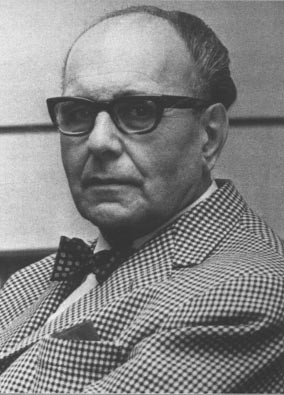
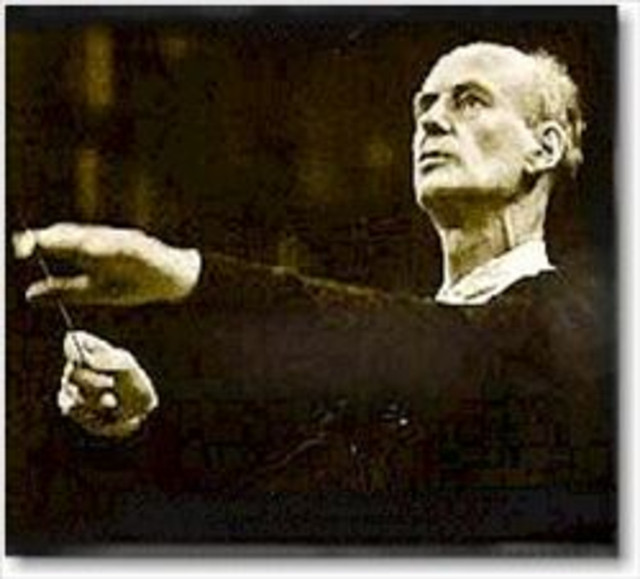
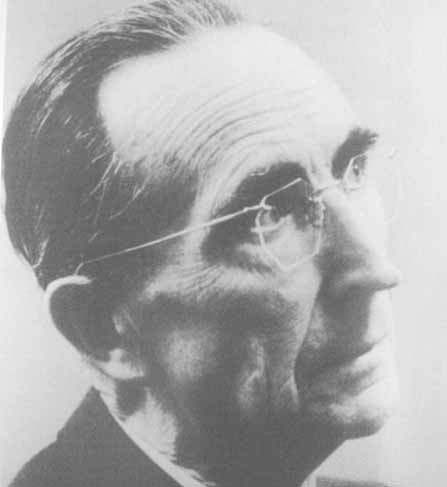








Horst Stein



John Page