Data may be outdated
Last updated: 1 month ago — Click refresh to get the latest statistics.
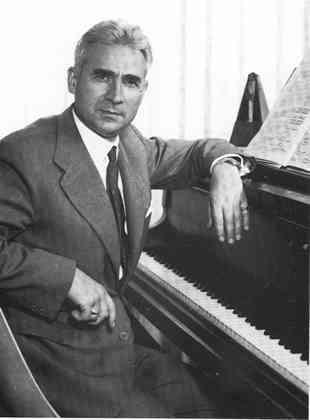
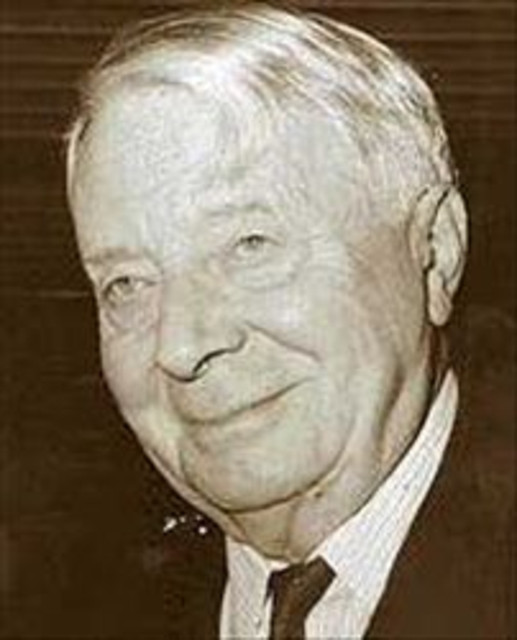
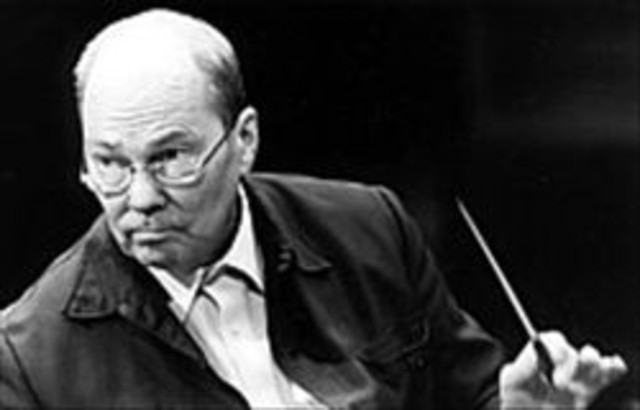
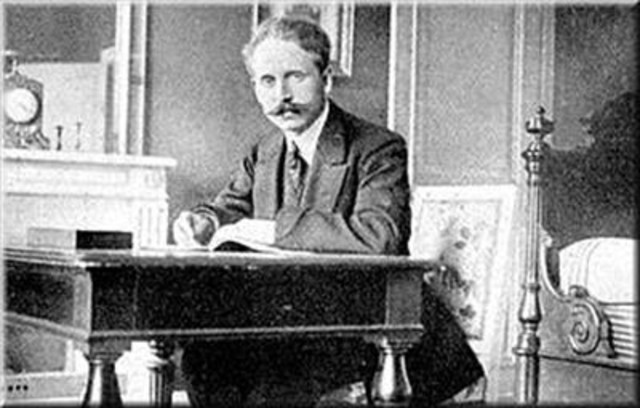
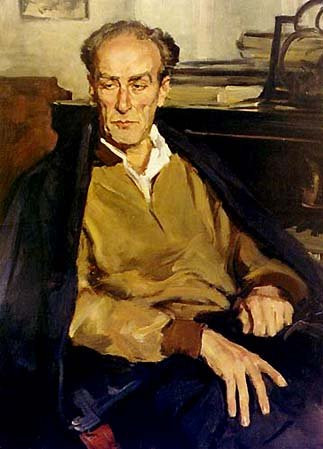
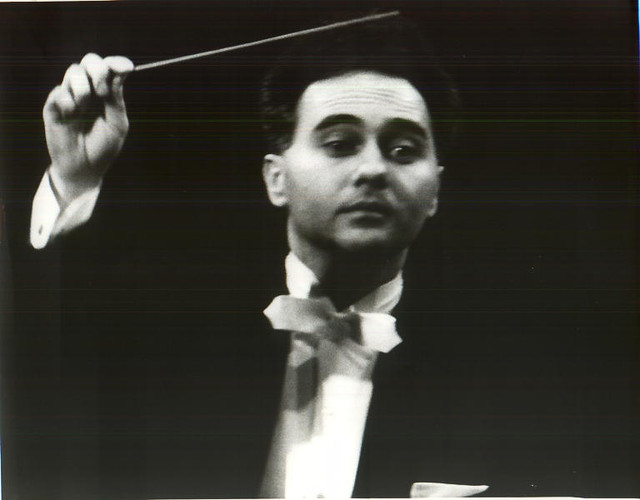
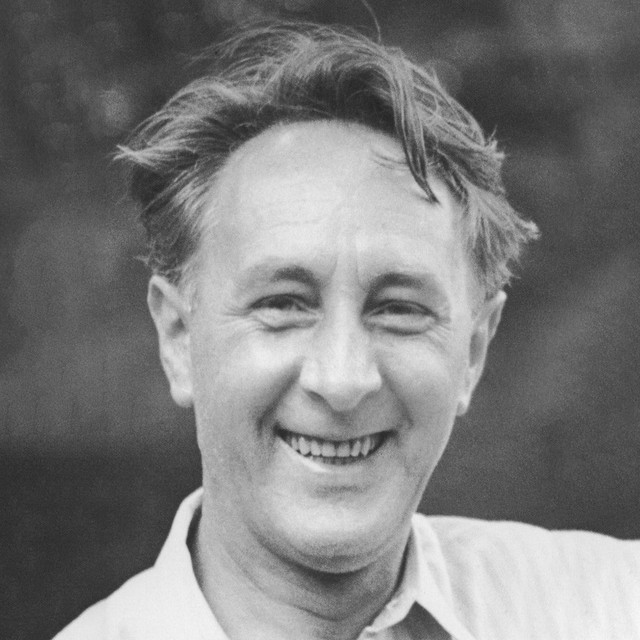
Martinon's first instrument was the violin; he studied at the Lyons Conservatory (1924-1925), then transferred to the Paris Conservatory, where he won first prize in violin upon his graduation in 1928. He subsequently studied composition, with <a href="spotify:artist:0GJc9hwpZqTk1JEba6EUPA">Albert Roussel</a>, and conducting, with <a href="spotify:artist:2RKnompMfdeZsyis6Gs4ce">Charles Munch</a> and <a href="spotify:artist:3GccruQSyms9bZa8YtStag">Roger Desormière</a>. Until the outbreak of World War II, Martinon was primarily a composer. His early substantial works include a Symphoniette for piano, percussion, and strings (1935); Symphony No. 1 (1936); Concerto giocoso for violin and orchestra (1937); and a wind quintet (1938). At the start of the war he was drafted into the French army. Taken prisoner in 1940, he passed the next two years in a Nazi labor camp. There, he wrote Stalag IX (Musique d'exil), an orchestral piece incorporating elements of jazz; during his internment, he also composed several religious works, including Absolve, Domine for male chorus and orchestra, and Psalm 136 (Chant des captifs), the latter receiving a composition prize from the city of Paris in 1946.
Upon his release from the Nazi camp, Martinon became conductor of the Bordeaux Symphony Orchestra (from 1943 to 1945) and assistant conductor of the Paris Conservatory Orchestra (from 1944 to 1946), then associate conductor of the <a href="spotify:artist:3PfJE6ebCbCHeuqO4BfNeA">London Philharmonic</a> (from 1947 to 1949). He toured as a guest conductor as well, although his U.S. debut did not come until 1957, with the <a href="spotify:artist:0K23lQ2hSQAlxSEeZ05bjI">Boston Symphony</a> giving the American premiere of his Symphony No. 2. Although he devoted as much time as he could to composing in the early postwar years -- producing a string quartet (1946), an "Irish" Symphony (1948), the ballet Ambohimanga (1946), and the opera Hécube (1949-1954) -- he was increasingly occupied with conducting, working with the Concerts Lamoureux (from 1951 to 1957), the Israel Philharmonic (from 1957 to 1959), and Düsseldorf Symphony Orchestra (from 1960 to 1966). In 1963, he succeeded <a href="spotify:artist:4nsMLwMcViXAqwTLJ71y8i">Fritz Reiner</a> as head of the Chicago Symphony. Martinon's tenure there was difficult. In five seasons, he conducted 60 works by modern European and American composers, and made a number of outstanding LPs for RCA, mostly of bracing twentieth century repertory in audiophile sound. Chicago's conservative music lovers soon sent him packing.
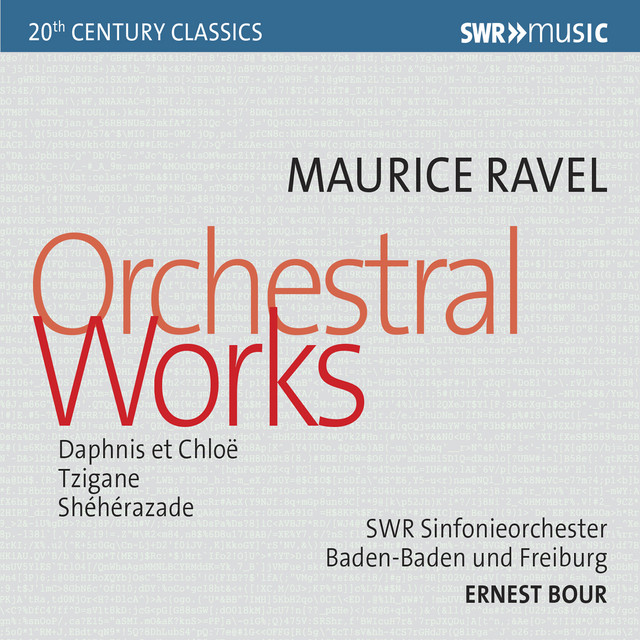
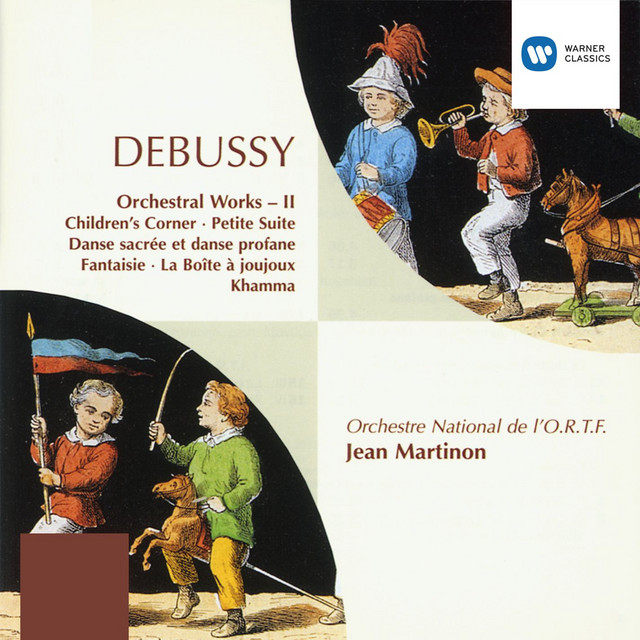
Martinon jumped at the chance to take over the French National Radio Orchestra in 1968; working with this ensemble, he recorded almost the entire standard French repertory for Erato and EMI. His earlier Erato efforts that focused on such secondary but nevertheless interesting figures as Roussel, Pierné, and <a href="spotify:artist:3KpcdlqCaWWruPfmM2rWy1">Dukas</a>, whereas EMI assigned him integral sets of the <a href="spotify:artist:436sYg6CZhNefQJogaXeK0">Saint-Saëns</a> symphonies and the orchestral works of <a href="spotify:artist:1Uff91EOsvd99rtAupatMP">Debussy</a> and <a href="spotify:artist:17hR0sYHpx7VYTMRfFUOmY">Ravel</a>, among other projects. In 1974, he was appointed principal conductor of the Residentie Orkest in The Hague, but he died before that relationship could bear much fruit.
Martinon resumed his career as a composer around 1960, writing his Violin Concerto No. 2 (1960) for <a href="spotify:artist:1QoKB19XVwnNwlKDjyYYe8">Henryk Szeryng</a>, his Cello Concerto (1964) for <a href="spotify:artist:36MnOrp3WlHJ6CYc5HstxX">Pierre Fournier</a>, and his Symphony No. 4 ("Altitudes"), composed in 1965, for the 75th anniversary of the Chicago Symphony. He acknowledged <a href="spotify:artist:4kHtgiRnpmFIV5Tm4BIs8l">Prokofiev</a> and <a href="spotify:artist:5zyNXVd952fWOjkdGHCvPd">Bartók</a> as strong influences on his scores, which meld Expressionism with French Neoclassicism. Martinon continued composing into the 1970s, but he seldom recorded any of his own music, with the notable exceptions of the Second Symphony, "Hymne à la vie" (ORTF, for Barclay Inedits) and Fourth Symphony, "Altitudes" (Chicago SO, for RCA).
Monthly Listeners
14,363
Monthly Listeners History
Track the evolution of monthly listeners over the last 28 days.
Followers
2,496
Followers History
Track the evolution of followers over the last 28 days.
Total Streams
20.1 million
Total Streams History
Track the evolution of total streams over the last 28 days. This data is calculated from all tracks listed in the artist's discography.








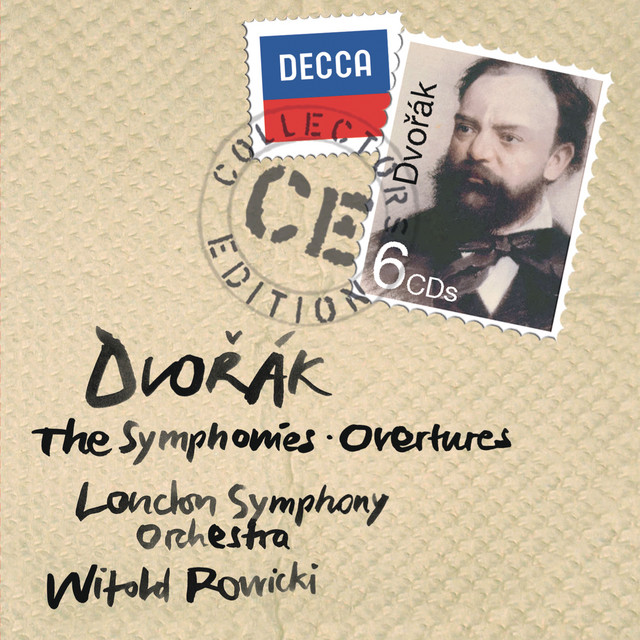
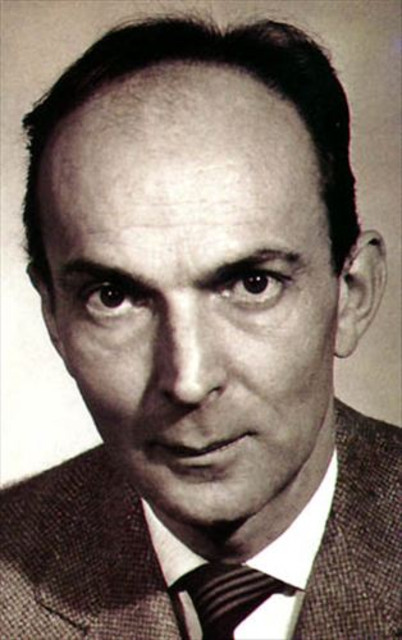















![Martinon Conducts Berlioz (Live) [Remastered 2022]](https://i.scdn.co/image/ab67616d00001e025e6364a1183ced35a9612002)
![Martinon Conducts Mahler (Live) [Remastered 2022]](https://i.scdn.co/image/ab67616d00001e0224b68690c6a8e669e15923bb)
![Martinon Conducts Prokofiev & Varèse (Live) [Remastered 2022]](https://i.scdn.co/image/ab67616d00001e02f97e7a8b37cfe9093b1cfba7)

![Bruch: Kol Nidrei (Adagio for Cello and Orchestra), Op. 47 by Pierre Fournier [2024 Remastered, Studio 1961]](https://i.scdn.co/image/ab67616d00001e02f01855a9369abcaee0c47bda)


