Data may be outdated
Last updated: 9 months ago — Click refresh to get the latest statistics.
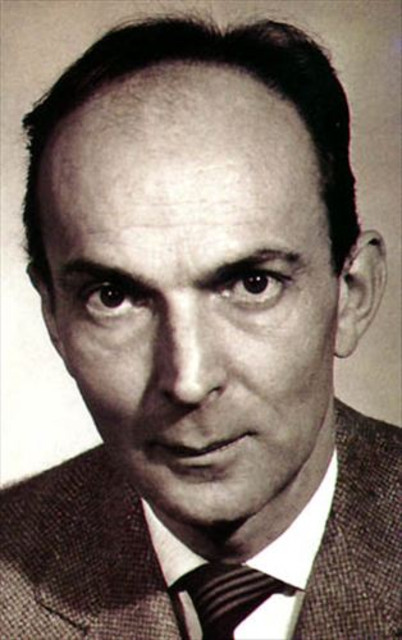
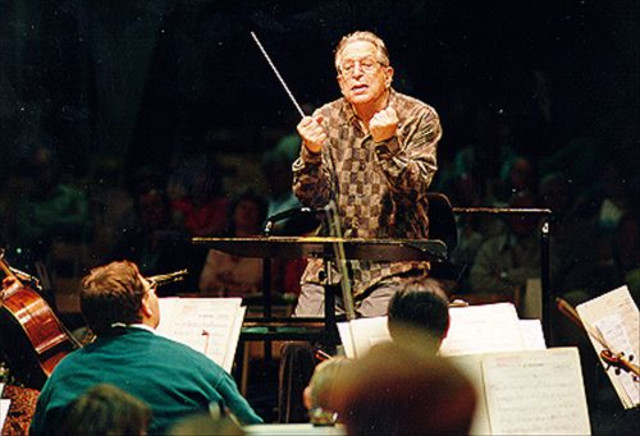
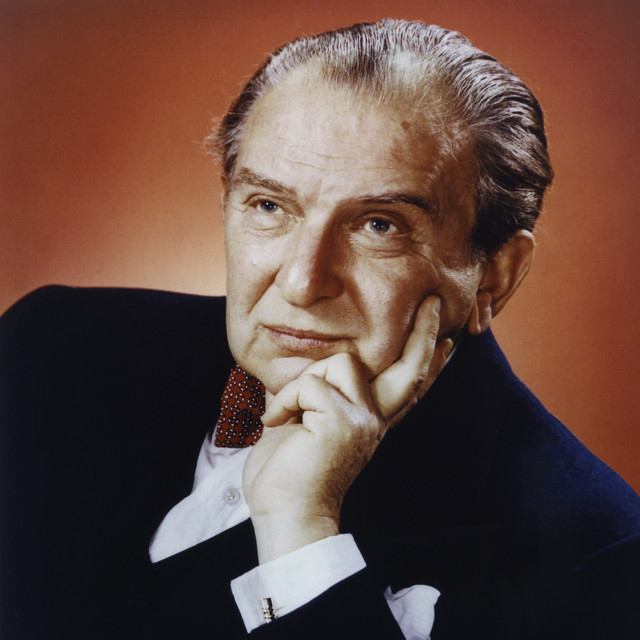
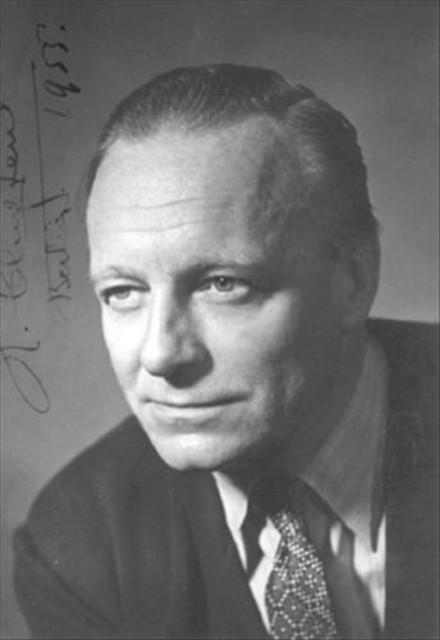
In January 2002, it was announced that conductor Kurt Sanderling had decided to do something few conductors ever chose to do: he was going to retire. In the year he would turn 90, Sanderling was still a vital and probing maestro, but his decision would afford him time to explore his other protean interests. He had accomplished much, participating in the musical life of both East and West during the period of the Cold War, collaborating with many excellent orchestras that had relished his comprehensive knowledge and far-reaching musicianship and he enjoyed the respect of famous soloists. Born in a part of East Prussia that later became Polish territory, Sanderling studied in Königsberg and Berlin before being appointed an assistant conductor at Berlin's Städtische Oper in 1931; he worked there for two years before leaving to join the Berlin Jewish Cultural Federation. The rise of National Socialism forced Sanderling to flee eastward in 1936. Settling in Moscow, he became conductor of the Moscow Radio Symphony Orchestra, assistant to Georges Sebastian. From 1939 to 1942, Sanderling was conductor of the Kharkov Philharmonic Orchestra. A successful guest appearance in Leningrad led to his appointment as permanent conductor of the Leningrad Philharmonic, sharing leadership of the orchestra with <a href="spotify:artist:4zTLWXKKwDRzs2AOMkwll3">Yevgeny Mravinsky</a>. Following the end of WWII, Sanderling also taught at the Leningrad Conservatory. In 1960, Sanderling returned to Berlin to become chief conductor of the East Berlin Symphony Orchestra, a post he kept until 1977. For three years, beginning in 1964, he also served as conductor of the <a href="spotify:artist:3Vfvyx6OouTxYU3emXonW7">Dresden Staatskapelle</a>. Even before the end of his tenure with the E.B.S.O., Sanderling had begun to make guest appearances abroad, winning new admirers among orchestra members, audiences, and critics. He became active at several music festivals, among them Salzburg, Vienna, Edinburgh, and Prague. Mutual admiration grew from his first appearances with Britain's Philharmonia: he was made an honorary member in 1996 and later became the orchestra's conductor emeritus. Beginning in 1979, he forged a relationship with Tokyo's Nippon Symphony Orchestra. During his Russian years, Sanderling came to know <a href="spotify:artist:6s1pCNXcbdtQJlsnM1hRIA">Dmitry Shostakovich</a> well. His interpretation of the Symphony No. 15 ("a horrific work about loneliness and death," in Sanderling's words) is exemplary. The conductor's <a href="spotify:artist:5wTAi7QkpP6kp8a54lmTOq">Brahms</a>' symphonies are likewise among the finest ever recorded.
Monthly Listeners
15,829
Monthly Listeners History
Track the evolution of monthly listeners over the last 28 days.
Followers
2,361
Followers History
Track the evolution of followers over the last 28 days.
Top Cities


Related Artists




Paavo Berglund


Horst Stein

Lawrence Foster





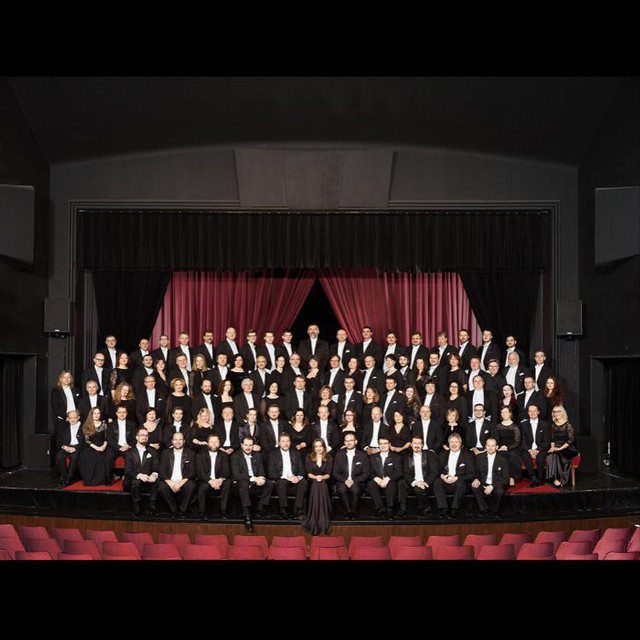
Janáček Philharmonic Orchestra