Data may be outdated
Last updated: 7 months ago — Click refresh to get the latest statistics.
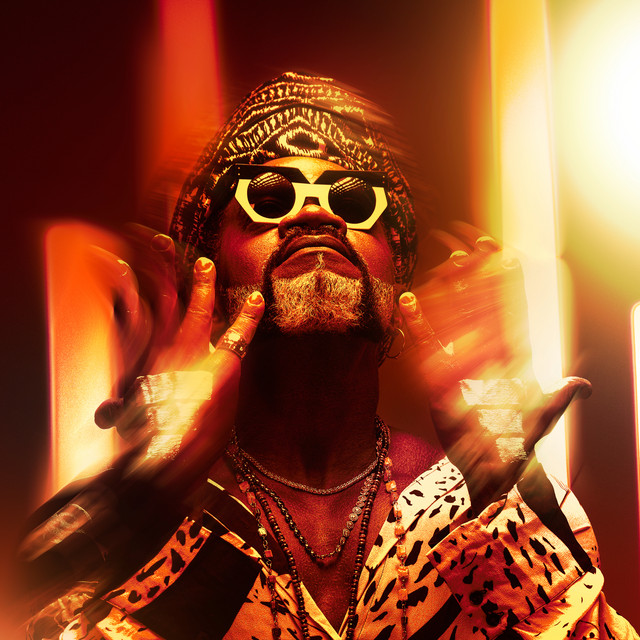
Privileged percussionist Carlinhos Brown also found his way as a composer and vocalist, displaying all his musical virtues in several albums which were released after 1996's Alfagamabetizado. He has had over 200 of his songs recorded by many interpreters like <a href="spotify:artist:0rSTXALHu0EKAawPLBdODH">Marisa Monte</a> ("Segue o Seco," "Maria de Verdade," "Arrepio," "Magamalabares"), <a href="spotify:artist:1b8kpp4DUwt1hWaxTiWQhD">Gal Costa</a>, <a href="spotify:artist:2krrkKvM52JgvfGu2Uewbg">Daniela Mercury</a> ("Rapunzel," "Rimas Irmãs"), <a href="spotify:artist:10naVTwNjE50daQVrN0bXh">Cássia Eller</a>, Daúde ("Lavanda"), and <a href="spotify:artist:6JW8wliOEwaDZ231ZY7cf4">Sepultura</a>. More than 30 of them reached the Brazilian top parade. Sérgio Mendes's Brasileiro, which had five songs by Brown, was awarded with a Grammy. Brown also recorded with <a href="spotify:artist:2ZvrvbQNrHKwjT7qfGFFUW">Herbie Hancock</a>.
Carlinhos Brown's first and most important percussion mentor was Mestre Pintado do Bongô (Osvaldo Alves da Silva), with whom he learned to highly regard the rich tradition of Brazilian folklore (especially that of Bahia). In 1980, Brown, already one of the most-reputed percussionists in Bahia, worked in a small recording company in Salvador, where he polished his recording and production skills doing jingles. At the same time, he turned his perception towards a synthesis of Brazilian rhythms with international pop music, being among the first waves of world music. His first composition to hit the radios was "Visão Do Ciclope," recorded by Luís Caldas in 1984. In the next year, he was invited by <a href="spotify:artist:7HGNYPmbDrMkylWqeFCOIQ">Caetano Veloso</a> to join his band. Veloso recorded Brown's "Meia Lua Inteira" (Estrangeiro, 1989), which was later included in the soundtrack of the soap opera Tieta. In that period, Brown also worked with <a href="spotify:artist:7oEkUINVIj1Nr3Wnj8tzqr">Gilberto Gil</a> and <a href="spotify:artist:1b8kpp4DUwt1hWaxTiWQhD">Gal Costa</a> and participated in world tours by names like <a href="spotify:artist:77ZUbcdoU5KCPHNUl8bgQy">João Gilberto</a>, <a href="spotify:artist:5rrmaoBXZ7Jcs4Qb77j0YA">Djavan</a>, and João Bosco. In the '90s, he formed the Timbalada, a drum band with more than 120 instrumentalists and singers which recorded several albums and developed its own successful trajectory, which began in the Carnival of Bahia. The Timbalada was Brown's first project that he dedicated to promoting social actions directed to young poor boys and girls from Salvador; among its goals, the project aimed to provide education for street children. ~ Alvaro Neder, Rovi
Carlinhos Brown's first and most important percussion mentor was Mestre Pintado do Bongô (Osvaldo Alves da Silva), with whom he learned to highly regard the rich tradition of Brazilian folklore (especially that of Bahia). In 1980, Brown, already one of the most-reputed percussionists in Bahia, worked in a small recording company in Salvador, where he polished his recording and production skills doing jingles. At the same time, he turned his perception towards a synthesis of Brazilian rhythms with international pop music, being among the first waves of world music. His first composition to hit the radios was "Visão Do Ciclope," recorded by Luís Caldas in 1984. In the next year, he was invited by <a href="spotify:artist:7HGNYPmbDrMkylWqeFCOIQ">Caetano Veloso</a> to join his band. Veloso recorded Brown's "Meia Lua Inteira" (Estrangeiro, 1989), which was later included in the soundtrack of the soap opera Tieta. In that period, Brown also worked with <a href="spotify:artist:7oEkUINVIj1Nr3Wnj8tzqr">Gilberto Gil</a> and <a href="spotify:artist:1b8kpp4DUwt1hWaxTiWQhD">Gal Costa</a> and participated in world tours by names like <a href="spotify:artist:77ZUbcdoU5KCPHNUl8bgQy">João Gilberto</a>, <a href="spotify:artist:5rrmaoBXZ7Jcs4Qb77j0YA">Djavan</a>, and João Bosco. In the '90s, he formed the Timbalada, a drum band with more than 120 instrumentalists and singers which recorded several albums and developed its own successful trajectory, which began in the Carnival of Bahia. The Timbalada was Brown's first project that he dedicated to promoting social actions directed to young poor boys and girls from Salvador; among its goals, the project aimed to provide education for street children. ~ Alvaro Neder, Rovi
Monthly Listeners
957,488
Monthly Listeners History
Track the evolution of monthly listeners over the last 28 days.
Followers
172,899
Followers History
Track the evolution of followers over the last 28 days.
Top Cities
94,040 listeners

43,585 listeners
43,060 listeners
30,427 listeners
21,090 listeners
Related Artists



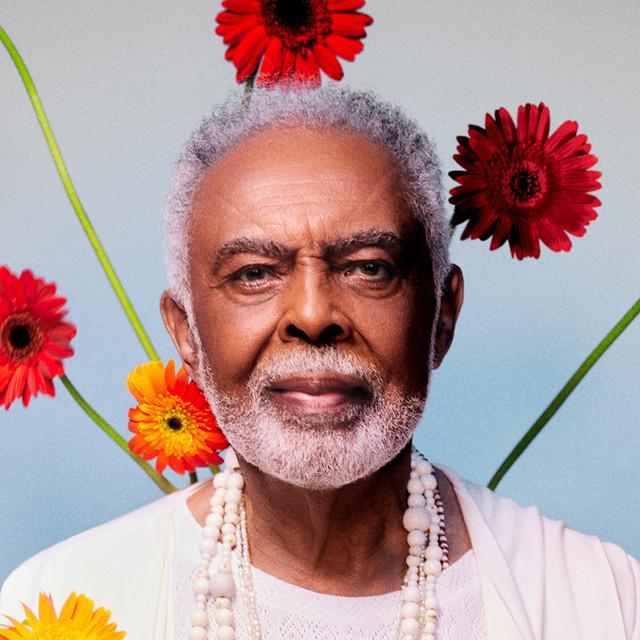
Gilberto Gil




Gonzaguinha

Sandra De Sá



Filhos De Jorge