Data may be outdated
Last updated: 9 months ago — Click refresh to get the latest statistics.
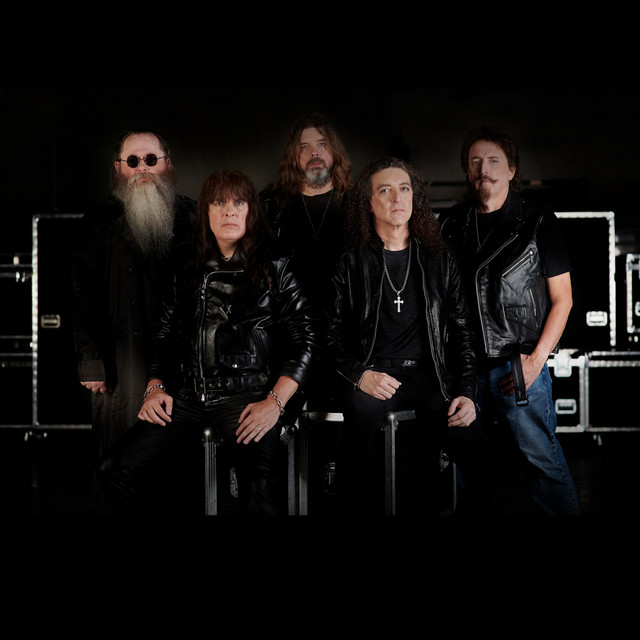
England's Cloven Hoof combine blazing riffs, potent melodies, and power metal pageantry to deliver larger-than-life hard rock tales rooted in the occult, sci-fi, and fantasy. Riding the sonic coattails of bands like <a href="spotify:artist:71vVmHeNgCVSa5SVmfvscU">Saxon</a>, <a href="spotify:artist:3z3KnhKZObj216IgfHYGVf">Diamond Head</a>, and <a href="spotify:artist:2tRsMl4eGxwoNabM08Dm4I">Judas Priest</a>, the group's innate musicality and dynamic stage presence (members initially adopted pseudonyms based on the four elements, Water, Fire, Air, and Earth) helped make them leading lights of the second generation of the New Wave of British Heavy Metal. Cloven Hoof issued a trio of acclaimed efforts, including their eponymous 1984 debut, before calling it quits in 1990. Re-forming in the 2000s with a re-tooled lineup -- founding bassist Lee Payne is the sole constant member -- the group has continued to wave the NWOBHM torch, maintaining a loyal fan base via theatrical live shows and a rich discography that includes assured studio albums like Eye of the Sun (2006), Resist or Serve (2014), and Heathen Cross (2024).
Originating in the English Midlands, singer David Potter, guitarist Steve Rounds, bassist Lee Payne, and drummer Kevin Pountney began working together in 1979 when they billed themselves as Nightstalker. Their development over the ensuing two years was both slow and inconspicuous. Still, word of the group's increasingly theatrical performances eventually started spreading after they changed their name to the more distinctive Cloven Hoof. Even more unique was the quartet's decision to adopt stage names based on the four states of matter -- water (Potter), fire (Rounds), air (Payne), and earth (Pountney). Cloven Hoof had become impossible to ignore, and they soon pooled their efforts into recording a very professional four-track EP, this being 1982's well-received The Opening Ritual (later a popular item with NWOBHM collectors). Impressed, the all-important U.K. metal rag Kerrang! was moved to support the band's cause, and a steady battery of local club gigs eventually landed them a 1983 session on the popular Friday Rock Show. The following year finally saw Cloven Hoof get a much-anticipated recording contract courtesy of <a href="spotify:search:label%3A%22Neat+Records%22">Neat Records</a>, and the band wasted little time cutting their eponymous debut -- an excellent representation of their strongest material from the previous four years. Strangely, though, European fans gave the LP a warmer reception than those in the U.K., so Cloven Hoof duly toured the continent before returning home and announcing their plans to begin work on a follow-up LP with the addition of second guitarist Mick Grafton. However, vocalist David Potter threw a monkey wrench into these plans when he suddenly quit to join French rockers H-Bomb. Understandably stunned, Cloven Hoof went to ground for much of 1985, first hiring and then firing Derek Hodd (along with Grafton) before securing the services of the more experienced Rob Kendrick (ex-<a href="spotify:artist:42RbQv212uOjyfIXECLKfR">Budgie</a> and <a href="spotify:artist:7b2jbuy6iMUbuvWrvoxnJW">Trapeze</a>). When it finally emerged on Moondancer Records in 1986, the band's live sophomore effort, Fighting Back, couldn't disguise the profound confusion that had settled into the group's ranks. Only bassist Lee Payne remained from the original lineup at this point. After finding a new crew of willing musicians in vocalist Russ North, guitarist Andrew Wood (both ex-Tredegar), and drummer Jon Brown, 1988's semi-return to basics Dominator and 1989's A Sultan's Ransom were recorded in short order.
Cloven Hoof officially ceased operations in 1990, mainly due to contractual difficulties, which Lee Payne eventually diffused. A new lineup was assembled, with Payne joined by Matt Moreton on vocals, Andy Shortland on guitars, and Lynch Radinsky on drums. The result was the 2006 studio LP Eye of the Sun. More personnel changes followed, with original vocalist Russ North returning to the fold and the band hitting the festival circuit. The Definitive Part One, a collection of re-recorded songs, appeared in 2008, but by 2011, Payne was again forced to rebuild. 2014's Resist or Serve saw the band deliver a more modern take on their classic sound, while subsequent efforts like Who Mourns for the Morning Star? (2017), Time Assassin (2020), and Heathen Cross (2024) marked a return to epic power metal -- the latter album served as the studio debut for new vocalist Harry "The Tyrant" Conklin. Former lead singer Russ North died from undisclosed causes on January 1, 2025. ~ Eduardo Rivadavia & James Christopher Monger, Rovi
Originating in the English Midlands, singer David Potter, guitarist Steve Rounds, bassist Lee Payne, and drummer Kevin Pountney began working together in 1979 when they billed themselves as Nightstalker. Their development over the ensuing two years was both slow and inconspicuous. Still, word of the group's increasingly theatrical performances eventually started spreading after they changed their name to the more distinctive Cloven Hoof. Even more unique was the quartet's decision to adopt stage names based on the four states of matter -- water (Potter), fire (Rounds), air (Payne), and earth (Pountney). Cloven Hoof had become impossible to ignore, and they soon pooled their efforts into recording a very professional four-track EP, this being 1982's well-received The Opening Ritual (later a popular item with NWOBHM collectors). Impressed, the all-important U.K. metal rag Kerrang! was moved to support the band's cause, and a steady battery of local club gigs eventually landed them a 1983 session on the popular Friday Rock Show. The following year finally saw Cloven Hoof get a much-anticipated recording contract courtesy of <a href="spotify:search:label%3A%22Neat+Records%22">Neat Records</a>, and the band wasted little time cutting their eponymous debut -- an excellent representation of their strongest material from the previous four years. Strangely, though, European fans gave the LP a warmer reception than those in the U.K., so Cloven Hoof duly toured the continent before returning home and announcing their plans to begin work on a follow-up LP with the addition of second guitarist Mick Grafton. However, vocalist David Potter threw a monkey wrench into these plans when he suddenly quit to join French rockers H-Bomb. Understandably stunned, Cloven Hoof went to ground for much of 1985, first hiring and then firing Derek Hodd (along with Grafton) before securing the services of the more experienced Rob Kendrick (ex-<a href="spotify:artist:42RbQv212uOjyfIXECLKfR">Budgie</a> and <a href="spotify:artist:7b2jbuy6iMUbuvWrvoxnJW">Trapeze</a>). When it finally emerged on Moondancer Records in 1986, the band's live sophomore effort, Fighting Back, couldn't disguise the profound confusion that had settled into the group's ranks. Only bassist Lee Payne remained from the original lineup at this point. After finding a new crew of willing musicians in vocalist Russ North, guitarist Andrew Wood (both ex-Tredegar), and drummer Jon Brown, 1988's semi-return to basics Dominator and 1989's A Sultan's Ransom were recorded in short order.
Cloven Hoof officially ceased operations in 1990, mainly due to contractual difficulties, which Lee Payne eventually diffused. A new lineup was assembled, with Payne joined by Matt Moreton on vocals, Andy Shortland on guitars, and Lynch Radinsky on drums. The result was the 2006 studio LP Eye of the Sun. More personnel changes followed, with original vocalist Russ North returning to the fold and the band hitting the festival circuit. The Definitive Part One, a collection of re-recorded songs, appeared in 2008, but by 2011, Payne was again forced to rebuild. 2014's Resist or Serve saw the band deliver a more modern take on their classic sound, while subsequent efforts like Who Mourns for the Morning Star? (2017), Time Assassin (2020), and Heathen Cross (2024) marked a return to epic power metal -- the latter album served as the studio debut for new vocalist Harry "The Tyrant" Conklin. Former lead singer Russ North died from undisclosed causes on January 1, 2025. ~ Eduardo Rivadavia & James Christopher Monger, Rovi
Monthly Listeners
9,128
Monthly Listeners History
Track the evolution of monthly listeners over the last 28 days.
Followers
25,847
Followers History
Track the evolution of followers over the last 28 days.
Top Cities
169 listeners

163 listeners

150 listeners

148 listeners

146 listeners

Related Artists

Midnight Priest
Warlord
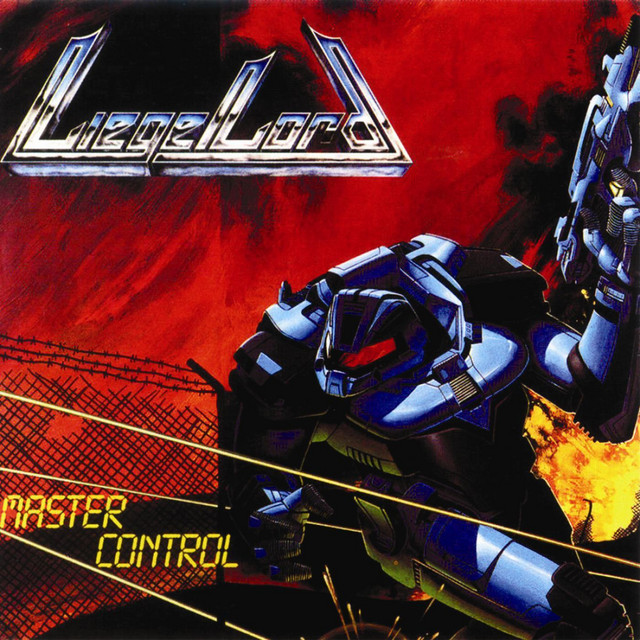
Liege Lord
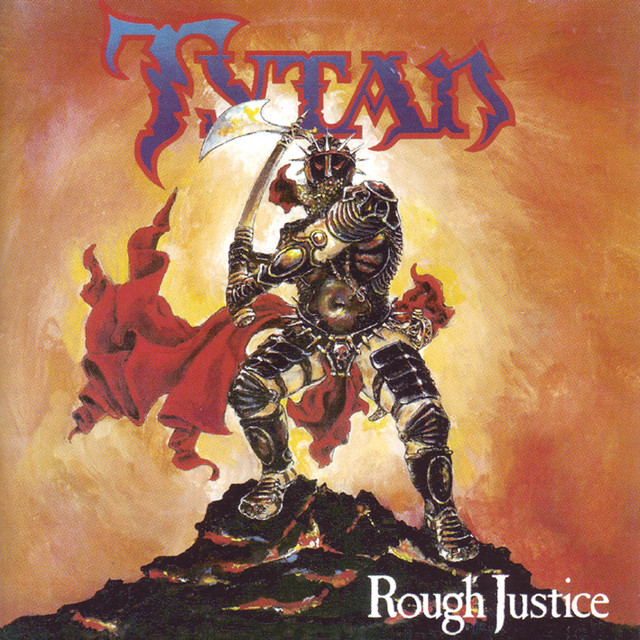
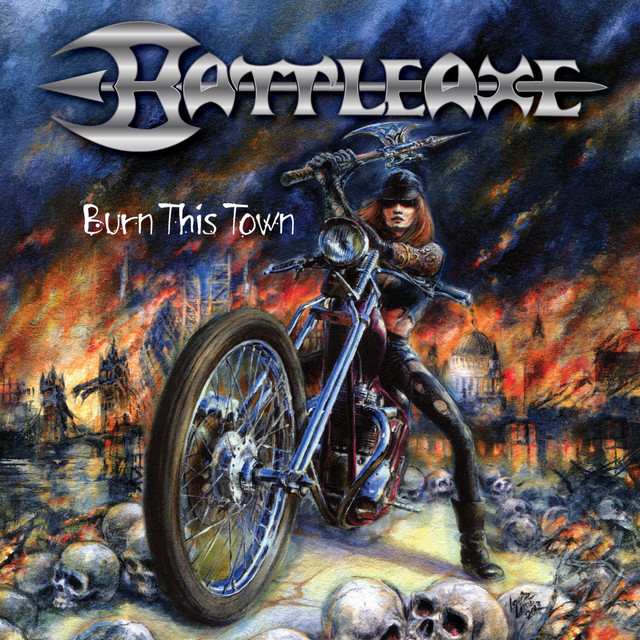
Battleaxe


Savage

Scanner


Alien Force
Leather

Metal Inquisitor

Universe
Crossfire

Messiah Force

Chateaux